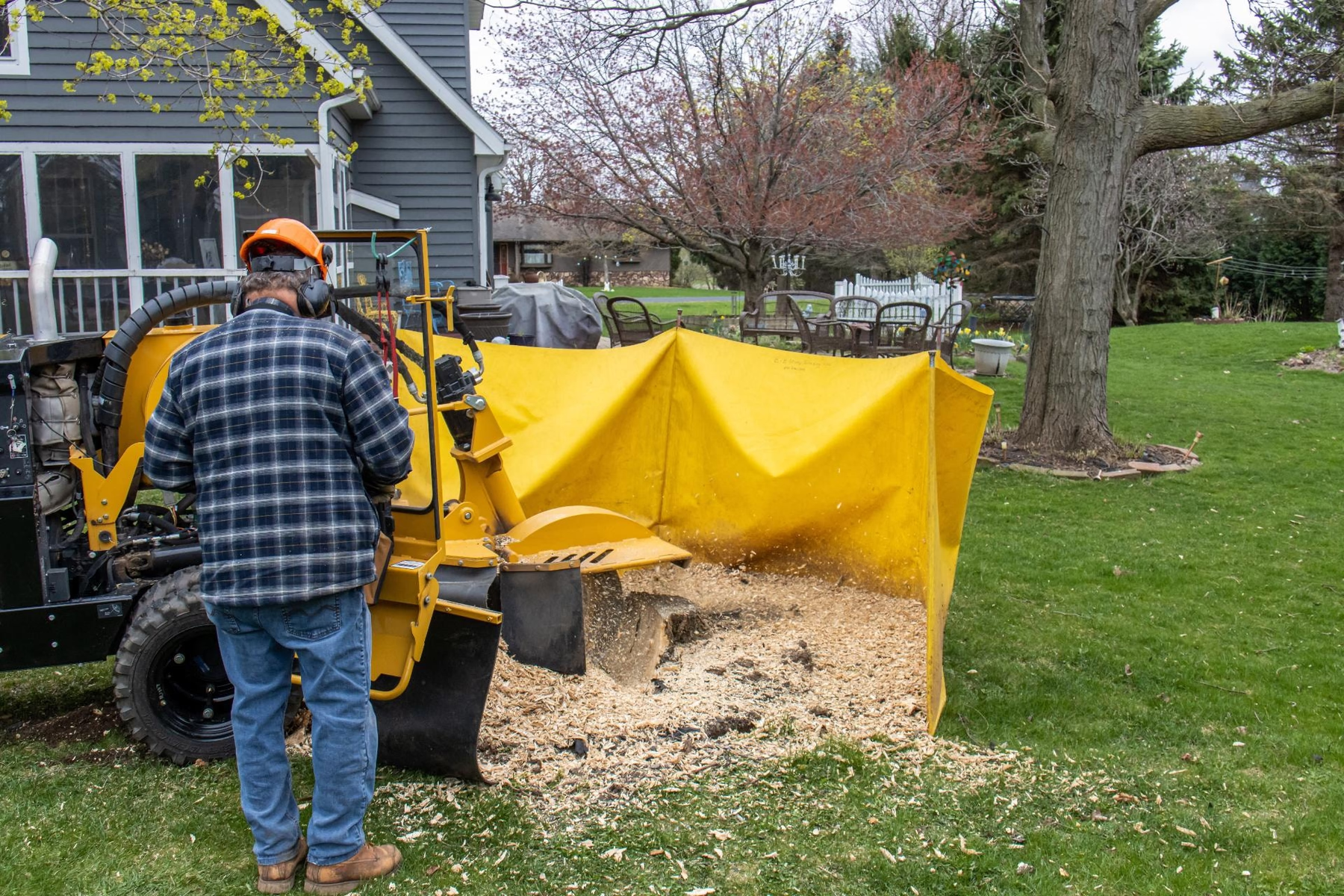
Can you plant a tree where a stump was? Usually yes, but the old site comes with leftovers that make it harder than planting in fresh ground. This post covers why, how far over to move, when to plant, how to prepare Sacramento clay soil, and how to choose and care for a tree that fits better than the last one.
Key Points
- Old roots, buried wood chips and ongoing settling make the exact stump spot a poor home for a new tree.
- Moving the new tree a few feet into undisturbed soil solves most of those problems, and farther is better after a large tree.
- If the old tree died of a root disease, plant well away from the old root zone or choose a resistant species.
- Plant with the root flare at or slightly above grade, backfill with native soil, and water deeply through the first few summers.
- Pick a tree whose mature size and habits suit the spot, so you don't repeat the problem that led to the removal.
Why the Exact Same Spot Is Tricky
- Old roots: Grinding removes the stump and the roots closest to it, but thick roots remain below and around the hole. They block new roots and make it hard to dig a proper planting hole.
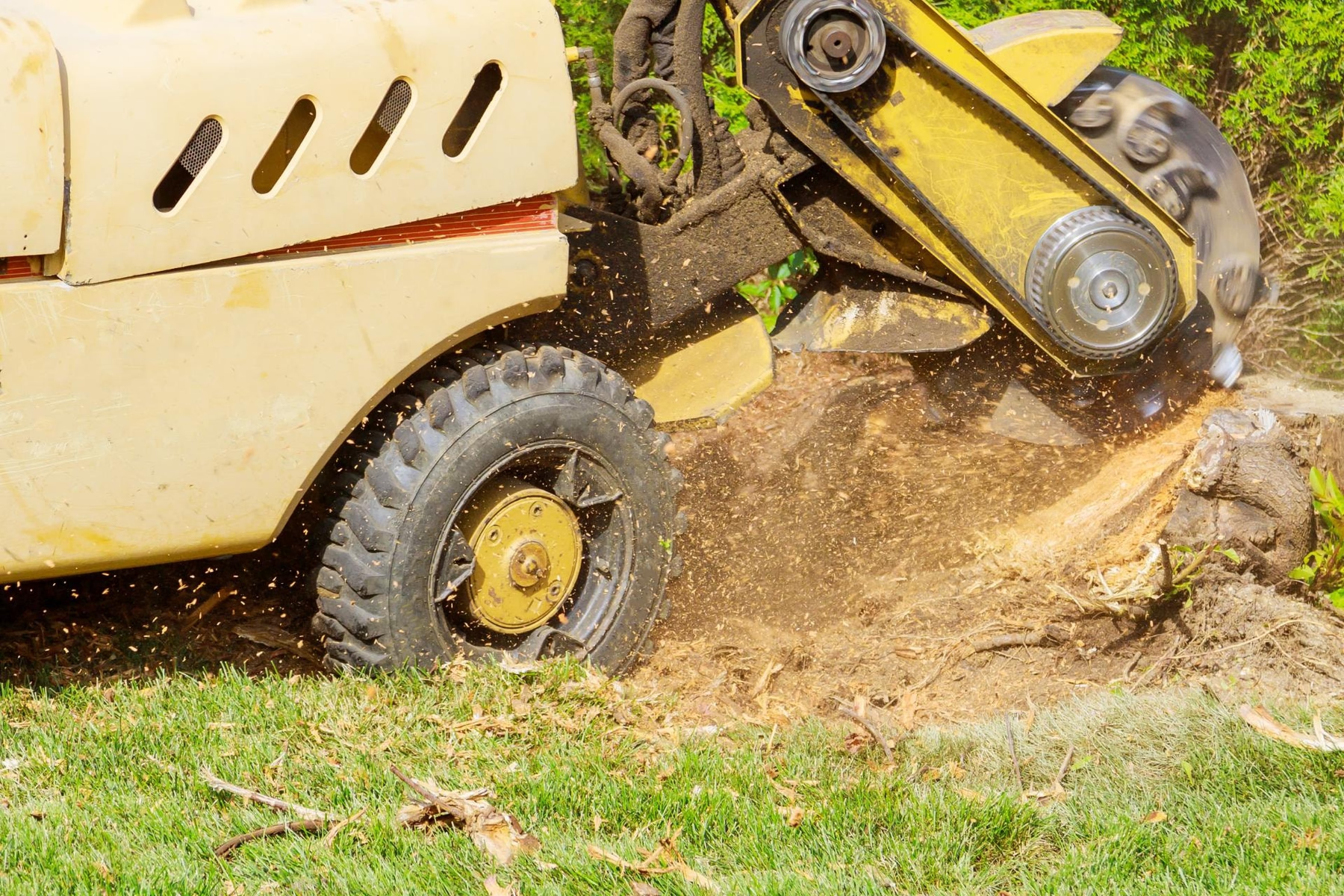
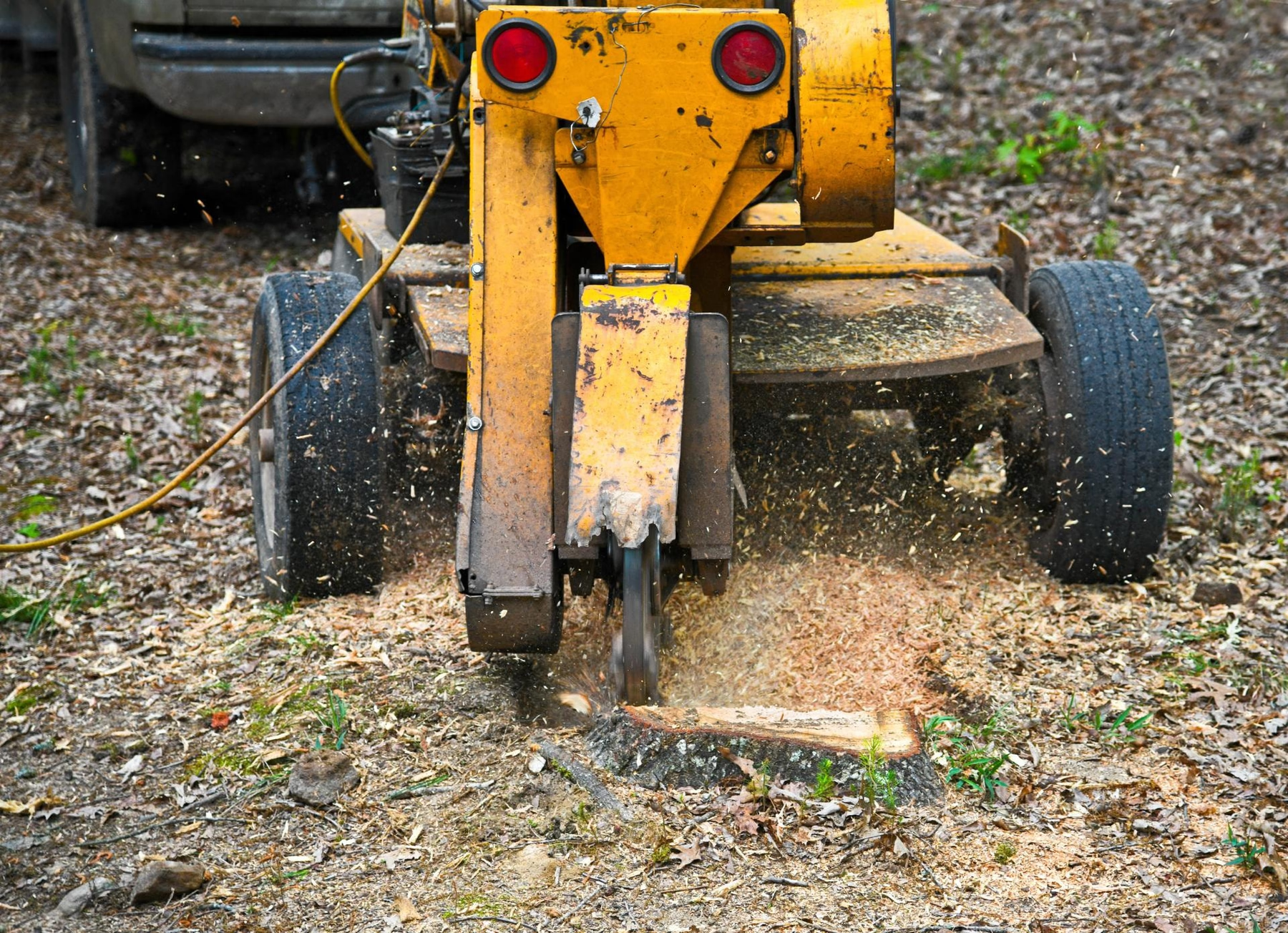
- Wood chips: The hole is usually full of grindings. As they decay they pull nitrogen from the soil and keep sinking, which can leave a new tree planted too deep.
- Disease: If the old tree died from a root rot such as oak root fungus, the fungus can survive in the remaining roots and infect a susceptible replacement.
- Settling: The whole area keeps dropping as buried wood rots, which throws off the planting depth over the first few years.
Planting too deep is one of the most common reasons young trees decline, and a stump hole makes it easy to do by accident. A tree that looked right on planting day can end up with soil piled against its trunk a couple of years later as the ground beneath it sinks. Our post on how deep stump grinding goes and what happens to the roots explains what stays underground.
How Far Over to Plant
The simplest fix is to move the new tree away from the old stump. Shifting a few feet to one side gets the root ball out of the grindings and into undisturbed soil, and farther is better when the old tree was large, since its biggest roots spread well beyond the trunk.
Use the move as a chance to rethink placement. Look up at where the old canopy reached and ask whether the new tree will have room to grow without crowding the house, the roof, the neighbor's yard or overhead lines. A spot a little farther from the house often gives a better result for decades.
Think about shade and sun, too. If the old tree shaded the west side of the house through summer afternoons, you may want the new tree in a similar position so it eventually does the same job. If the old tree made the yard too dark for a lawn or garden, a smaller tree or a spot off to the side can give you both. Deciduous trees on the south and west let winter sun through after their leaves drop.
If the Old Tree Had Root Disease
If the old tree died of oak root fungus or another root rot, plant well away from the old root zone. Remove as much of the old root material as is practical, avoid heavy summer watering near any oaks that remain, and ask for a species with a reputation for resisting the disease. When in doubt, have the site looked at before you buy the tree.
When the Exact Spot Matters
If the exact spot really matters, for a formal row or to frame a view, dig out as much of the grindings and root material as you can, replace it with native soil, and allow for extra settling. Asking for a deeper grind at the time of stump removal makes this much easier.
When to Replant After Stump Grinding
If you're planting in clean soil a few feet away, you can plant as soon as the grindings are cleaned up. There's no need to wait for the old roots to rot. If you're replanting in or right beside the old hole, clear out the chips and refill with soil first, then give it time to settle and top it off before planting.
Season matters more than the stump. In the Sacramento area, fall is generally the best time to plant most trees. The soil is still warm enough for roots to grow, and winter rain helps the tree settle in before its first hot summer. Late winter and early spring also work. Trees planted in midsummer can succeed, but they need close attention to watering through the heat.
Preparing the Soil and Planting Step by Step
Much of the Sacramento Valley has heavy clay that holds water and drains slowly. These steps give a new tree its best start:
- Check drainage first by filling the hole with water. If it's still standing the next day, pick a different spot, plant slightly high, or choose a tree that tolerates wet feet.
- Dig a hole two to three times as wide as the root ball but no deeper than the root ball is tall, so the tree rests on firm, undisturbed soil.
- Remove the container and gently loosen or cut any roots circling the outside of the root ball.
- Set the root flare, where the trunk widens into roots, at or slightly above the surrounding grade.
- Backfill mostly with the soil you dug out. Heavily amended soil in a clay hole can act like a bathtub and hold water around the roots.
- Water slowly to settle the soil, and build a low ring of soil around the edge of the root ball to hold irrigation water.
- Mulch a wide ring a few inches deep, and keep it pulled back from the trunk.
Choosing a Better-Fitting Tree
A removal is a chance to fix whatever made the last tree a problem. If it outgrew its space, dropped limbs over the driveway or lifted the sidewalk, pick something whose mature size and root habit suit the spot. Think about:
- Mature height and spread compared to the space, not the size at the nursery.
- Overhead power lines, which call for a small tree beneath them.
- Summer heat and water needs once the tree is established.
- Fruit, seed pods and leaf litter near patios, pools and walkways.
- Distance from sidewalks, driveways and foundations for species with vigorous surface roots.
Chinese pistache is a popular Sacramento choice for heat tolerance and fall color, crape myrtle suits small spaces, and native oaks are a strong option where there's plenty of room to spread. Browse our tree guides for more local options. If you're deciding whether to replace a tree that's simply too big rather than one that's already gone, our post on reducing or replacing a tree that has outgrown your yard walks through that choice.
Caring for the New Tree in Its First Years
The first few years decide how well a new tree does. Water deeply and less often rather than a little every day, so roots grow down and out instead of staying near the surface. Through Sacramento's dry summers, a young tree needs regular deep watering even if the lawn around it is on sprinklers, because lawn watering rarely reaches deep enough.
Stake only if the tree can't stand on its own, tie it loosely so the trunk can move a little, and remove stakes and ties once the roots have anchored it, usually after the first year or so. Fertilizer is rarely needed at planting. Light structural pruning in the early years sets up a strong branch framework for later. Our guide to structural pruning for young trees covers how.
Our Plant-a-Tree Pledge
For every tree Environmental Tree Service removes, we plant a new one at no additional cost to you. That makes replanting part of the job instead of an afterthought. Talk with us about where the new tree should go and which species fits, and learn more on our tree planting page.
Get a Free Estimate
Planning a removal and a replacement? Call (916) 870-8154 for a free estimate or send us a message.