Service Areas(916) 870-8154
Environmental Tree Service
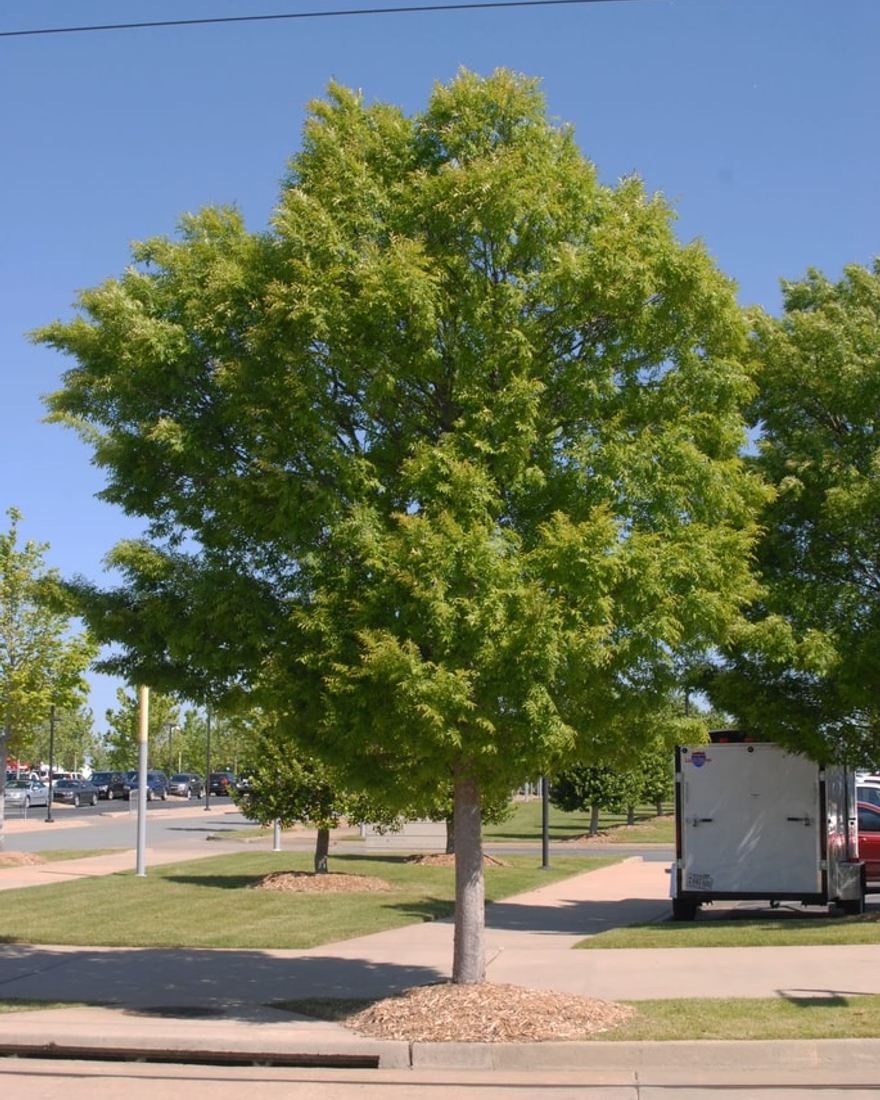
Broad, rounded zelkova tree on a green lawn
Tree Guide

Zelkova Planting and Care Guide

Zelkova is a deciduous tree prized for its attractive vase-shaped canopy and vibrant autumn foliage. Native to Asia, it thrives in temperate climates, offering shade and beauty in parks and urban landscapes. With its smooth, gray bark and serrated leaves, it adds a touch of elegance to any environment.

In the realm of landscape design, few trees exude the same timeless elegance and adaptability as the Zelkova. With its graceful, vase-shaped silhouette and vibrant foliage, the Zelkova stands as a symbol of resilience and beauty. Whether adorning urban avenues, parklands, or private gardens, these majestic trees captivate with their ornamental appeal and low-maintenance requirements. In this article, we delve into the art of planting and caring for Zelkova trees, offering insights to help enthusiasts cultivate these arboreal gems with success.

Planting

Selecting the Ideal Location: Choosing the right location is paramount when planting Zelkova trees. These trees thrive in full sun to partial shade and prefer well-drained soil with good moisture retention. Select a site that offers ample space for the tree’s mature size, as Zelkovas can reach heights of 50 to 80 feet with a spread of 40 to 60 feet.

Timing: The optimal time for planting Zelkova trees is during the dormant season in late fall or early spring. Planting during these periods allows the tree to establish its root system before the onset of harsh weather conditions.

Planting Procedure

  1. Begin by digging a hole that is two to three times wider than the tree’s root ball and equally deep.
  2. Gently remove the tree from its container or carefully loosen the roots if it is balled and burlapped.
  3. Place the tree in the center of the hole, ensuring that the top of the root ball is level with the surrounding soil.
  4. Backfill the hole with soil, firming it gently to eliminate air pockets.
  5. Water the tree thoroughly to settle the soil and encourage root growth.
  6. Apply a layer of mulch around the base of the tree, keeping it several inches away from the trunk to prevent moisture-related issues.

Care

Watering: Zelkova trees benefit from regular watering, especially during the first few years after planting. Water deeply, ensuring that the soil remains consistently moist but not waterlogged. Once established, Zelkovas are moderately drought-tolerant but still require supplemental irrigation during prolonged dry spells.

Fertilization: Fertilize Zelkova trees annually in early spring with a balanced, slow-release fertilizer to promote healthy growth and foliage development. Avoid excessive fertilization, as this can lead to rapid, weak growth and may increase susceptibility to pests and diseases.

Pruning: Pruning Zelkova trees is generally minimal and should be performed with care to preserve their natural shape and structure. Remove any dead, diseased, or crossing branches during the dormant season to maintain the tree’s health and aesthetics. Avoid heavy pruning, as Zelkovas have a strong apical dominance and may respond poorly to extensive cutting.

Pest and Disease Management: Zelkova trees are relatively resistant to pests and diseases, making them a low-maintenance option for landscapes. However, occasional issues such as aphids, scale insects, or fungal diseases may occur. Monitor the tree regularly for signs of infestation or disease, and treat any problems promptly with appropriate insecticides or fungicides as needed.

As a testament to nature’s artistry, the Zelkova tree enriches landscapes with its exquisite beauty and enduring charm. By following the planting and care guidelines outlined in this article, enthusiasts can cultivate and nurture these arboreal wonders with confidence. Whether gracing urban streetscapes, parklands, or private gardens, the Zelkova tree stands as a symbol of elegance and resilience, enriching the environment and inspiring admiration for generations to come.
Zelkova: Frequently Asked Questions

What is a Zelkova tree?

Zelkova is a genus of deciduous trees native to Asia and known for their graceful, vase-shaped growth habit and attractive foliage.

How tall do Zelkova trees typically grow?

Zelkova trees can reach heights of 50 to 80 feet, depending on the species and growing conditions.

What are the common species of Zelkova trees?

Common species include Zelkova serrata (Japanese Zelkova) and Zelkova carpinifolia (Caucasian Zelkova).

Are Zelkova trees deciduous or evergreen?

Zelkova trees are deciduous, meaning they lose their leaves seasonally.

What type of soil do Zelkova trees prefer?

Zelkova trees prefer well-drained soil with good moisture retention, but they can tolerate a wide range of soil types.

Are Zelkova trees drought-tolerant?

Once established, Zelkova trees exhibit good drought tolerance, though they prefer regular watering, especially during dry periods.

Do Zelkova trees produce flowers or fruit?

Yes, Zelkova trees produce small, inconspicuous flowers in spring, followed by small winged fruits that mature in the fall.

When is the best time to plant Zelkova trees?

The best time to plant Zelkova trees is in the fall or early spring when the tree is dormant.

How fast do Zelkova trees grow?

Zelkova trees are moderately fast-growing, typically adding about 1 to 2 feet of growth per year.

Do Zelkova trees require full sun?

Zelkova trees prefer full sun to partial shade but can tolerate some shade.

Are Zelkova trees prone to pests or diseases?

Zelkova trees are generally resistant to pests and diseases, although they may occasionally face issues such as leaf spot or root rot.

How do I prune a Zelkova tree?

Prune Zelkova trees in late winter or early spring to remove dead or diseased branches and to shape the tree as desired.

Are Zelkova trees suitable for urban planting?

Yes, Zelkova trees are commonly used as street trees and are tolerant of urban pollution.

Can I grow Zelkova trees in containers?

While possible when young, Zelkova trees are best suited for planting in the ground due to their eventual size.

Do Zelkova trees change color in the fall?

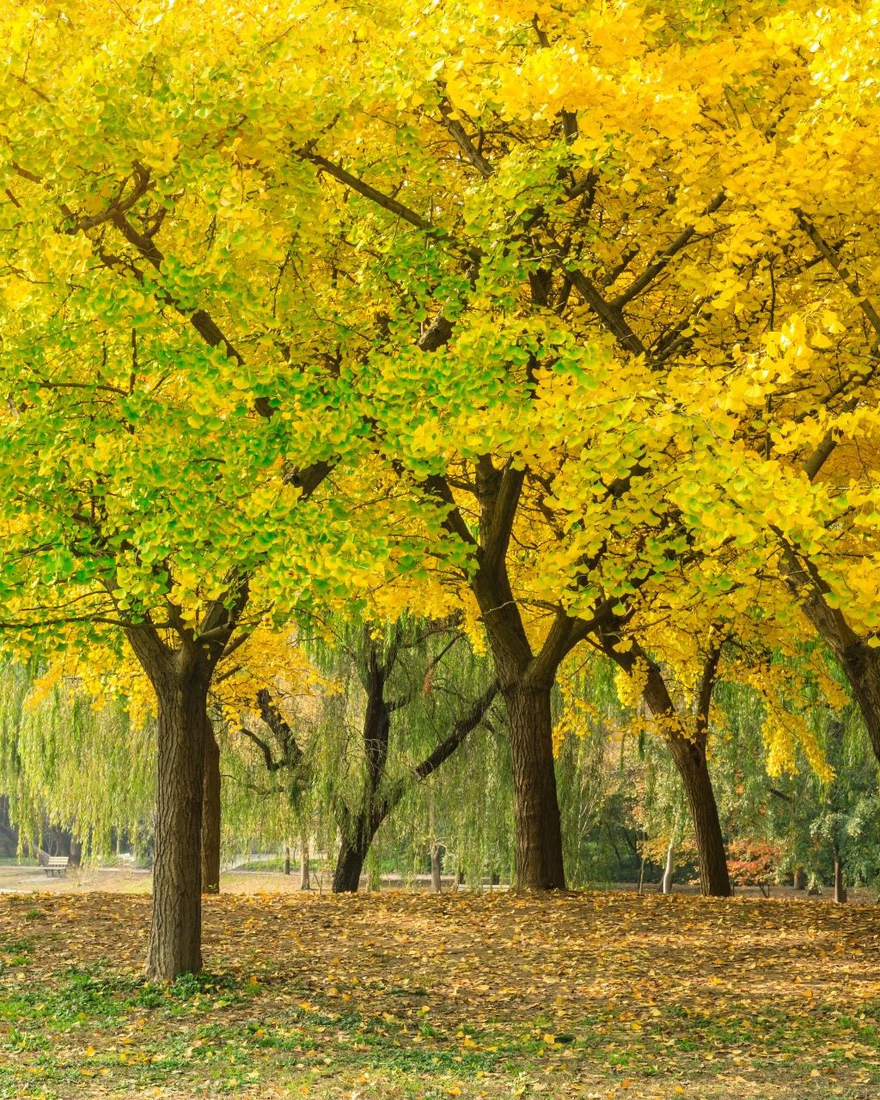
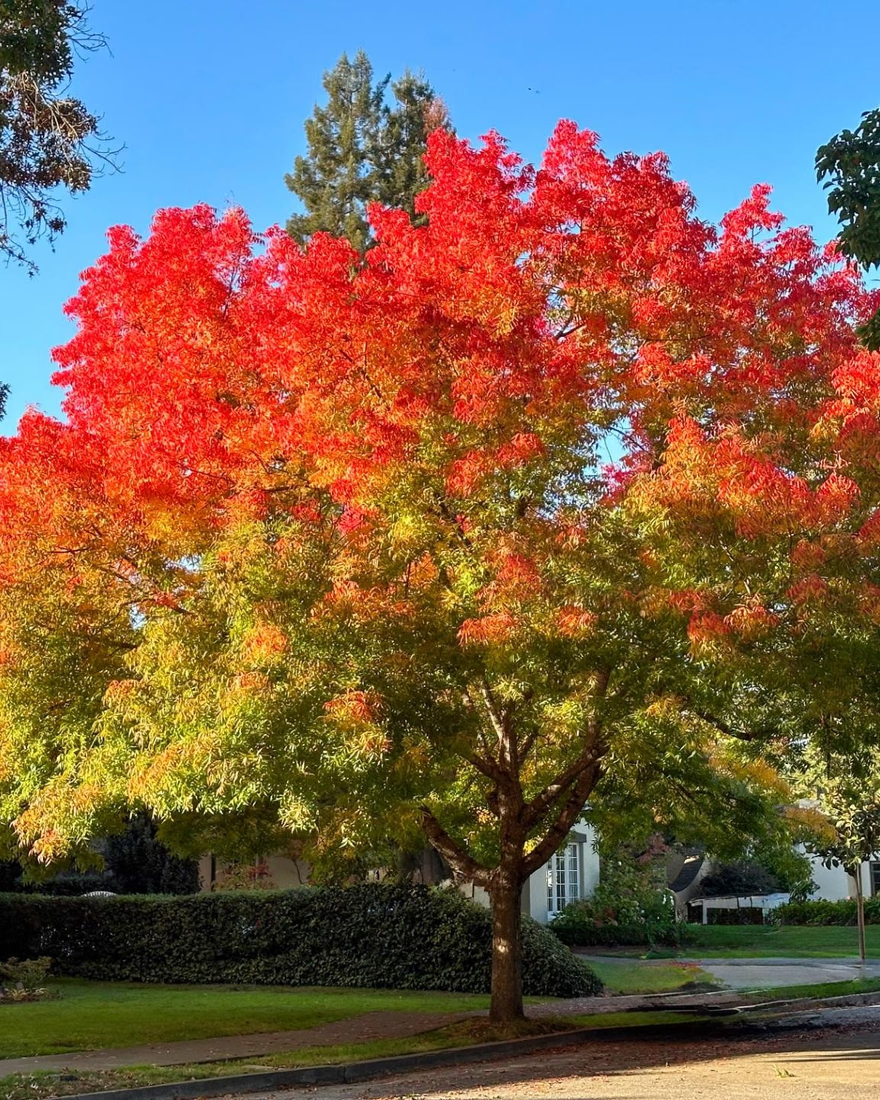
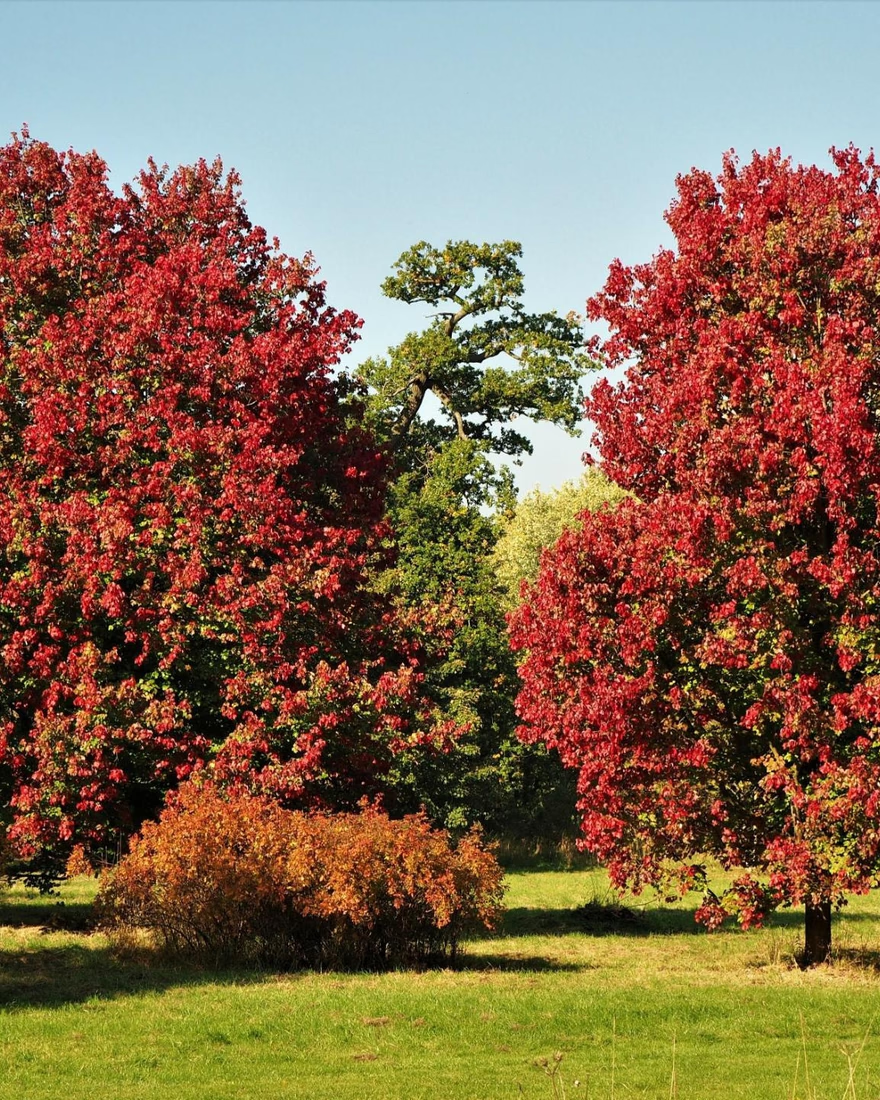
Yes, Zelkova trees are prized for their brilliant fall foliage, which often turns shades of yellow, orange, and red.

Are Zelkova trees resistant to wind and salt spray?

Yes, Zelkova trees are generally resistant to wind and salt spray, making them suitable for planting in coastal areas.

Can I grow grass under a Zelkova tree?

While Zelkova trees have shallow root systems, it's generally best to avoid planting grass directly underneath to minimize competition for water and nutrients.

How do I fertilize a Zelkova tree?

Fertilize Zelkova trees annually in early spring with a balanced fertilizer formulated for trees and shrubs.

Are Zelkova trees deer-resistant?

Zelkova trees are generally not preferred by deer, but they may still browse on them if other food sources are scarce.

Do Zelkova trees have invasive roots?

Zelkova trees have non-invasive root systems, making them suitable for planting near sidewalks, driveways, and other structures.

Trees

More Trees for Sacramento Landscapes

All trees
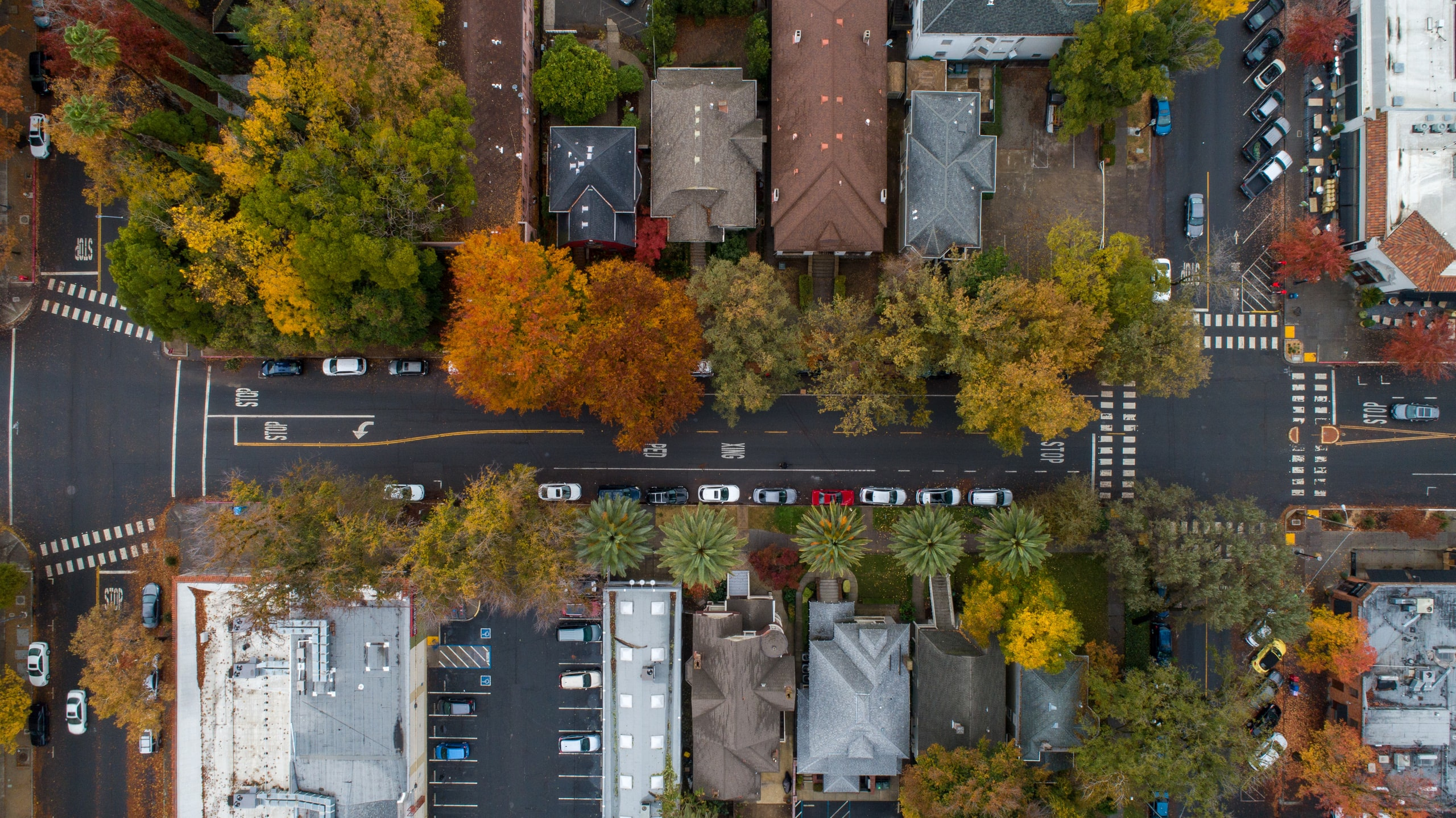
Aerial view of Sacramento neighborhoods under a canopy of fall trees

Planting, Pruning or Removing a Tree?

Call any time, or send a few details about your trees and we'll get back to you with a free, detailed estimate.

Available 24/7

Request a Free Estimate

Looking for reliable tree service in Sacramento? Contact Environmental Tree Service for tree removal, tree trimming, stump grinding and 24/7 emergency tree service. We'll respond promptly with a detailed estimate.

Environmental Tree Service
Call Us, Day or Night
(916) 870-8154
Address
9061 Elder Creek Rd
Sacramento, CA 95829
License
Licensed, bonded and insured. CA Lic. 937241

Request a Service

A few details about your trees help us give you an accurate estimate.