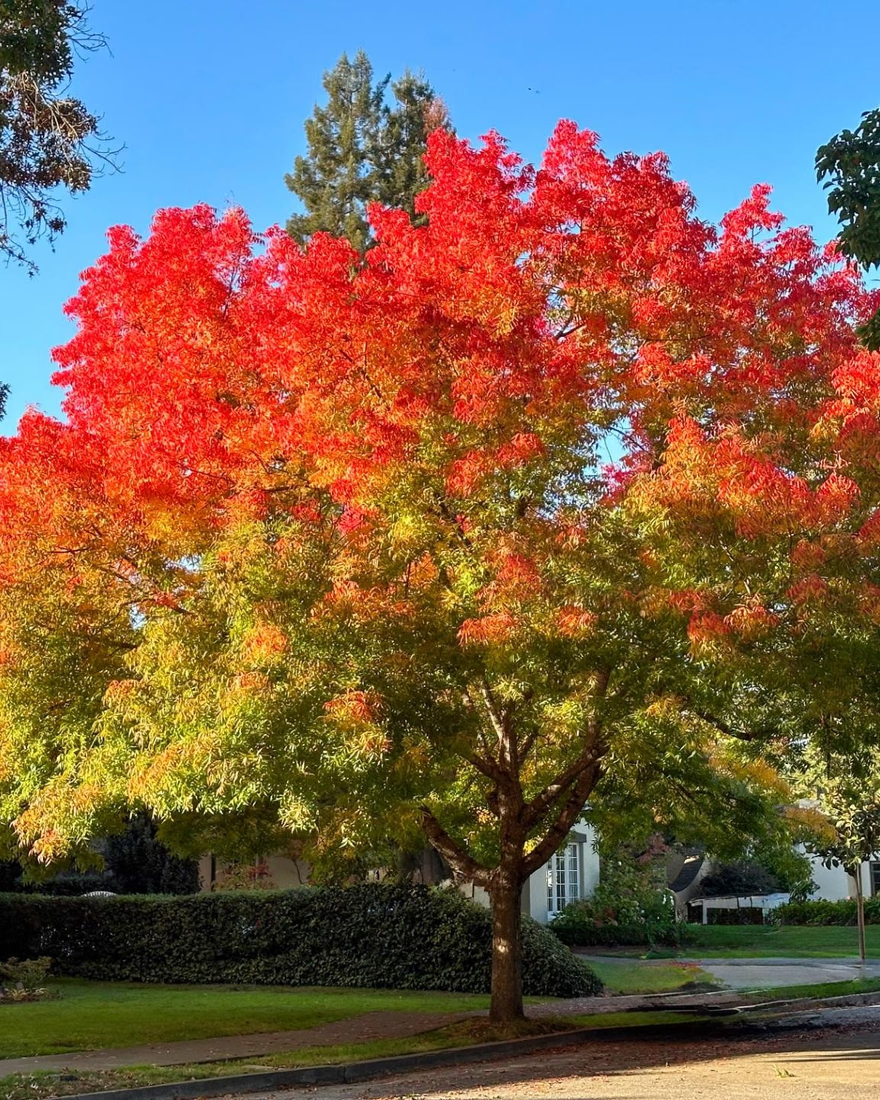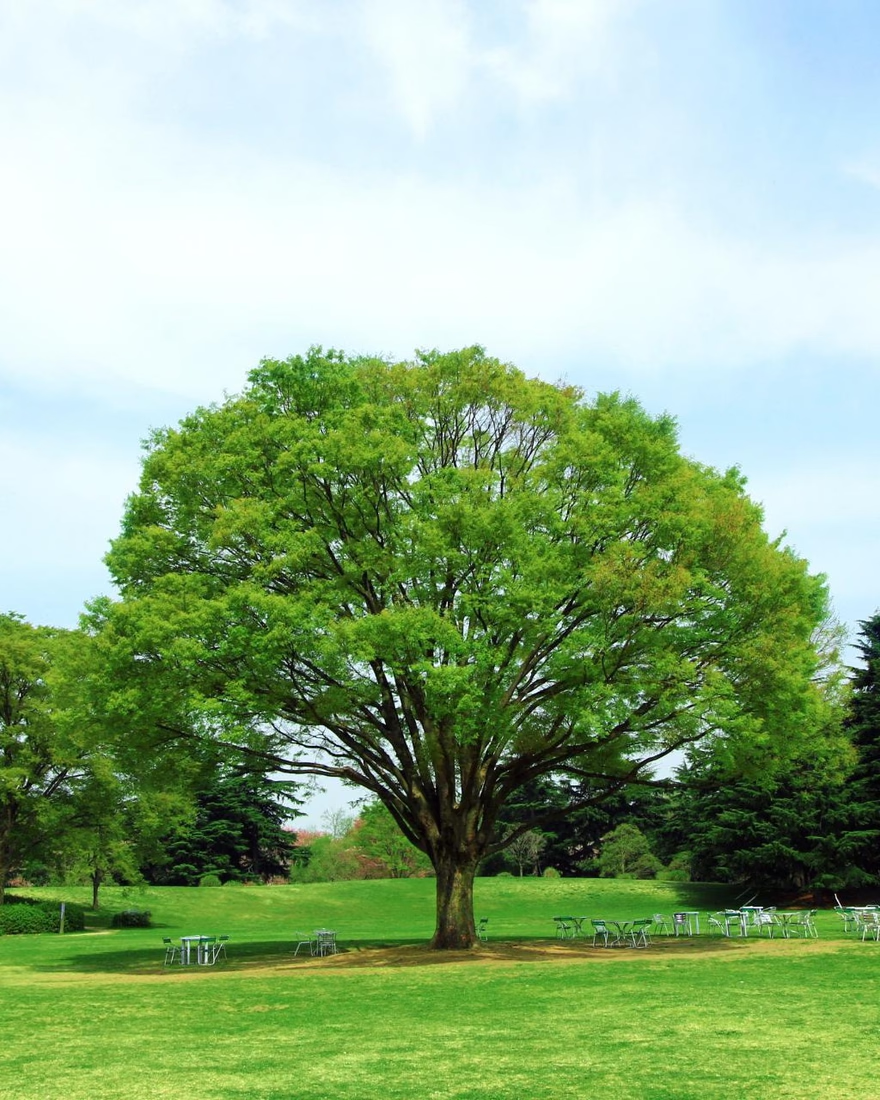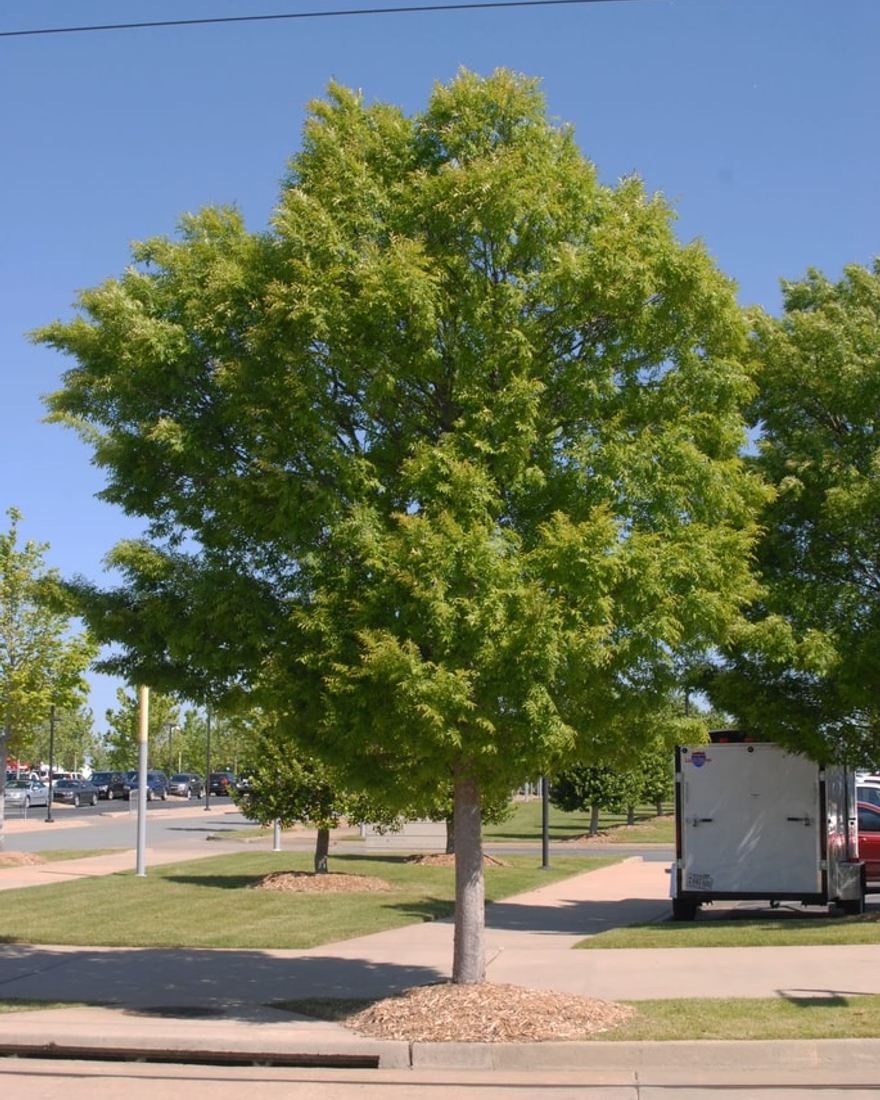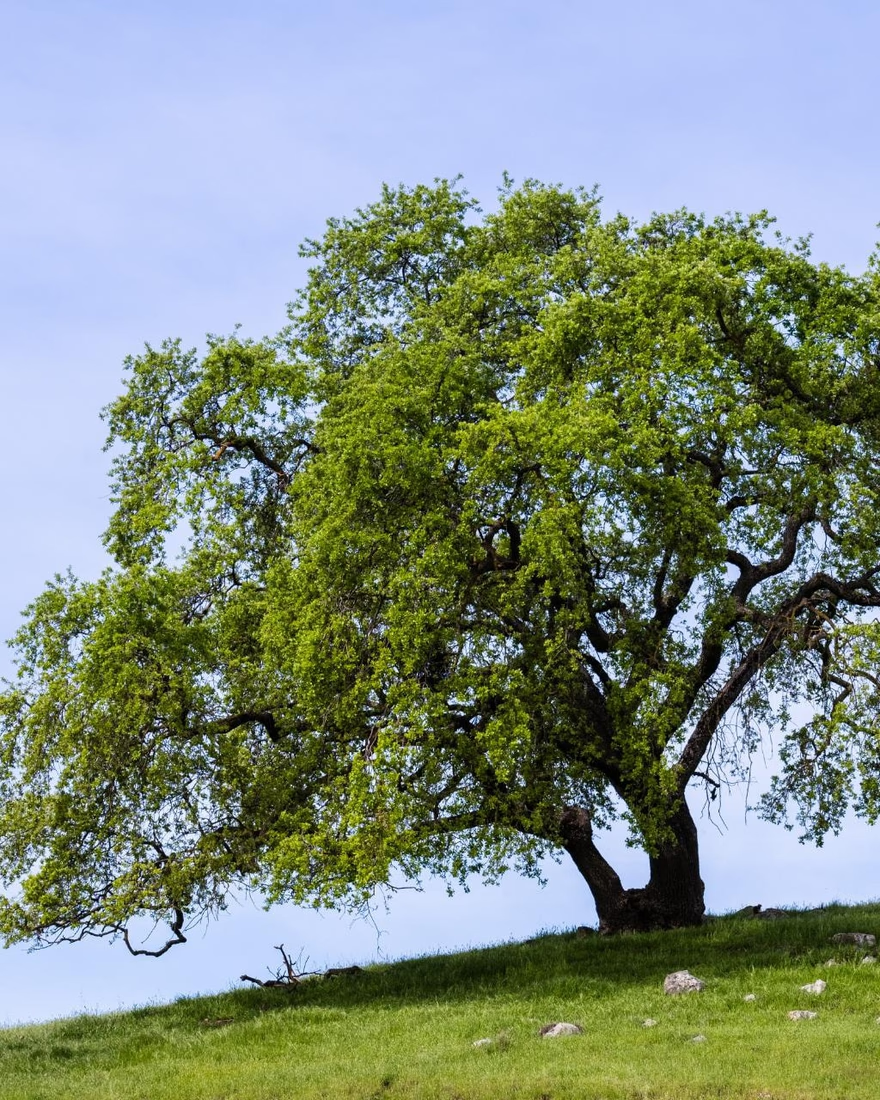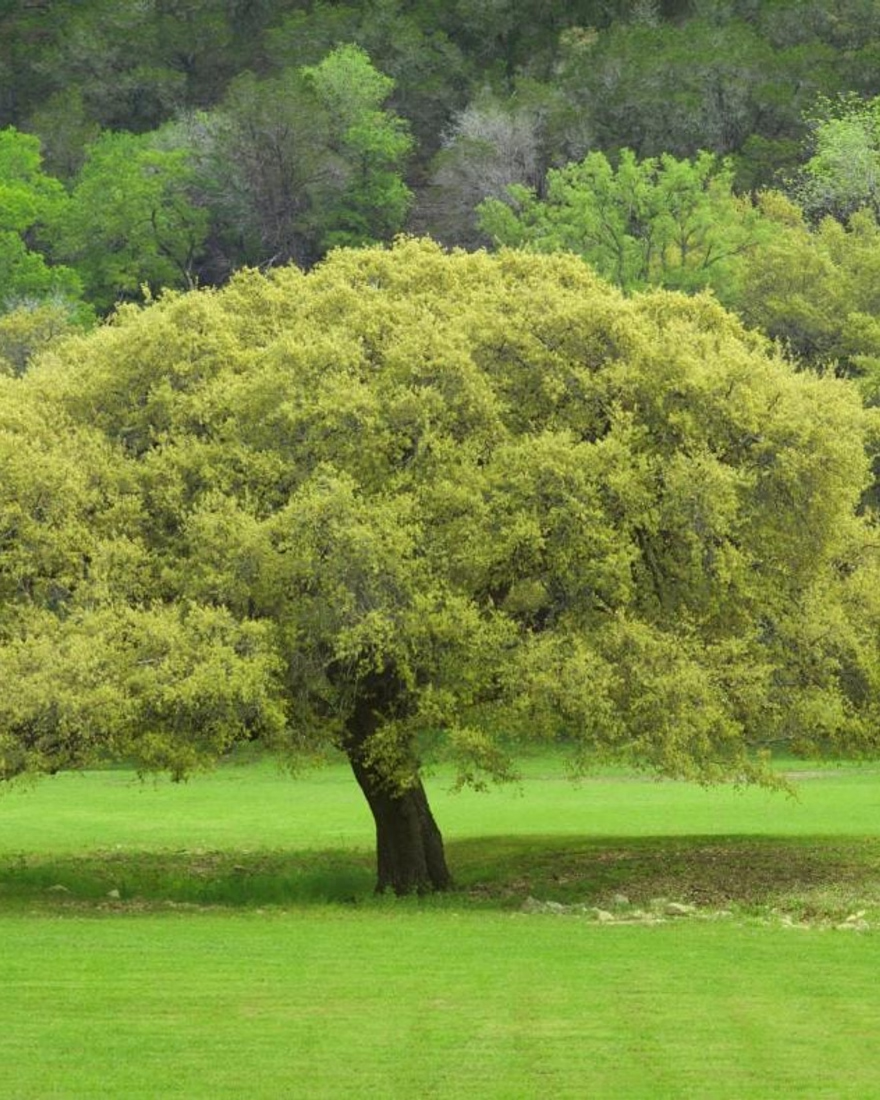

Standing tall with sweeping branches adorned in delicate foliage, the Deodar Cedar commands attention in any landscape it graces. With its majestic presence and adaptability to various climates, this evergreen conifer has become a favorite among gardeners and landscapers alike. In this article, we explore the art of planting and caring for Deodar Cedars, offering insights to help enthusiasts cultivate these arboreal treasures with success.
Planting
Selecting the Ideal Location: Choosing the right location is crucial when planting Deodar Cedars. These trees thrive in full sun to partial shade and prefer well-drained soil with good moisture retention. Select a site that offers ample space for the tree’s mature size, as Deodar Cedars can reach heights of 40 to 70 feet with a spread of 20 to 40 feet.
Timing: The ideal time for planting Deodar Cedars is during the dormant season in late fall or early spring. Planting during these periods allows the tree to establish its root system before facing the stresses of summer heat or winter cold.
Planting Procedure
- Begin by digging a hole that is two to three times wider than the tree’s root ball and equally deep.
- Gently remove the tree from its container or carefully loosen the roots if it is balled and burlapped.
- Place the tree in the center of the hole, ensuring that the top of the root ball is level with the surrounding soil.
- Backfill the hole with soil, firming it gently to eliminate air pockets.
- Water the tree thoroughly to settle the soil and promote root growth.
- Apply a layer of mulch around the base of the tree, keeping it several inches away from the trunk to prevent moisture-related issues.
Care
Watering: Deodar Cedars require regular watering, especially during the first few years after planting. Water deeply, ensuring that the soil remains consistently moist but not waterlogged. Once established, Deodar Cedars are moderately drought-tolerant but still benefit from supplemental irrigation during dry spells.
Fertilization: Fertilize Deodar Cedars annually in early spring with a balanced, slow-release fertilizer to promote healthy growth and foliage development. Avoid excessive fertilization, as this can lead to rapid, weak growth and may increase susceptibility to pests and diseases.
Pruning: Pruning Deodar Cedars is generally minimal and should be performed with care to maintain their natural shape and structure. Remove any dead, diseased, or crossing branches during the dormant season to improve air circulation and reduce the risk of pest infestation or disease.
Pest and Disease Management: Deodar Cedars are relatively resistant to pests and diseases, making them a low-maintenance option for landscapes. However, occasional issues such as spider mites, bagworms, or fungal diseases may occur. Monitor the tree regularly for signs of infestation or disease, and treat any problems promptly with appropriate insecticides or fungicides as needed.
As guardians of natural beauty and tranquility, Deodar Cedars enrich landscapes with their regal presence and enduring grace. By following the planting and care guidelines outlined in this article, enthusiasts can cultivate and preserve these arboreal treasures for generations to come. Whether adorning urban parks, botanical gardens, or private estates, the Deodar Cedar stands as a symbol of majesty and resilience, inspiring admiration and awe in all who encounter its verdant splendor.