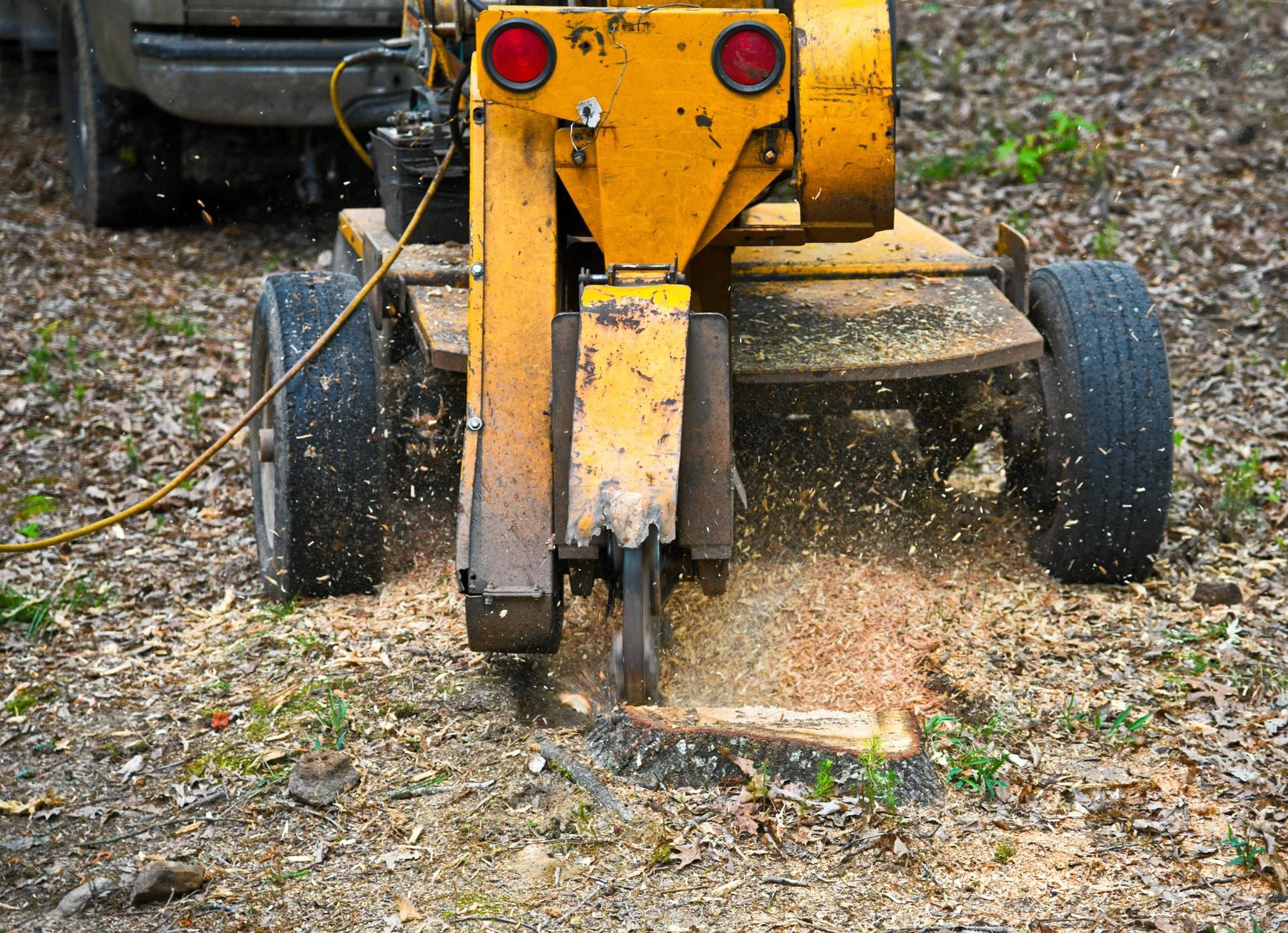
Stump grinding vs. stump removal is the first choice most people face once a tree is down, and there are a couple of other methods on the table too. They differ a lot in time, mess and what they leave behind. Here's how grinding, full extraction, chemical removers and burning each work, how they compare side by side, and why grinding is what most homeowners end up choosing.
Key Points
- Stump grinding shaves the stump down below the soil line in one visit and leaves the deeper roots to decay in place.
- Full stump removal pulls out the stump and root ball, which is thorough but digs up a large area of the yard.
- Chemical stump removers are cheap and quiet but slow, and you still have to break up and remove the softened wood.
- Burning a stump is risky and restricted in much of the Sacramento region, so it's rarely a good option.
- Grinding is the usual choice for lawns and beds. Extraction makes sense when something will be built on the spot.
How Stump Grinding Works
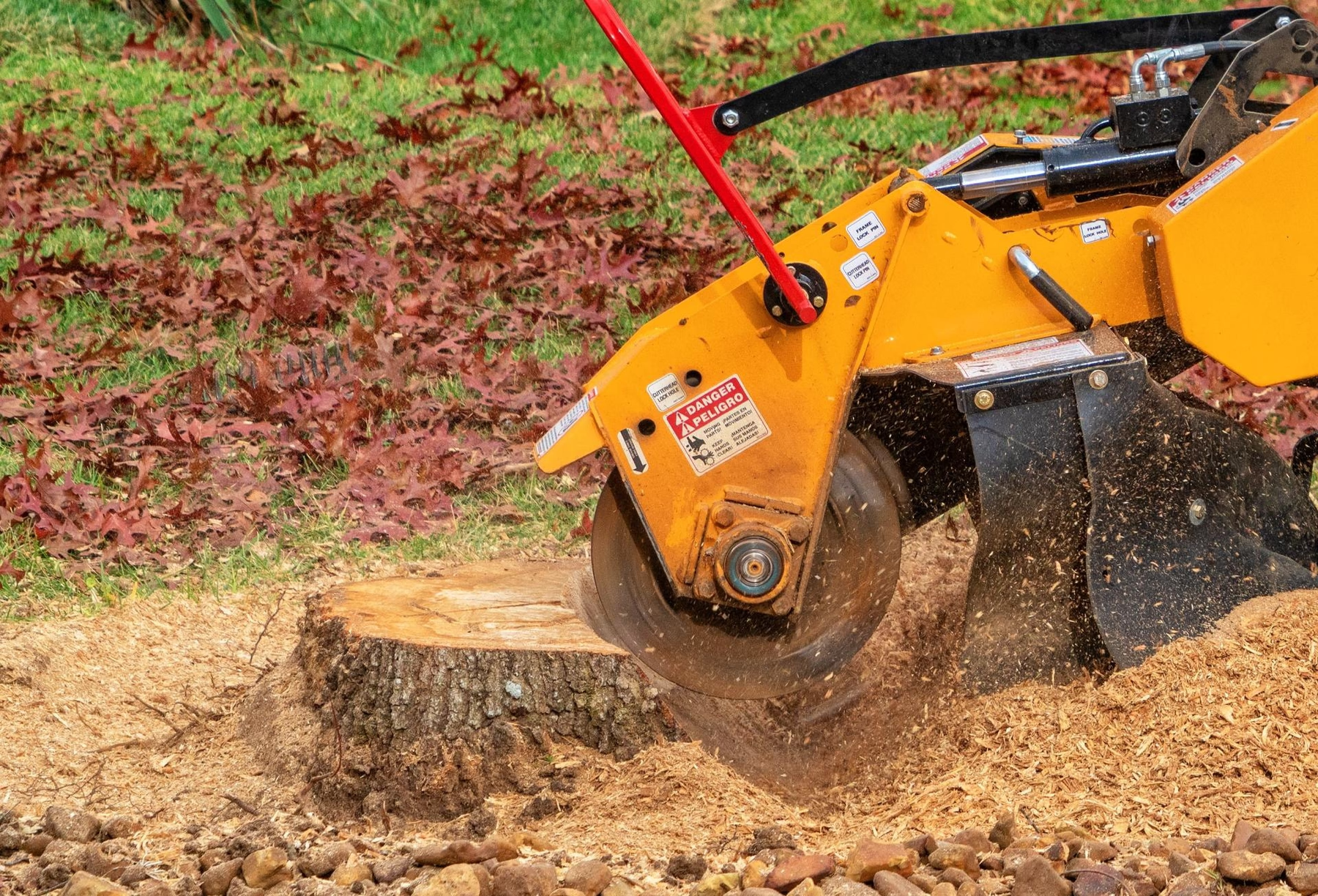
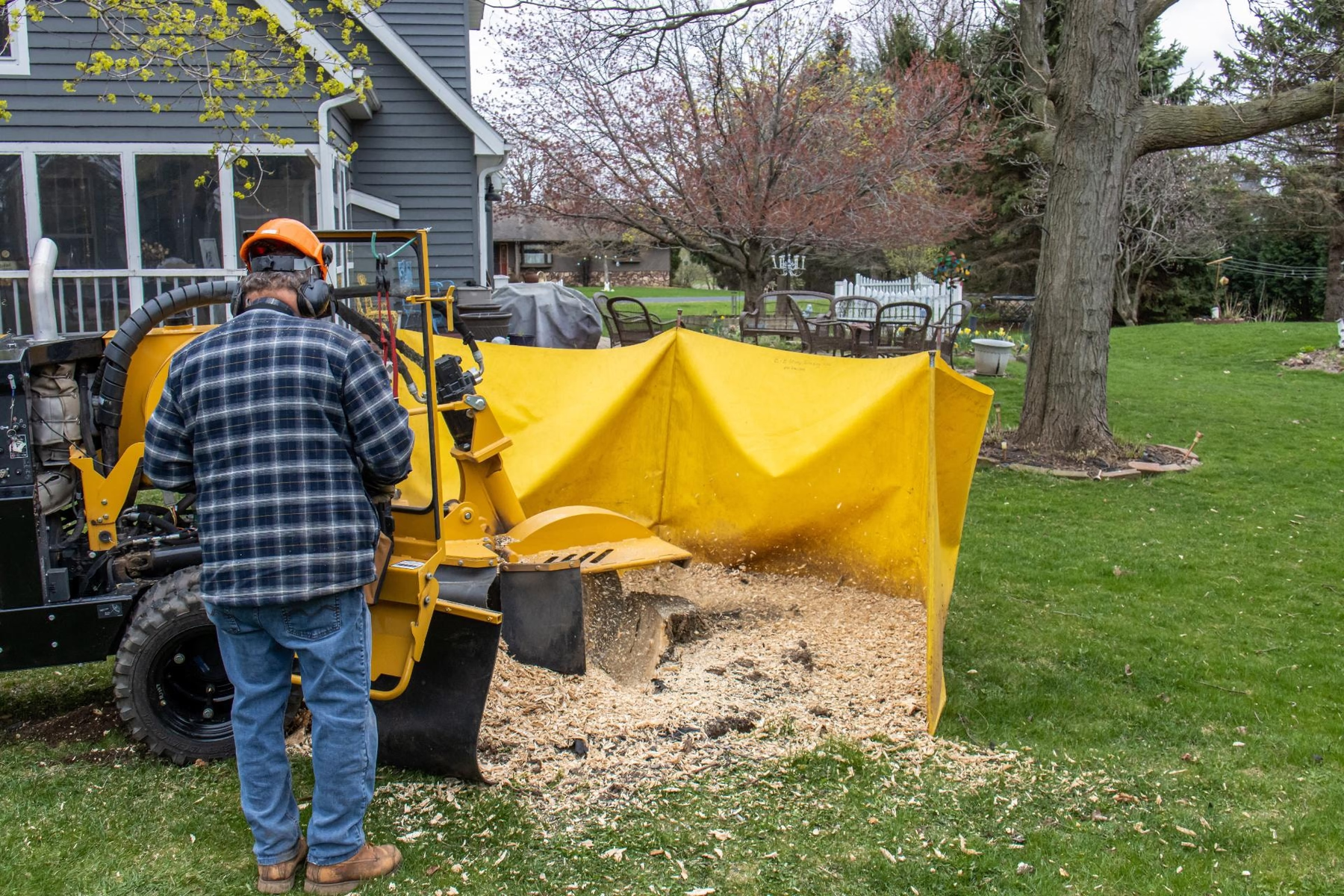
A stump grinder uses a heavy spinning wheel fitted with hardened cutting teeth. The operator sweeps the wheel side to side across the stump, shaving it into chips a little at a time, then works downward until the stump is below the soil surface. The large roots flaring out right around the trunk are ground along with it. What remains is a shallow hole filled with a mix of wood chips and soil, while the deeper roots stay in the ground and decay on their own.
Grinders come in several sizes, from large tow-behind machines for big stumps in open yards to compact units that fit through a backyard gate. That range is a big part of why grinding works on so many properties. Our post on stump grinding in tight spots and near utilities covers what changes when access is limited.
- Pros: One visit, little disturbance to the surrounding lawn and beds, machines sized for both open yards and tighter spaces, and ground that's ready for lawn or planting nearby.
- Cons: Roots below the grinding depth stay in the soil, there's a pile of grindings to deal with, and trees that sucker from their roots may still send up shoots for a while.
Does Stump Grinding Kill the Roots
For most trees, yes. Once the stump and root crown are gone, the remaining roots can't produce food and slowly die and decay. A handful of species can still push up suckers from their roots for a season or two, and cutting those off as they appear eventually wears the roots out.
Full Stump Removal (Extraction)
Extraction means pulling the stump and its main root ball out of the ground. That usually involves digging around it with an excavator or backhoe, cutting the major roots, and levering the whole mass free. It's the most complete option, since the bulk of the wood leaves the site.
It's also the most disruptive. The hole is large, heavy equipment tears up the lawn getting in and out, and you'll need a good amount of soil to fill the void. In the clay common across the Sacramento Valley, a big root ball comes out caked with heavy soil that also has to go somewhere. Nearby sprinkler lines, paths and plantings often take damage along the way.
The hole left behind also needs careful backfilling. Loose soil dumped into a large crater will keep settling for months, so for construction it's typically filled in layers and compacted as it goes. That compaction is right for a slab or footing but poor for a lawn or a tree, which need looser soil that roots and water can move through. It's one more reason extraction is better matched to building projects than to landscaping.
When Extraction Makes Sense
Extraction is worth the disruption when something is being built right where the tree stood, such as a foundation, footing, pool, driveway or retaining wall. Buried wood would rot under the new work and cause settling. If you're clearing ground for a project, our guide to tree removal before construction, pools and ADUs covers the planning. For a lawn or garden bed, extraction is usually more than the job needs.
Digging Out a Small Stump by Hand
Very small stumps from shrubs or young trees can often be dug out with a shovel, a mattock and a pruning saw for the roots. It's hard work in dry clay, so it helps to water the area deeply a day ahead to soften the soil. Once a stump is more than a few inches across, hand digging gets slow quickly.
Chemical Stump Removers
Stump remover products sold at hardware stores are generally meant to speed up decay. You drill holes into the top of the stump, add the product, and wait. Over many months, sometimes longer, the wood softens until it can be broken apart with an ax and dug out. Separately, some people apply an herbicide to a fresh cut to keep the stump from resprouting. If you go that route, follow the label exactly, and be careful near other trees of the same species, since roots of neighboring trees can be connected underground.
The appeal is low cost and no equipment. The downside is time. You'll be mowing around the stump for a long while, the process is slower still in dry summer soil, and at the end you still have to break up and remove the rotted wood yourself.
Burning a Stump
Burning is an old farm method, and it's a poor fit for a Sacramento-area yard. A stump can smolder underground in its roots long after the visible fire is out, open burning is restricted in much of the region, and the long dry season makes any fire near grass, fences or homes a serious risk. Check with your local fire agency and air district before even considering it. In most residential settings, the answer is simply don't.
Stump Grinding vs. Stump Removal Side by Side
Here's how the four methods compare on the things homeowners usually care about:
- Time to a usable yard: Grinding and extraction are done in a visit. Chemical removers take many months. Burning can take days and needs watching the whole time.
- Yard disturbance: Grinding leaves a small, shallow hole. Extraction leaves a large crater and equipment tracks. Chemicals and burning leave the stump in place until it's dug out.
- What stays underground: Grinding leaves the deeper roots to decay. Extraction removes most of the root mass. Chemicals and burning leave roots and often partly decayed wood.
- Resprouting: Grinding and extraction both remove the root crown that most sprouts come from. A stump treated only with a decay product can keep sprouting for a while.
- Best for: Grinding suits lawns, beds and replanting. Extraction suits construction. Chemicals suit a patient owner with a stump out of the way. Burning suits almost no residential yard.
How to Choose the Right Method for Your Stump
A few questions usually settle it:
- What will go on the spot? Lawn, a bed or a new tree nearby points to grinding. A slab, footing or pool points to extraction.
- How soon do you want it gone? If the answer is this season, rule out chemical removers.
- How is the access? Tight gates, slopes and nearby structures favor a compact grinder over an excavator.
- What's buried nearby? Sprinkler lines, gas and electric runs and sewer laterals all affect how deep and how wide anyone should work.
- Why did the tree come down? If it died of a root disease, removing more of the wood and choosing a new planting spot carefully both matter more.
For most homes and commercial properties, grinding balances speed, cost and cleanliness better than anything else. You can read more about how we approach it on our stump grinding page, and it's easy to add grinding to a tree removal so the whole job is finished at once. Once the grinder leaves, our guide to cleanup and lawn repair after stump grinding covers the next steps.
Get a Free Estimate
Not sure which approach fits your stump? Environmental Tree Service offers free estimates throughout our service area. Call (916) 870-8154 or contact us online.