Tree pruning is one of the most useful things you can do for a tree, and one of the easiest to get wrong. This guide covers what pruning is for, the three basic cuts, where to make them, how much to take, which tools fit which branches, and where a homeowner's job ends and a professional's begins.
Key Points
- Every cut needs a reason: safety, health, structure, clearance or light. Pruning is not a way to make a big tree small.
- Cut just outside the branch collar, the slightly swollen ring where a branch meets the trunk. No flush cuts and no stubs.
- On most mature trees, remove no more than about a quarter of the live canopy in a season, and usually much less.
- Use thinning and reduction cuts on shade trees. Save heading cuts for hedges, some fruit trees and young trees in training.
- Anything that means climbing, running a saw overhead or working near power lines is a job for a professional.
What Tree Pruning Is For
Every cut should have a reason. The good ones fall into a few groups:
- Safety: removing dead, broken or cracked branches before they fall on a roof, a car or a person.
- Health: taking out diseased wood and branches that rub against each other and wear through the bark.
- Structure: guiding a young tree toward one strong trunk and well-spaced limbs.
- Clearance: keeping branches off the house, the driveway and the sidewalk.
- Light and air: opening a dense crown a little so sun reaches the yard and wind passes through.
What pruning is not for is making a big tree small. Leaves are how a tree feeds itself, so every live branch you remove costs it something. If you can't name the reason for a cut, leave the branch where it is.
You'll hear "pruning" and "trimming" used for the same work, and in everyday speech they mostly overlap. Our post on trimming, pruning, thinning and crown raising sorts out the terms if a tree service's estimate uses words you don't recognize.
The Three Basic Cuts
Thinning Cut
A thinning cut removes a branch entirely, back to the trunk or to the larger limb it grows from. It's the workhorse of good pruning. It reduces density without changing the tree's natural shape, and the tree seals it well when it's made in the right spot.
Heading Cut
A heading cut shortens a branch back to a bud or a stub, with no side branch big enough to take over as the new tip. On a mature shade tree, heading cuts set off clusters of fast, weakly attached shoots called water sprouts, and the stubs they leave tend to rot. Heading cuts have a place on hedges, some fruit trees and young trees in training, but not in the crown of a grown oak or pistache.
Reduction Cut
A reduction cut shortens a limb back to a living side branch that is at least about a third the diameter of the part you remove. That side branch becomes the new tip, keeps feeding the limb and helps the wound close. Reduction cuts are how a limb gets lighter or a crown gets pulled back from a roof without leaving stubs. For bigger jobs of this kind, see our tree reduction service.
Where to Cut a Tree Branch
Look closely where a branch joins the trunk. You'll usually see a slightly swollen ring at the base of the branch, called the branch collar, and a raised ridge of bark in the crotch above it, called the branch bark ridge. Your cut goes just outside the collar, angled away from the ridge. The collar holds the tissue that seals the wound. Cut flush against the trunk and you open the trunk to decay. Cut too far out and the leftover stub dies back and rots.
On some trees the collar is hard to see. In that case, picture a line from the top of the branch bark ridge to the point where the underside of the branch meets the trunk, and cut just to the outside of it. When in doubt, a slightly long cut is easier to fix later than a flush one.
How to Prune a Branch Step by Step
- Walk around the whole tree before you cut anything. Decide what you want the tree to look like when you're done.
- Work in order: dead and broken branches first, then crossing and rubbing ones, then anything that blocks clearance or crowds the crown.
- For each branch, find the collar and the branch bark ridge, and pick the tool that fits its thickness.
- Use the three-cut method below for anything heavy enough to tear as it falls.
- Make the final cut clean and just outside the collar, without ripping bark below it.
- Step back after every few cuts to check the balance of the crown, and stop well before you reach your limit.
- Leave the cut open to the air. Wound paint and sealers aren't needed for ordinary pruning.
The Three-Cut Method for Heavy Limbs
A limb heavy enough to need a saw will often tear as it falls, peeling a strip of bark down the trunk. The three-cut method prevents that. First, make an undercut on the bottom of the limb, a foot or so out from the trunk, about a third of the way through. Second, make a top cut a few inches farther out than the undercut and saw until the limb drops; the undercut stops any tear from running back toward the trunk. Third, remove the short stub that remains with a final cut just outside the branch collar.
How Much, How Often and When to Prune
How Much You Can Take
On most mature trees, plan to remove no more than about a quarter of the live canopy in a season, and usually much less. Old trees, trees stressed by drought or root damage, and trees that were heavily cut in the past should get lighter work still. Young, vigorous trees tolerate proportionally more, but they rarely need it. If a tree needs a big change, spread it over several years so it can rebuild its leaves between visits. Our post on how trees respond to pruning cuts explains why big cuts cost a mature tree so much.
How Often
Young trees benefit from a light look every year or two while their structure is forming. Mature trees usually need attention every few years, mostly to remove deadwood, keep clearance and check for problems. Fast growers near a house or driveway may need it more often. A tree that seems to need heavy pruning every year is often a sign it's the wrong tree for the spot.
When
For most deciduous trees, the dormant season from leaf drop to late winter is the default. Spring-flowering trees are best shaped right after they bloom, and heavy pruning during a Sacramento heat wave is a bad idea for almost any tree. Dead or hazardous limbs can come off any time. For species-by-species timing, see the best time to prune trees in the Sacramento area.
Tools That Fit the Job
- Bypass hand pruners: for twigs and shoots up to about the thickness of your finger. Bypass blades slice cleanly, while anvil pruners tend to crush living wood.
- Loppers: long handles give you leverage on branches a little thicker than hand pruners can manage.
- Pruning saw: a curved, pull-stroke saw for anything larger. On small limbs it cuts cleaner and more precisely than a chainsaw.
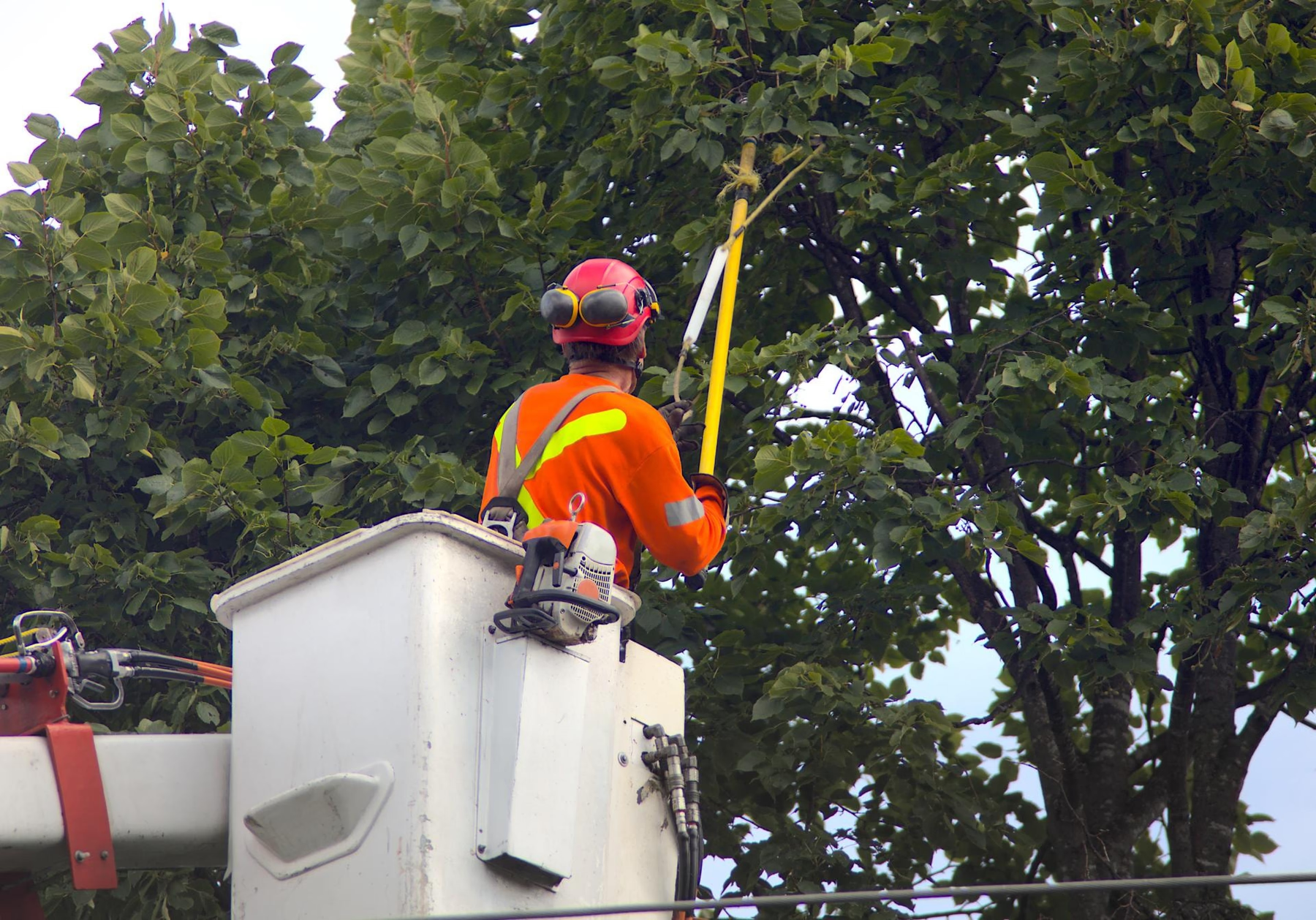
- Pole pruner: lets you reach small branches overhead while standing on the ground.
Keep blades sharp so they cut instead of tear, and wipe them clean between trees, especially after cutting out diseased wood. Wear eye protection and gloves, and watch where each branch will land before you make the cut. Never run a chainsaw from a ladder.
What You Can Prune Yourself and When to Call a Pro
A homeowner can safely handle a fair amount of routine pruning with both feet on the ground:
- Removing dead twigs and small dead branches you can reach
- Cutting suckers from the base of the trunk and water sprouts on low limbs
- Taking out small crossing or rubbing branches on young trees
- Light shaping of shrubs and small ornamental trees
Call a professional when the work means climbing, using a saw from a ladder, running a chainsaw overhead, or dropping limbs anywhere near a house, fence or car. The same goes for large trees, cracked or hanging limbs, and anything close to a power line. For lines, stay well away and call the utility. Native oaks need extra care too: many Sacramento-area cities and the county protect them, so check with your city or county before heavily pruning one. Our post on what you can trim yourself and when to call a pro goes further into where that line falls.
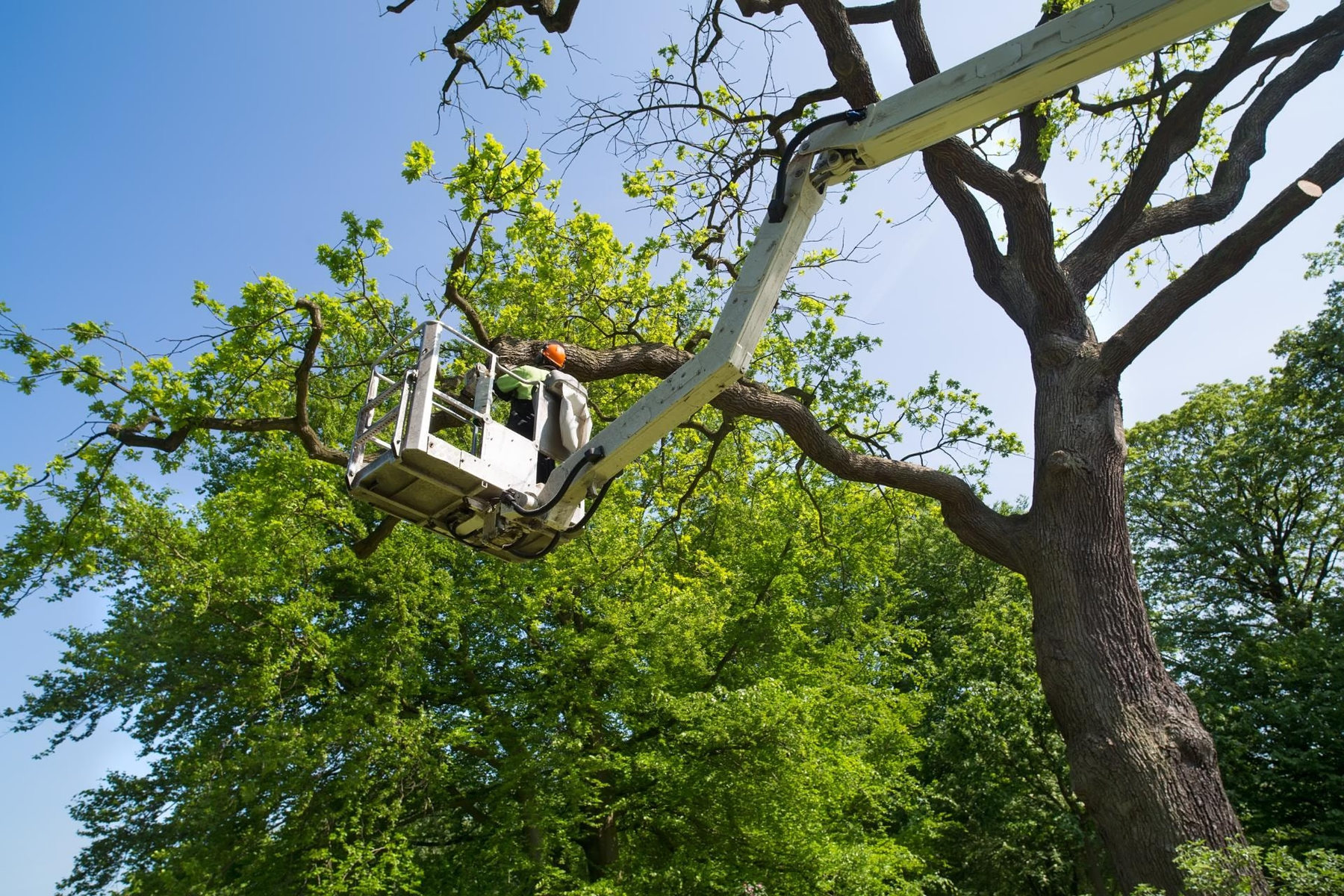
Environmental Tree Service offers professional tree pruning, with bucket trucks and cranes when a job calls for them.
Get a Free Estimate
If a tree needs more than a pair of loppers, we're happy to take a look. Call (916) 870-8154 or request a free estimate online.