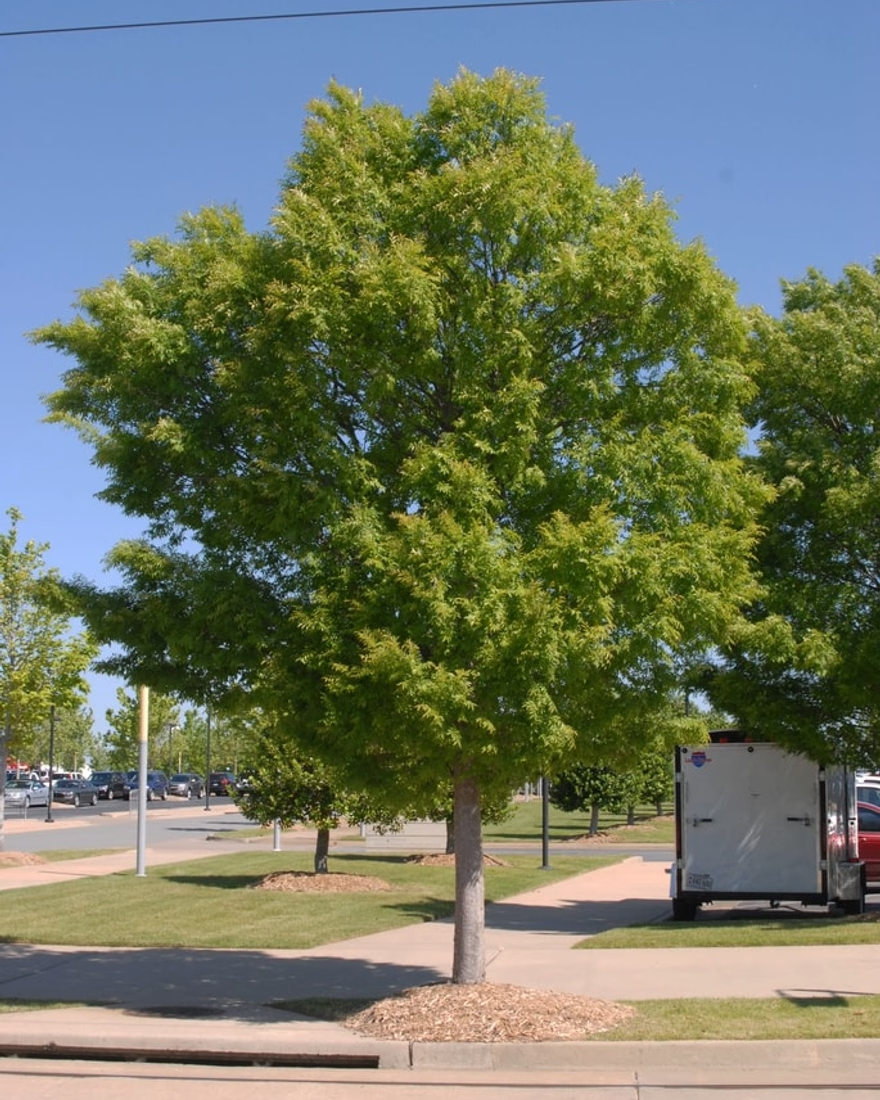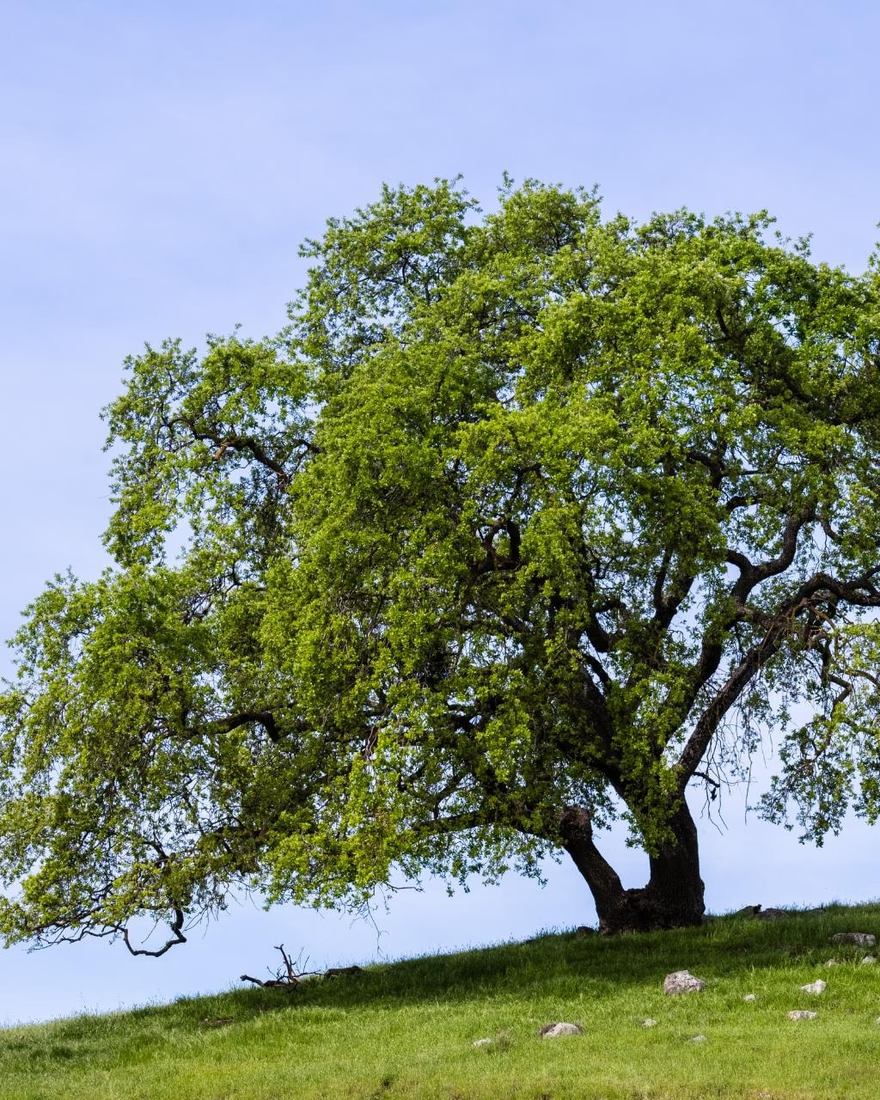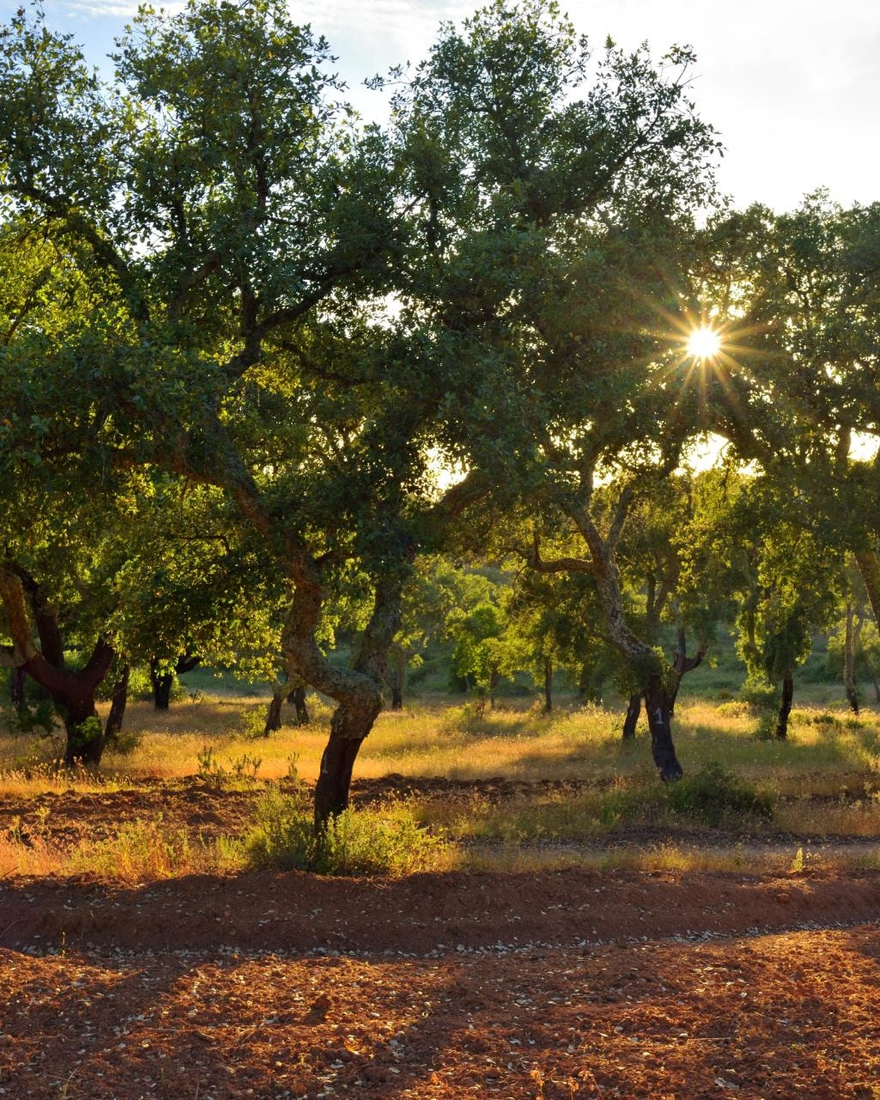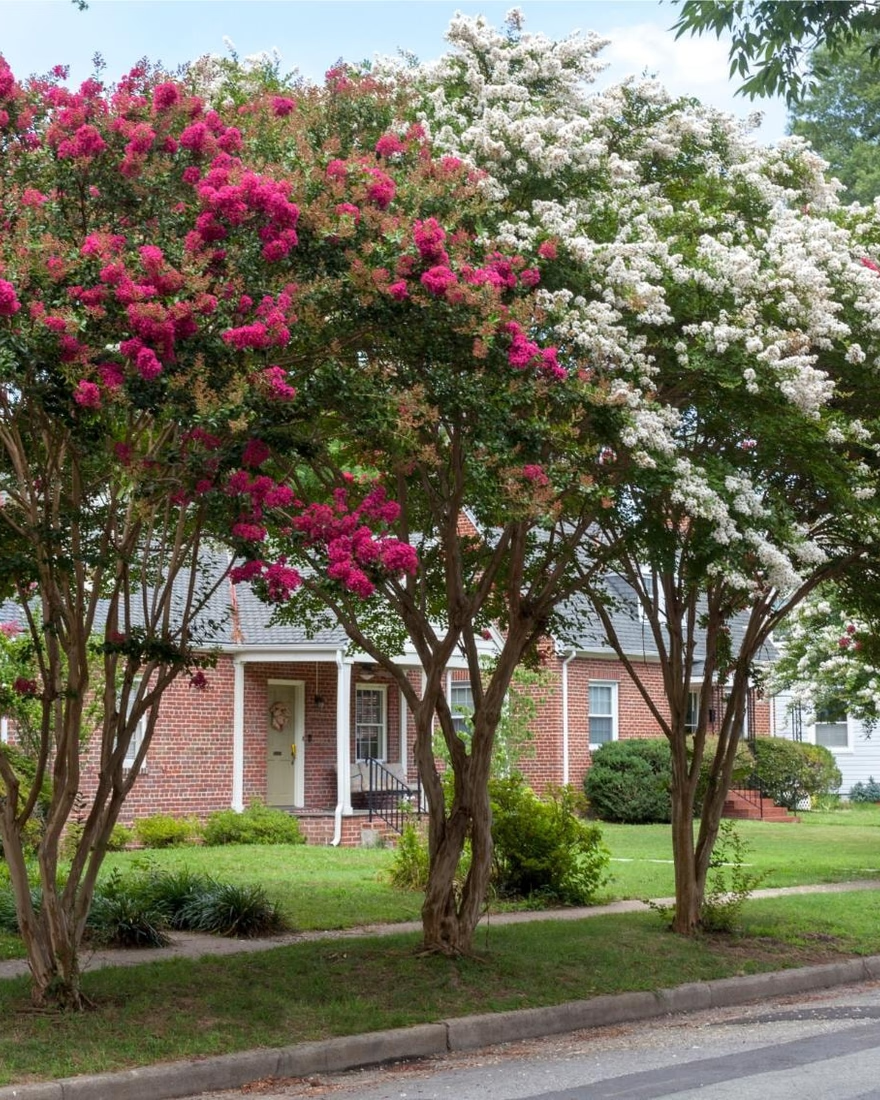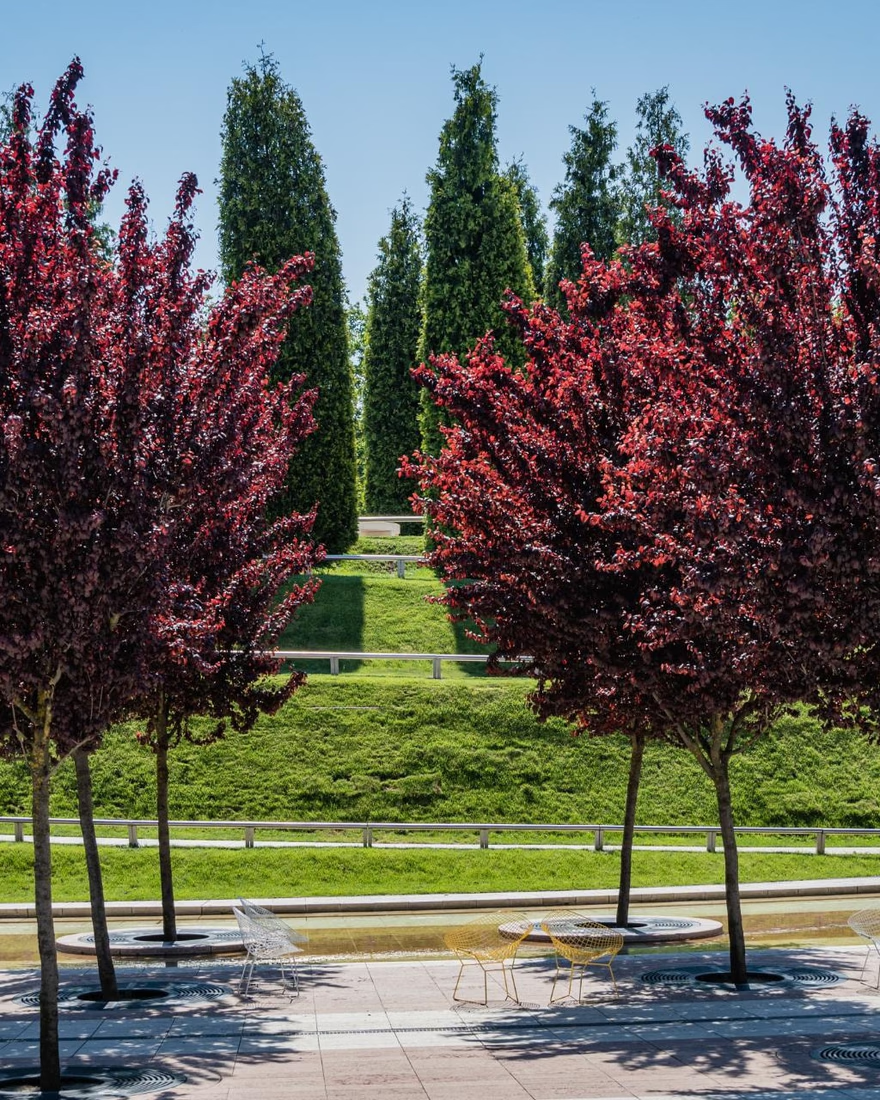

With their sprawling canopies and gnarled branches, Live Oak trees stand as timeless guardians of the Southern landscape, embodying a sense of heritage and resilience. Revered for their beauty, longevity, and cultural significance, these majestic trees have captured the imagination of generations. In this article, we explore the art of planting and caring for Live Oak trees, offering insights to help enthusiasts foster and preserve these iconic symbols of the American South.
Planting Your Live Oak Tree
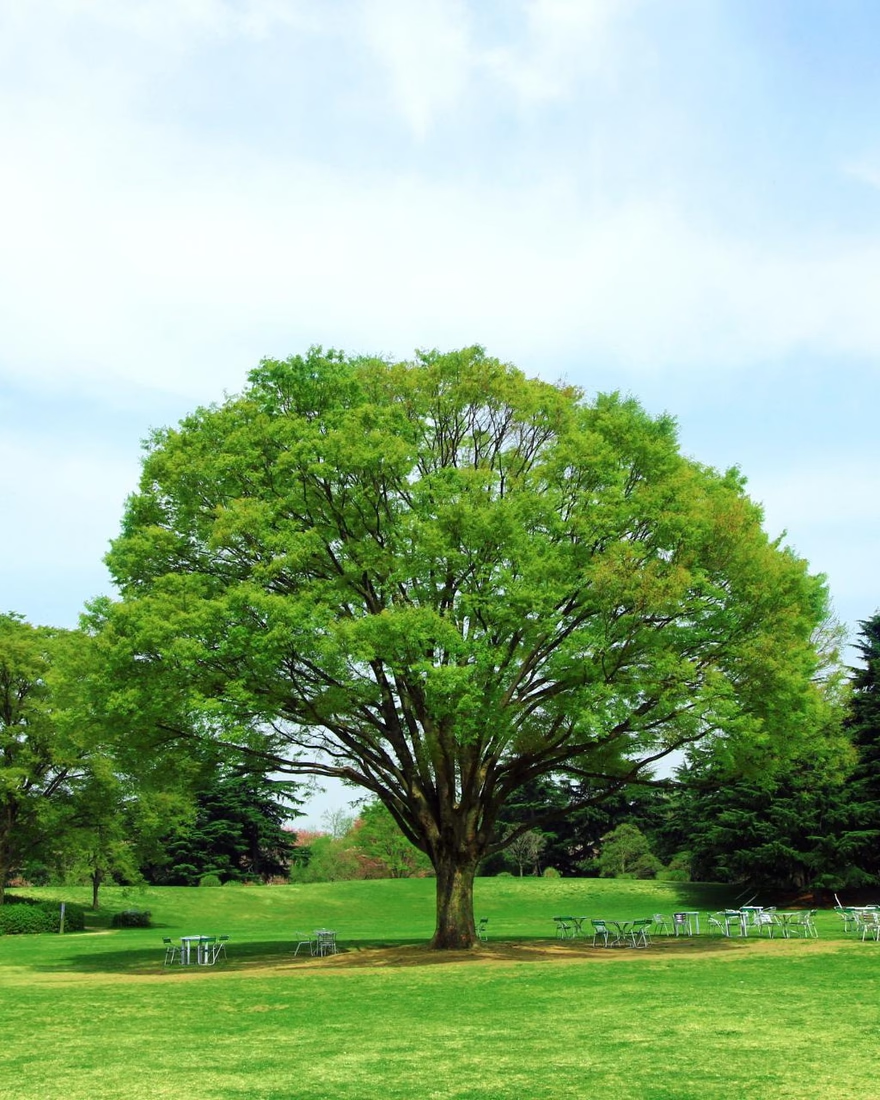
Selecting the Ideal Location: Choosing the right location is essential when planting Live Oak trees. These trees thrive in full sun to partial shade and prefer well-drained soil with good moisture retention. Consider the tree’s mature size, as Live Oaks can reach heights of 40 to 80 feet with a spread of 60 to 100 feet, requiring ample space to grow and flourish.
Timing: The ideal time for planting Live Oak trees is in late fall or early winter when the trees are dormant. Planting during this period allows the tree to establish its root system before the onset of the growing season. However, container-grown specimens can be planted year-round, provided the soil is workable and not frozen.
Planting Procedure
- Begin by digging a hole that is two to three times wider than the tree’s root ball and equally deep.
- Gently remove the tree from its container or carefully loosen the roots if it is balled and burlapped.
- Place the tree in the center of the hole, ensuring that the top of the root ball is level with the surrounding soil.
- Backfill the hole with soil, firming it gently to eliminate air pockets.
- Water the tree thoroughly to settle the soil and promote root establishment.
- Apply a layer of mulch around the base of the tree, extending it several feet from the trunk to conserve soil moisture and suppress weed growth.
Care
Watering: Live Oak trees require regular watering, especially during the first few years after planting. Water deeply, providing enough moisture to reach the tree’s extensive root system. During periods of drought, supplemental irrigation may be necessary to ensure the tree’s health and vitality.
Fertilization: Live Oak trees generally do not require regular fertilization, as they are adapted to thrive in nutrient-poor soils. However, if the tree shows signs of nutrient deficiency, such as yellowing leaves, a balanced fertilizer can be applied in early spring. Use caution to avoid over-fertilization, as excessive nutrients can harm the tree and disrupt its natural balance.
Pruning: Pruning Live Oak trees should be minimal and performed with care to maintain their natural form and structure. Remove any dead, damaged, or diseased branches as needed, using proper pruning techniques to prevent injury to the tree. Additionally, prune for clearance from structures or pathways, ensuring the tree’s safety and accessibility.
Pest and Disease Management: Live Oak trees are relatively resistant to pests and diseases, but they may occasionally face issues such as oak wilt, oak leaf blister, or powdery mildew. Monitor the tree regularly for signs of infestation or disease, and address any problems promptly with appropriate treatments. Avoid excessive pruning or wounds to the tree, as this can increase susceptibility to pests and pathogens.
As stewards of tradition and natural beauty, Live Oak trees enrich the landscapes they inhabit with their grand presence and cultural significance. By following the planting and care guidelines outlined in this article, enthusiasts can cultivate and preserve these iconic trees for future generations to admire and cherish. Whether gracing historic plantations, urban parks, or rural homesteads, the Live Oak stands as a testament to the enduring legacy of the American South.