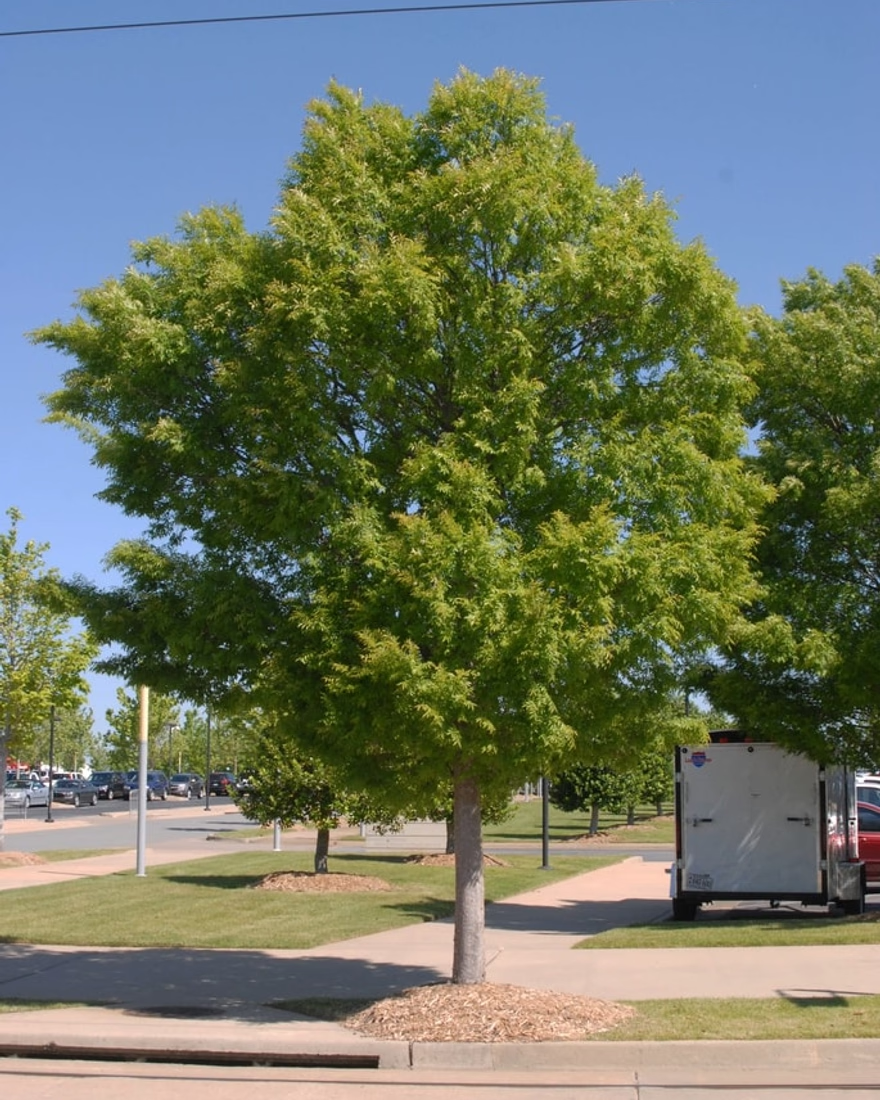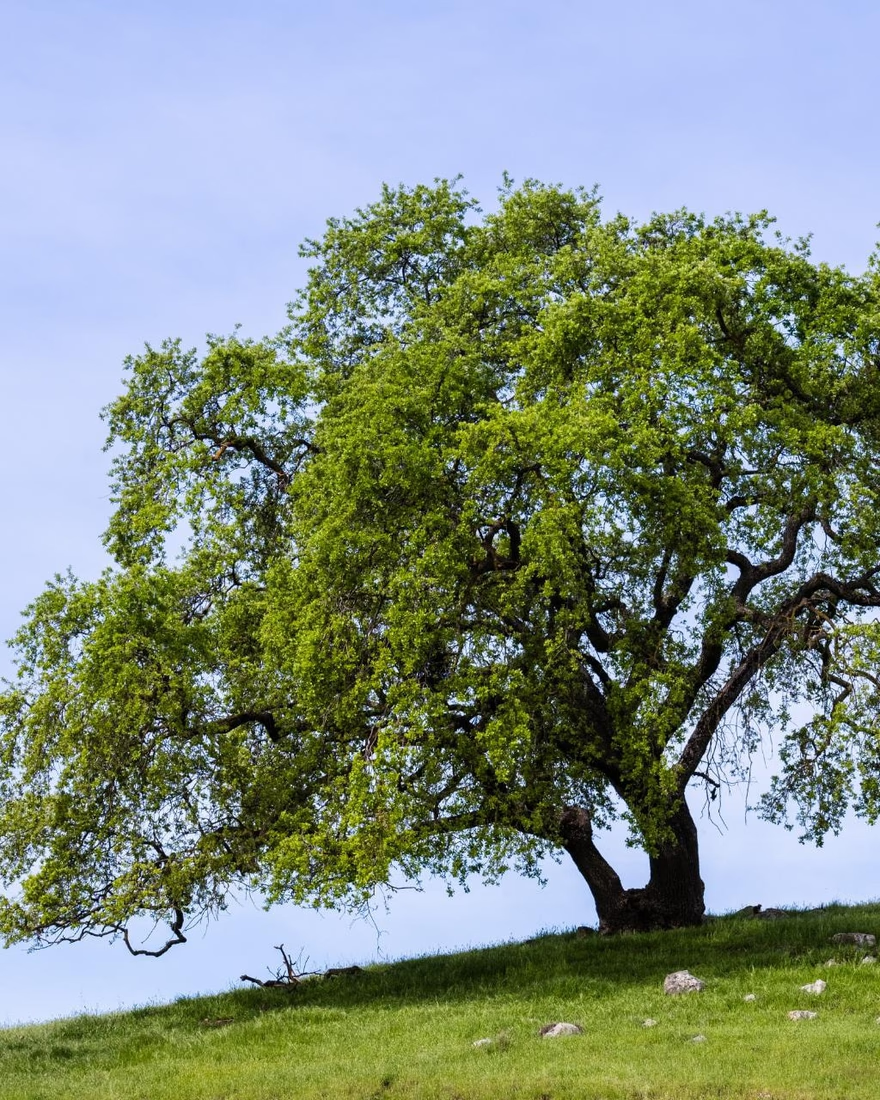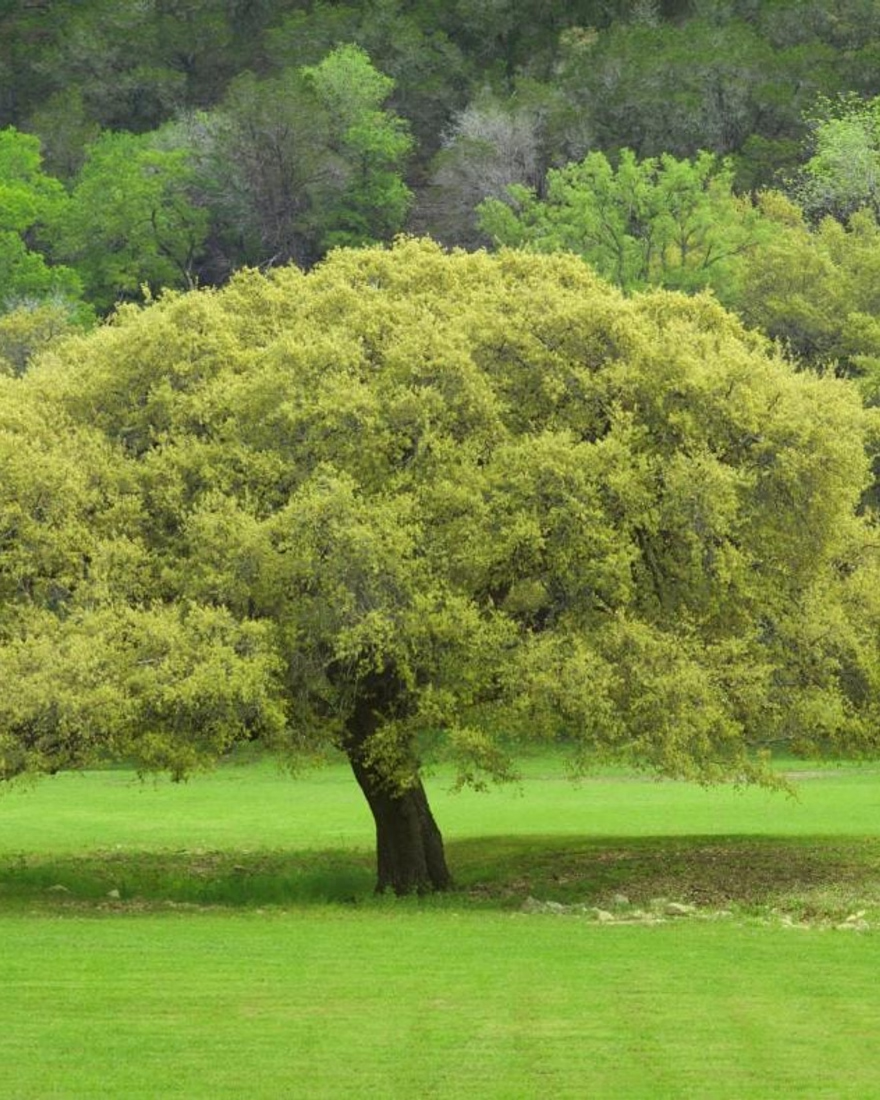

With its captivating purple foliage and delicate spring blossoms, the Purple Leaf Plum tree emerges as a striking centerpiece in any landscape. Renowned for its ornamental beauty and ease of cultivation, this deciduous tree holds a special place in gardens, parks, and urban spaces. In this article, we embark on a journey to explore the art of planting and caring for Purple Leaf Plum trees, providing enthusiasts with insights to nurture and appreciate these majestic arboreal gems.
Planting Your Purple Leaf Plum Tree
Selecting the Ideal Location: Choosing the right location is paramount when planting Purple Leaf Plum trees. These trees thrive in full sun to partial shade and prefer well-drained soil with good moisture retention. Select a site with ample space to accommodate the tree’s mature size, as Purple Leaf Plums can reach heights of 15 to 25 feet with a spread of 15 to 20 feet.
Timing: The ideal time for planting Purple Leaf Plum trees is in late winter to early spring, before the tree breaks dormancy. Planting during this period allows the tree to establish its root system before the onset of the growing season.
Planting Procedure
- Begin by digging a hole that is two to three times wider than the tree’s root ball and equally deep.
- Gently remove the tree from its container or carefully loosen the roots if it is balled and burlapped.
- Place the tree in the center of the hole, ensuring that the top of the root ball is level with the surrounding soil.
- Backfill the hole with soil, firming it gently to eliminate air pockets.
- Water the tree thoroughly to settle the soil and promote root establishment.
- Apply a layer of mulch around the base of the tree, extending it several feet from the trunk to conserve soil moisture and suppress weed growth.
Care
Watering: Purple Leaf Plum trees require regular watering, especially during the first few years after planting. Water deeply, providing enough moisture to reach the tree’s root zone. During periods of drought, supplemental irrigation may be necessary to maintain soil moisture levels.
Fertilization: Fertilize Purple Leaf Plum trees annually in early spring with a balanced, slow-release fertilizer to promote healthy growth and vibrant foliage. Avoid excessive fertilization, as this can lead to rapid, weak growth and may diminish the intensity of the tree’s leaf color.
Pruning: Pruning Purple Leaf Plum trees is essential for maintaining their desired shape and structure. Prune in late winter to early spring before new growth emerges, removing any dead, diseased, or crossing branches. Additionally, selectively prune to improve air circulation and enhance the tree’s aesthetic appeal.
Pest and Disease Management: Purple Leaf Plum trees are relatively resistant to pests and diseases, but they may occasionally face issues such as aphids, scale insects, or fungal diseases. Monitor the tree regularly for signs of infestation or disease, and treat any problems promptly with appropriate insecticides or fungicides as needed.
As ambassadors of grace and beauty, Purple Leaf Plum trees enrich landscapes with their enchanting foliage and delicate blossoms. By following the planting and care guidelines outlined in this article, enthusiasts can cultivate and cherish these arboreal treasures for years to come. Whether adorning residential gardens, public parks, or urban streetscapes, the Purple Leaf Plum stands as a symbol of enduring elegance and natural allure, captivating hearts and minds with its radiant purple hues and timeless charm.