Service Areas(916) 870-8154
Environmental Tree Service
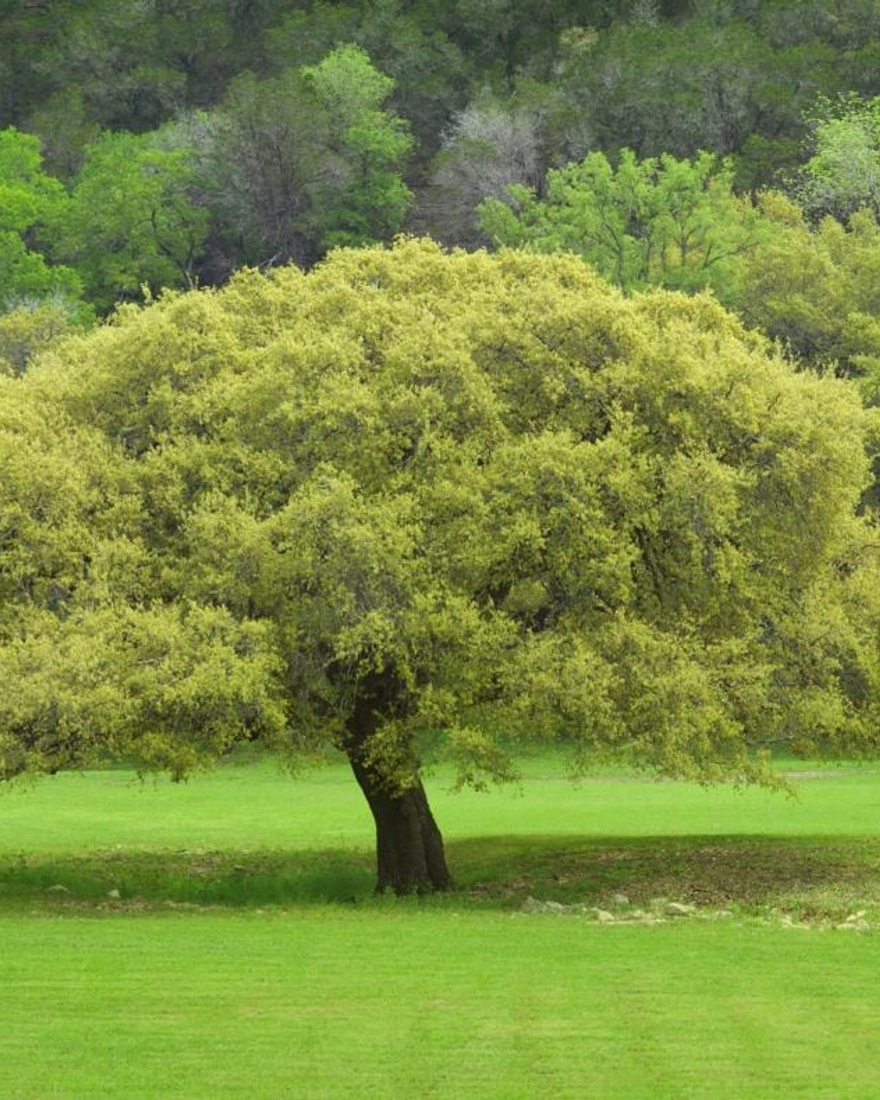
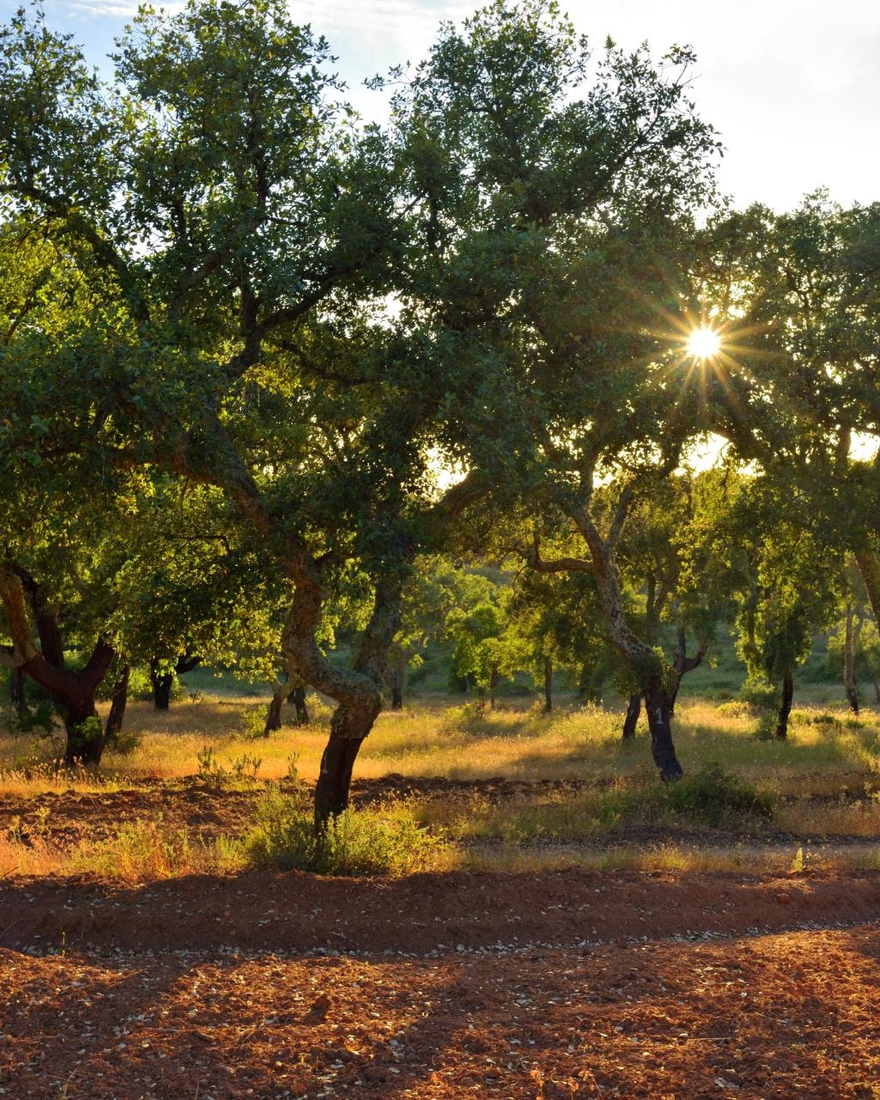
A broad valley oak standing on a green hillside
Quercus lobata

Valley Oak Planting and Care Guide

The Valley Oak tree (Quercus lobata) is a grand deciduous species native to California’s valleys. Known for its broad canopy and deeply lobed leaves, it provides vital habitat and food for wildlife. With its robust stature and long lifespan, it stands as an emblem of resilience and natural beauty in the Golden State’s landscapes.

Standing as sentinels of history and guardians of biodiversity, Valley Oak trees hold a revered place in the natural landscape of California and beyond. Known for their grandeur, longevity, and ecological significance, these majestic trees are deeply intertwined with the region’s heritage and ecosystems. In this article, we delve into the art of planting and caring for Valley Oak trees, offering insights to help enthusiasts nurture and preserve these iconic symbols of the American West.

Planting Your Valley Oak Tree

Selecting the Ideal Location: Choosing the right location is paramount when planting Valley Oak trees. These trees thrive in full sun and well-drained soil, preferably in areas with deep, fertile loam. Consider the tree’s mature size, as Valley Oaks can reach towering heights of 50 to 100 feet with a spread of 50 to 100 feet, requiring ample space to flourish.

Timing: The best time to plant Valley Oak trees is in late fall or early winter when the trees are dormant. Planting during this period allows the tree to establish its root system before the onset of the growing season. However, container-grown specimens can be planted year-round, provided the soil is workable and not frozen.

Planting Procedure

  1. Begin by digging a hole that is two to three times wider than the tree’s root ball and equally deep.
  2. Gently remove the tree from its container or carefully loosen the roots if it is balled and burlapped.
  3. Place the tree in the center of the hole, ensuring that the top of the root ball is level with the surrounding soil.
  4. Backfill the hole with soil, firming it gently to eliminate air pockets.
  5. Water the tree thoroughly to settle the soil and promote root establishment.
  6. Apply a layer of mulch around the base of the tree, extending it several feet from the trunk to conserve soil moisture and suppress weed growth.

Care

Watering: While Valley Oak trees are drought-tolerant once established, they benefit from regular watering, especially during the first few years after planting. Water deeply, providing enough moisture to reach the tree’s extensive root system. During prolonged dry spells, supplemental irrigation may be necessary to ensure the tree’s health and vitality.

Fertilization: Valley Oak trees generally do not require regular fertilization, as they are adapted to nutrient-poor soils. However, if the tree shows signs of nutrient deficiency, such as yellowing leaves, a balanced fertilizer can be applied in early spring. Use caution to avoid over-fertilization, as excessive nutrients can harm the tree and disrupt its natural balance.

Pruning: Pruning Valley Oak trees should be minimal and performed with care to maintain their natural form and structure. Remove any dead, damaged, or diseased branches as needed, using proper pruning techniques to prevent injury to the tree. Additionally, prune for clearance from structures or pathways, ensuring the tree’s safety and accessibility.

Pest and Disease Management: Valley Oak trees are relatively resistant to pests and diseases, but they may occasionally face issues such as oak gall wasps, powdery mildew, or oak root fungus. Monitor the tree regularly for signs of infestation or disease, and address any problems promptly with appropriate treatments. Avoid excessive pruning or wounds to the tree, as this can increase susceptibility to pests and pathogens.

As enduring symbols of strength, resilience, and natural beauty, Valley Oak trees enrich the landscapes they inhabit with their grand presence and ecological importance. By following the planting and care guidelines outlined in this article, enthusiasts can cultivate and safeguard these iconic trees for future generations to admire and cherish. Whether gracing rural landscapes, urban parks, or protected wilderness areas, the Valley Oak stands as a testament to the rich tapestry of life and history in the American West.
Valley Oak: Frequently Asked Questions

What is a Valley Oak tree?

The Valley Oak (Quercus lobata) is a majestic and iconic deciduous tree native to California's Central Valley and surrounding regions.

How tall does a Valley Oak tree typically grow?

Valley Oak trees can reach towering heights of up to 100 feet or more, with a massive trunk and broad canopy.

Is the Valley Oak tree fast-growing?

Valley Oak trees are relatively slow-growing, adding about 1 to 2 feet of height per year.

What is the lifespan of a Valley Oak tree?

Valley Oak trees are long-lived, with lifespans ranging from 200 to 600 years or more under favorable conditions.

Are Valley Oak trees deciduous or evergreen?

Valley Oak trees are deciduous, shedding their leaves in the fall and remaining dormant through the winter.

What type of soil does a Valley Oak tree prefer?

Valley Oak trees prefer deep, well-drained soil, but they can tolerate a variety of soil types, including clay and loam.

Does a Valley Oak tree require full sun?

Yes, Valley Oak trees thrive in full sun and require at least six hours of direct sunlight per day for optimal growth.

Are Valley Oak trees drought-tolerant?

Once established, Valley Oak trees are moderately drought-tolerant, though they benefit from regular watering, especially during dry spells.

When is the best time to plant a Valley Oak tree?

The best time to plant a Valley Oak tree is in the late fall or early winter when the tree is dormant.

Do Valley Oak trees produce acorns?

Yes, Valley Oak trees produce large acorns that are an important food source for wildlife.

How do I prune a Valley Oak tree?

Prune Valley Oak trees sparingly and selectively in late winter or early spring to remove dead or diseased branches and to shape the tree as desired.

Can I grow grass under a Valley Oak tree?

While Valley Oak trees have shallow root systems, it's generally best to avoid planting grass directly underneath to minimize competition for water and nutrients.

Are Valley Oak trees susceptible to pests or diseases?

Valley Oak trees are relatively resistant to pests and diseases, although they may occasionally face issues such as oak gall wasps or powdery mildew.

Can I grow a Valley Oak tree in a container?

Valley Oak trees are not suitable for container cultivation due to their eventual size and extensive root system.

How do I fertilize a Valley Oak tree?

Fertilize Valley Oak trees annually in early spring with a balanced fertilizer formulated for trees and shrubs.

Are Valley Oak trees deer-resistant?

Valley Oak trees are generally not preferred by deer, but they may still browse on them if other food sources are scarce.

Can I grow a Valley Oak tree in a windy area?

Valley Oak trees are relatively wind-resistant but may benefit from some protection in extremely windy locations.

Do Valley Oak trees change color in the fall?

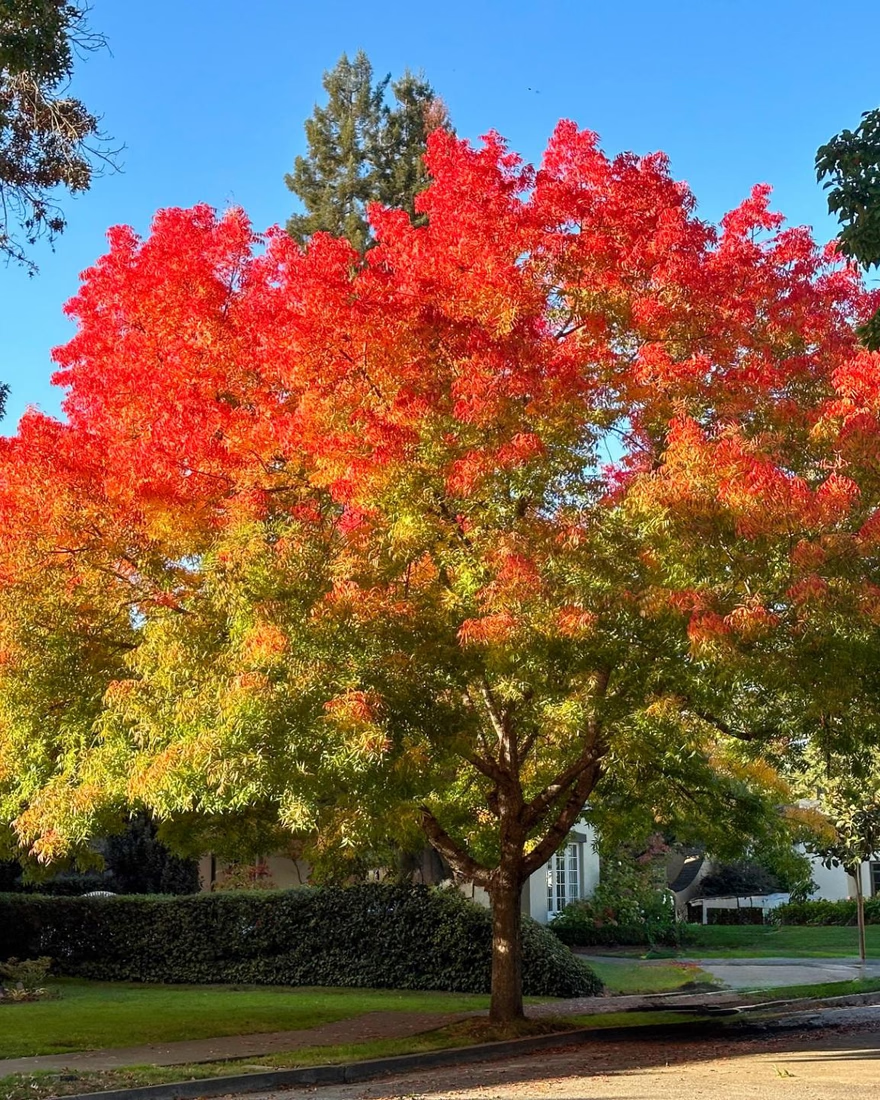
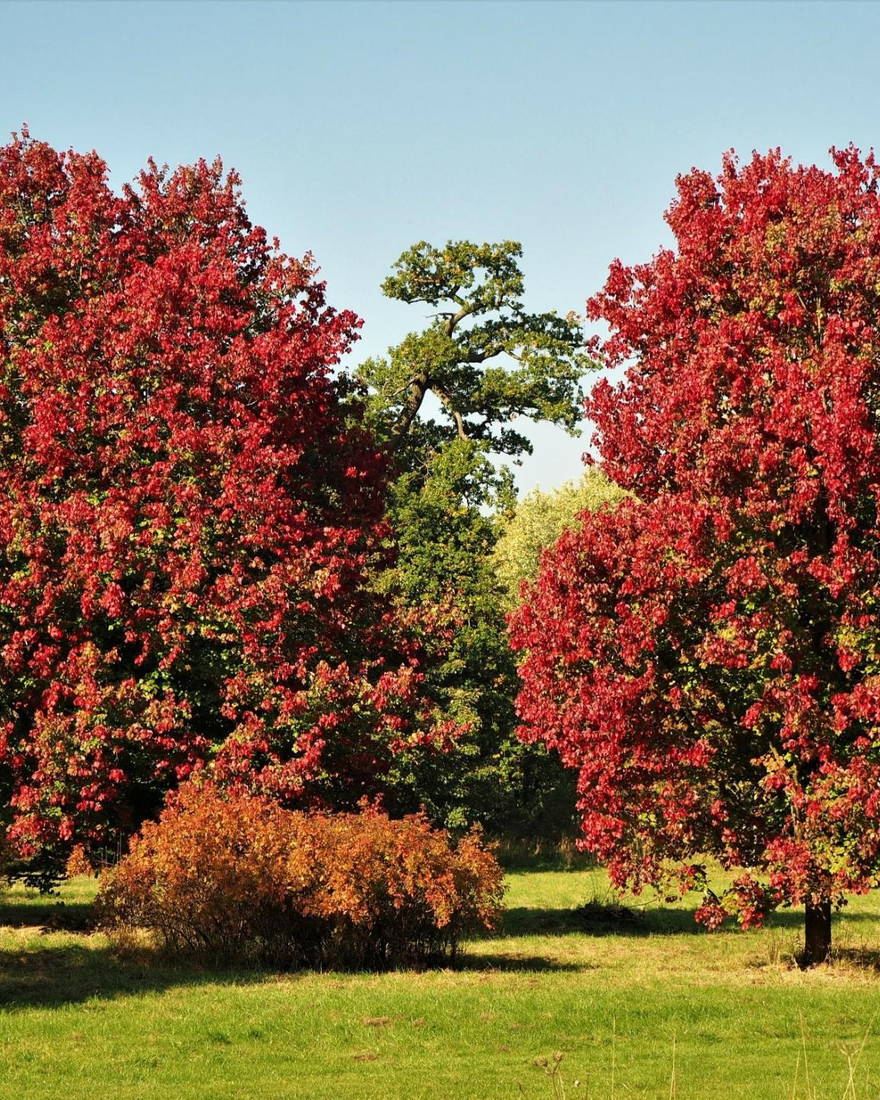
Yes, Valley Oak trees produce vibrant yellow or golden foliage in the fall before dropping their leaves.

How do I propagate a Valley Oak tree?

Valley Oak trees can be propagated from seeds, although they may take several years to germinate and grow into mature trees.

Are Valley Oak trees protected or endangered?

Valley Oak trees are considered important species and may be protected in certain regions due to habitat loss and urban development.

Trees

More Trees for Sacramento Landscapes

All trees
Aerial view of Sacramento neighborhoods under a canopy of fall trees

Planting, Pruning or Removing a Tree?

Call any time, or send a few details about your trees and we'll get back to you with a free, detailed estimate.

Available 24/7

Request a Free Estimate

Looking for reliable tree service in Sacramento? Contact Environmental Tree Service for tree removal, tree trimming, stump grinding and 24/7 emergency tree service. We'll respond promptly with a detailed estimate.

Environmental Tree Service
Call Us, Day or Night
(916) 870-8154
Address
9061 Elder Creek Rd
Sacramento, CA 95829
License
Licensed, bonded and insured. CA Lic. 937241

Request a Service

A few details about your trees help us give you an accurate estimate.