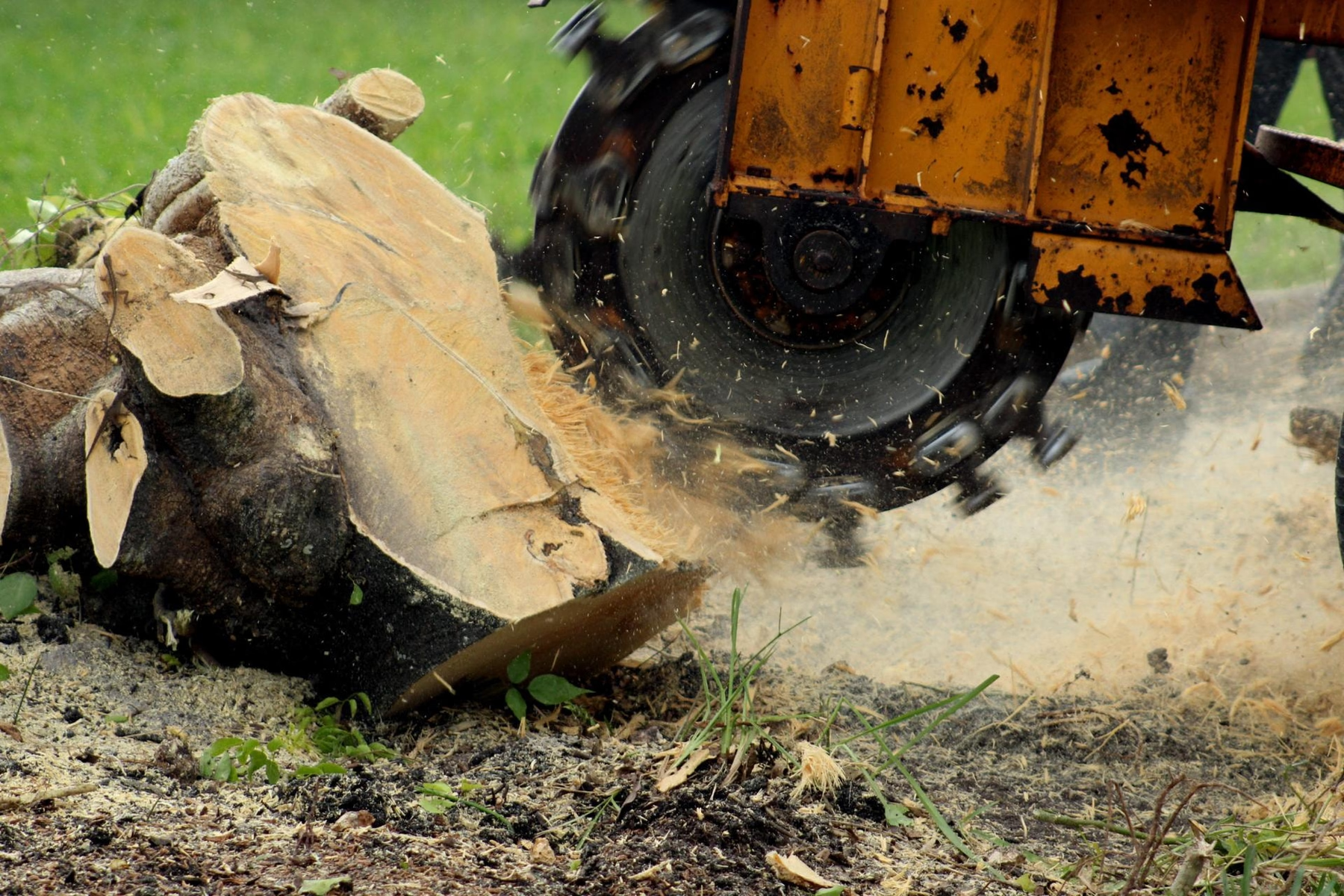
How deep stump grinding goes, and what happens to the roots afterward, surprises a lot of people, because grinding doesn't remove the whole root system. This post explains the typical depth and what limits it, what happens to the roots left behind, which trees can sprout from them, how long they take to decay, and how to handle surface roots in a lawn.
Key Points
- A standard grind takes the stump several inches below the soil, enough to cover it and grow grass.
- Deeper grinding is possible when you have plans for the spot, but rocks, utilities and the shape of the cut set limits.
- Most trees' roots die and slowly decay once the stump is gone, though some species send up suckers for a while.
- Small roots break down within a year or two, while large roots, especially oak, can take many years.
- Surface roots from a removed tree can be covered, planted over or ground out, but roots of trees you're keeping need protecting.
How Deep Stump Grinding Goes
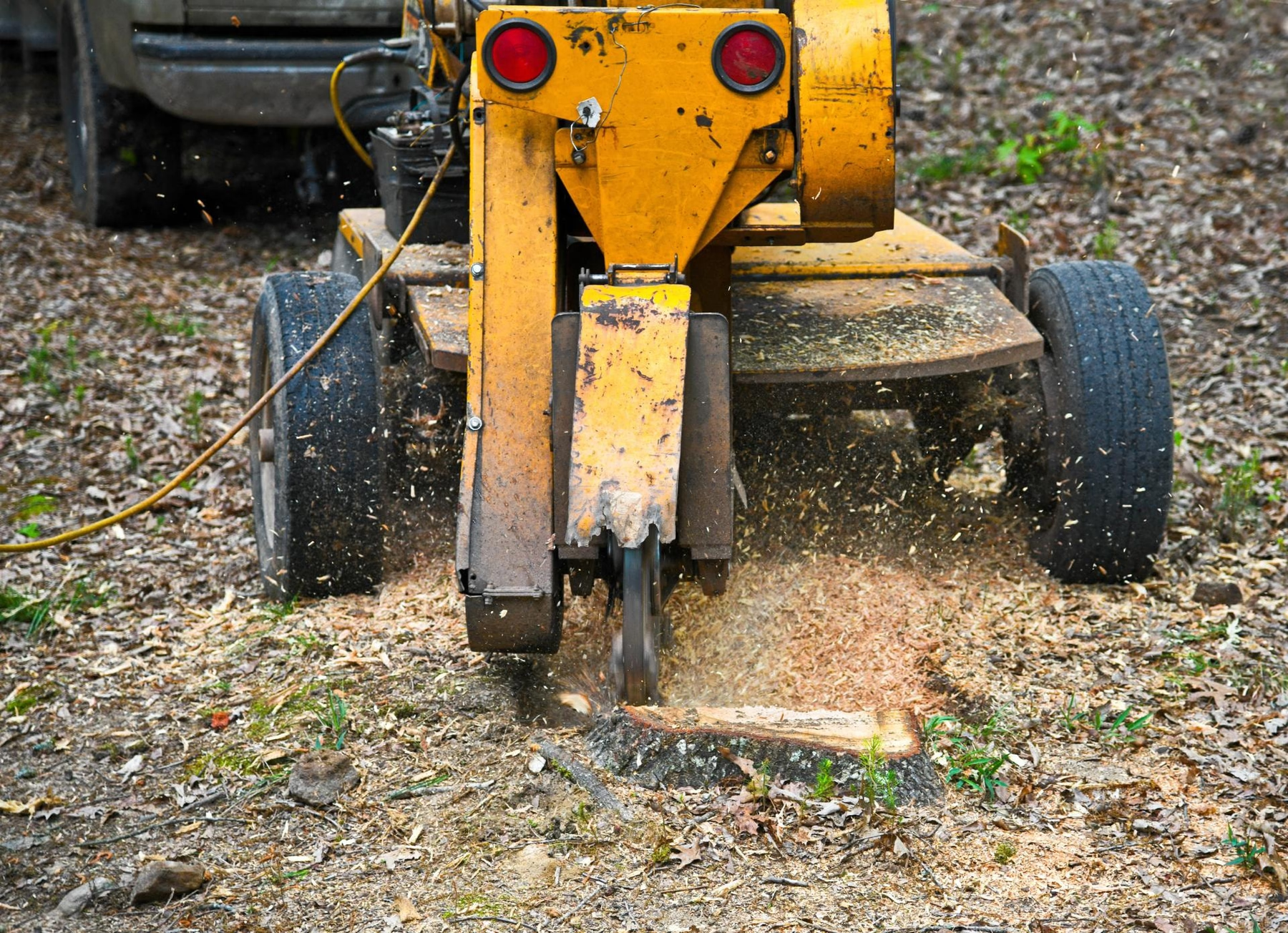
A standard grind takes the stump down to typically several inches below the surrounding soil, which is enough to cover it with soil and grow grass over the spot. The grinder can go deeper when there's a reason, but depth has practical limits.
When to Ask for a Deeper Grind
A standard depth suits a lawn. Ask for more when you have other plans for the spot:
- Planting a new tree or large shrub in or near the old hole.
- Laying pavers, a path or a patio edge across the spot.
- Setting fence posts or a garden bed border where the stump was.
- Reducing sprouting from a species known to sucker from its root crown.
Mention those plans before work starts. Depth is easy to adjust while the grinder is there and much harder to add later. For planting, our guide to planting a new tree where an old stump was explains why moving over a few feet often works better than grinding very deep.
What Limits Depth
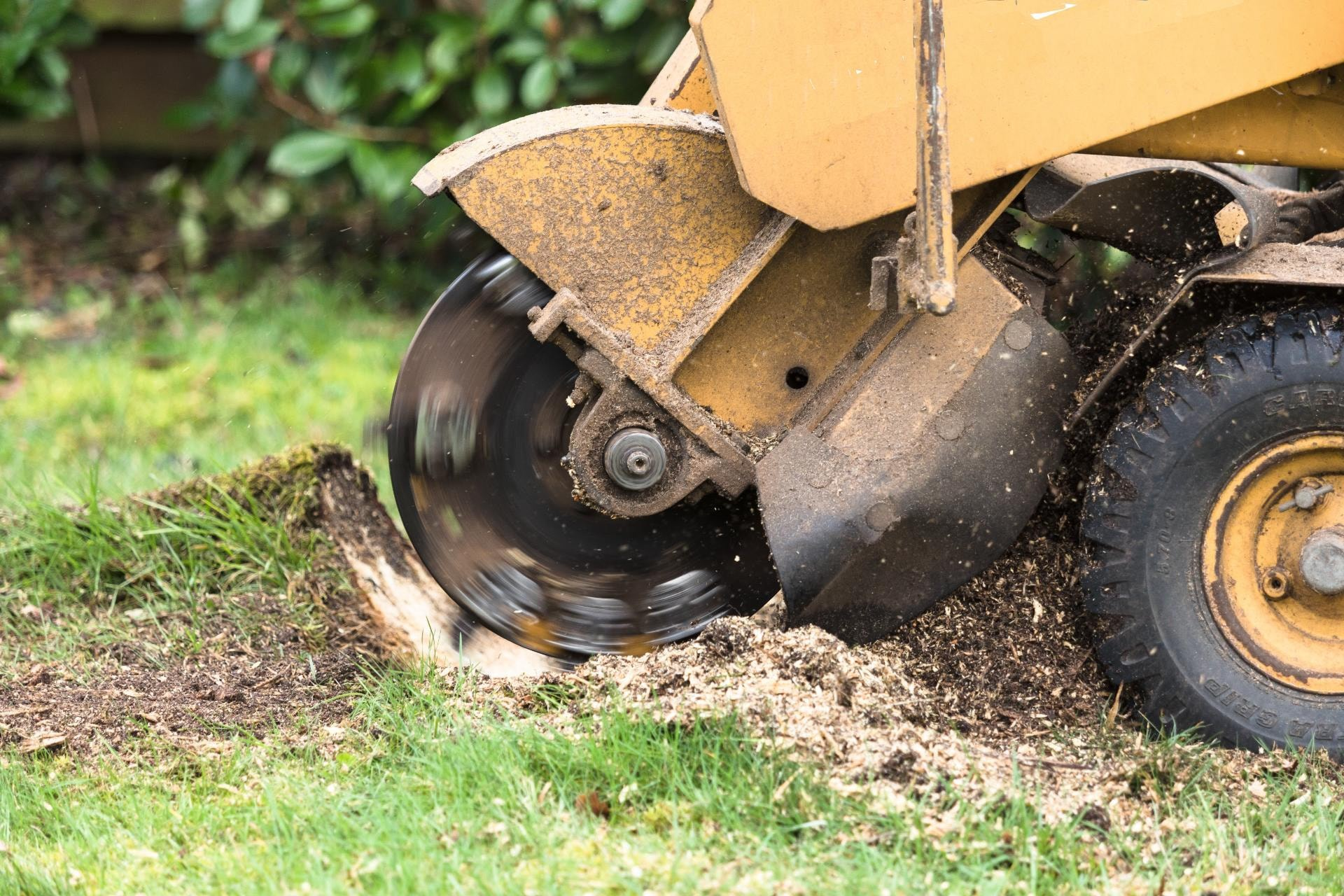
The wheel cuts in a bowl shape, so the deeper it goes, the wider the hole gets. Rocks, old concrete, buried debris and nearby utility lines can also cap how deep is safe. Next to a foundation, slab or retaining wall, the grinder has to stay back far enough not to undermine it, which limits depth on that side.
What Happens to Surface Roots
The big roots flaring out from the trunk, the ones you can see at the soil line, are usually ground along with the stump for a short distance out. Beyond that, surface roots running across the lawn can be ground out individually if you ask, following each one as far as is practical. Roots that run under a driveway, patio or foundation are generally cut at the edge and left alone, since digging them out could damage the structure above.
Grinding a long surface root leaves a shallow trench of chips along its path, not just a round hole at the stump. That's worth knowing before you ask for every root to be chased out. For a lawn, it usually makes sense to grind the roots that sit high enough to catch a mower blade or trip someone, and leave the deeper ones to decay on their own.
How Far Roots Spread From the Stump
Tree roots reach much farther than most people picture. They often extend well past the edge of where the canopy used to be, and most of them grow in the upper layer of soil rather than straight down. That's why a mature tree can leave roots under a lawn, a flower bed and part of the neighbor's yard, and why grinding focuses on the stump and the large roots right around it rather than trying to remove the whole system.
In Sacramento's clay soils, roots often stay especially shallow, because dense clay holds less air lower down. Expect to find them near the surface when you dig new beds or sprinkler lines in the years after a removal. Most can simply be cut with a pruning saw or loppers once they're dead.
Do Tree Roots Grow Back After Stump Grinding
For most trees, no. Once the trunk and root crown are gone, the roots can't make food and slowly die. Conifers such as pines and deodar cedars rarely sprout from their roots at all.
Some species are different. They can send up new shoots, called suckers, from roots well away from where the trunk stood. Trees known for this include:
- Poplars, cottonwoods and aspens
- Willows
- Black locust
- Tree of heaven
- Sweetgum
- Some plums, cherries and other fruit trees
- Coast redwood, which sprouts readily from any root crown left behind
How to Stop Suckers After Grinding
- Cut or mow suckers off at ground level every time they show up, rather than letting them grow.
- Keep at it through the growing season. Each new flush uses up energy stored in the roots, and steady removal wears them out.
- Grind out any remaining root crown if suckers keep coming from the old stump location.
- Be cautious with herbicides on suckers when other trees of the same kind grow nearby, since neighboring roots can be connected. If you use one, follow the label exactly.
How Long Roots Take to Decay
There's no single answer. Small roots break down fairly quickly, often within a year or two. Large roots can take many years, and dense woods like oak last longer than soft woods like poplar or willow. Moisture and warmth speed decay, so roots under a regularly watered lawn rot faster than roots under dry, compacted clay through a long Sacramento summer.
Decaying roots are part of a normal soil cycle. As they break down, they return organic matter to the soil and leave channels that water and new roots can follow. That's one reason grinding and leaving the roots in place is usually a better choice for a lawn or bed than digging up the whole root system.
Signs the Roots Are Breaking Down
You'll mostly notice decay as settling. The ground over old roots slowly drops, sometimes in a line that traces a big root across the yard. Mushrooms may pop up after winter rains. Both are normal parts of the process. Top off low spots with soil as they appear, and the ground will level out as the wood disappears. Our post on cleanup and lawn repair after stump grinding covers backfilling and topping off in more detail.
Mushrooms are only a concern when they point to a root disease that could affect trees you're keeping. Clusters of honey-colored mushrooms at the base of a living tree, or a nearby tree thinning and dying back, are worth having looked at.
Handling Surface Roots in a Lawn
Leftover roots near the surface make mowing rough and walking uneven. For roots from a tree that's already gone, you have a few options, from least to most work:
- Cover and reseed: Spread topsoil over the exposed roots, level it, and seed or sod. Expect some settling as the roots rot underneath.
- Turn it into a bed: Mulch over the root area and plant shrubs or ground cover so there's nothing to mow.
- Grind them out: Have the surface roots ground below grade, then fill with topsoil and replant the lawn.
Protecting Roots of Trees You're Keeping
Everything above applies only to dead roots. If the surface roots belong to a tree you're keeping, cutting, grinding or burying them under deep fill can injure or destabilize it. Because those roots are shallow and wide-reaching, work well away from the trunk can still hit them. When a neighboring stump is ground, the grinder should stay clear of the root zone of trees that remain.
Native oaks are especially sensitive to root damage, grade changes and added summer water. If you have a valley oak or live oak near the work area, talk with an arborist first, and check with your city or county before doing work that could affect a protected tree. Our post on tree removal permits and protected trees in Sacramento covers where to start.
Get a Free Estimate
Want a stump ground deeper, or surface roots taken out along with it? Call Environmental Tree Service at (916) 870-8154 or contact us for a free estimate on stump grinding.