Tree trimming you can do yourself covers more than most people think, and some of it is better done by you, a little at a time. But there's a clear line past which the risk to you, your house and the tree goes up fast. Here's where that line is, how to make the cuts on your side of it, and what to check before you hire someone to cross it.
Key Points
- Small branches you can reach from the ground and cut with hand tools are usually safe DIY work.
- A ladder, a chainsaw, a limb over something, or a power line nearby means call a professional.
- Cut just outside the branch collar, never flush with the trunk, and skip the wound paint.
- Before hiring anyone, confirm an active California contractor license and insurance, and get the scope in writing.
Trimming You Can Safely Do Yourself
The safe zone is simple: small branches, cut from the ground, with hand tools. If you can reach it with your feet on the ground and cut it with pruners, loppers or a hand pruning saw, it's usually a reasonable DIY job.
- Suckers sprouting from the base of the trunk or the roots
- Water sprouts, the thin vertical shoots that pop up along branches
- Small dead twigs and branches you can reach from the ground
- Low branches that brush your head on a walkway
- Small corrections on a young tree, like removing a second competing top
- Light annual work on fruit trees and small ornamentals
Don't take off more than you need, since every leaf helps feed the tree. On a young tree, a few well-chosen cuts each year beat one big session every few years. Our tree pruning basics for homeowners covers which branches to choose.
When to Do Your Own Trimming
Suckers, water sprouts and dead twigs can come off in any season. Structural cuts on deciduous trees and most fruit trees are easiest in winter, when the leaves are down and you can see what you're doing. In spring and early summer, look through the branches for bird nests before you cut, and leave any branch with an active nest alone until the young have left.
Tools for DIY Tree Trimming
You don't need much, but what you have should be sharp and clean. Dull blades crush and tear bark instead of cutting it.
- Bypass hand pruners: for live twigs up to about the thickness of a finger. The two blades pass like scissors and leave a clean cut.
- Loppers: long handles for branches a bit thicker than pruners can handle.
- A pruning saw: a curved hand saw for branches too thick for loppers.
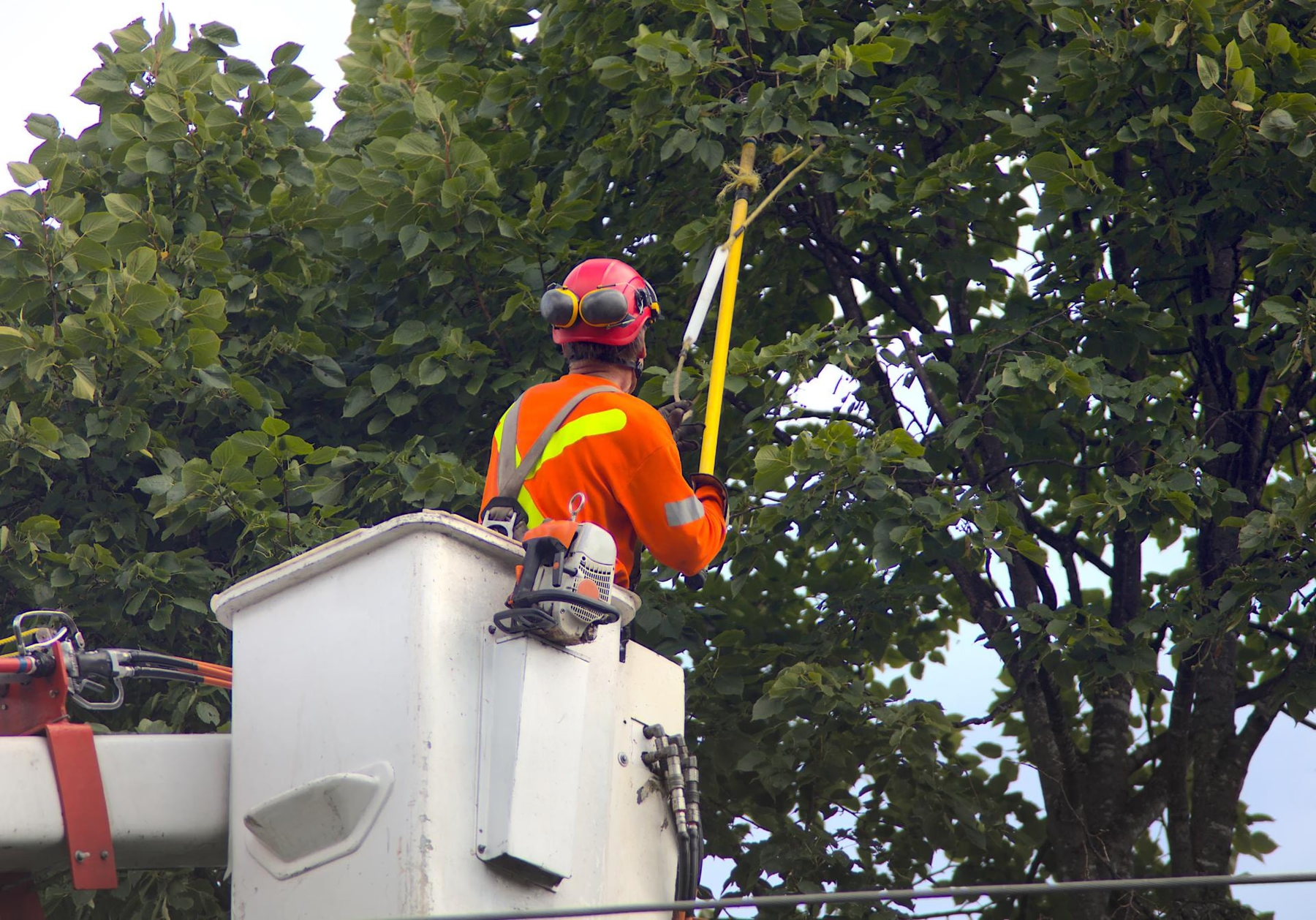
- A manual pole pruner: for small branches a little out of reach, used from the ground and never anywhere near a line.
- Gloves and eye protection: twigs spring back, and sawdust falls straight into your eyes when you cut overhead.
If you're cutting out diseased wood, wipe the blades with rubbing alcohol or a disinfectant between cuts and before moving to another tree, so you don't carry the problem with you. Leave the hedge shears for hedges. Shearing a tree's outer twigs creates a dense shell of new shoots and does nothing about the branches that actually need to come out.
How to Make a Proper Pruning Cut
Where you cut matters more than anything else you do. Look for the slightly swollen ring where a branch meets the trunk or a larger limb, called the branch collar. That's the tissue the tree uses to seal the wound. For any branch heavy enough that its weight could tear the bark, use the three-cut method:
- Make a shallow undercut on the bottom of the branch, a short distance out from the trunk.
- Make a top cut a little farther out than the undercut, and let the branch drop. The undercut stops the bark from peeling down the trunk.
- Make the final cut just outside the branch collar to remove the short stub that's left, without cutting into the collar.
For small branches you can hold in one hand, a single cut just outside the collar is enough. When you're shortening a branch rather than removing it, cut back to a bud or side branch that points where you want growth to go, usually outward and away from the center of the tree.
Don't cut flush against the trunk, and don't leave a stub sticking out. Skip the wound paint; trees seal cuts on their own. For the other common errors, see our guide to common pruning mistakes that damage trees.
Red Flags That Mean Call a Professional
Stop and call a pro when any of these are true:
- You need a ladder. Once your feet leave the ground, a swinging limb can knock you off. Never use a chainsaw on a ladder.
- The limb is over something. A roof, fence, car, pool, patio or your neighbor's yard means the limb has to be lowered in a controlled way, not dropped.
- It's near a power line. Stay away completely and call SMUD or PG&E, or a qualified line-clearance contractor.
- The cut is large. A limb too thick for a hand saw is heavier than it looks, and a big cut in the wrong place can open the tree to decay.
- The wood is dead, cracked or hanging. Dead limbs break unpredictably, and a broken branch caught in the canopy can drop without warning.
- The tree is leaning, splitting or lifting soil. These are structural problems that need an expert look, not a saw.
- It's a protected tree. Many native oaks are protected, so check with your city or county before heavy pruning.
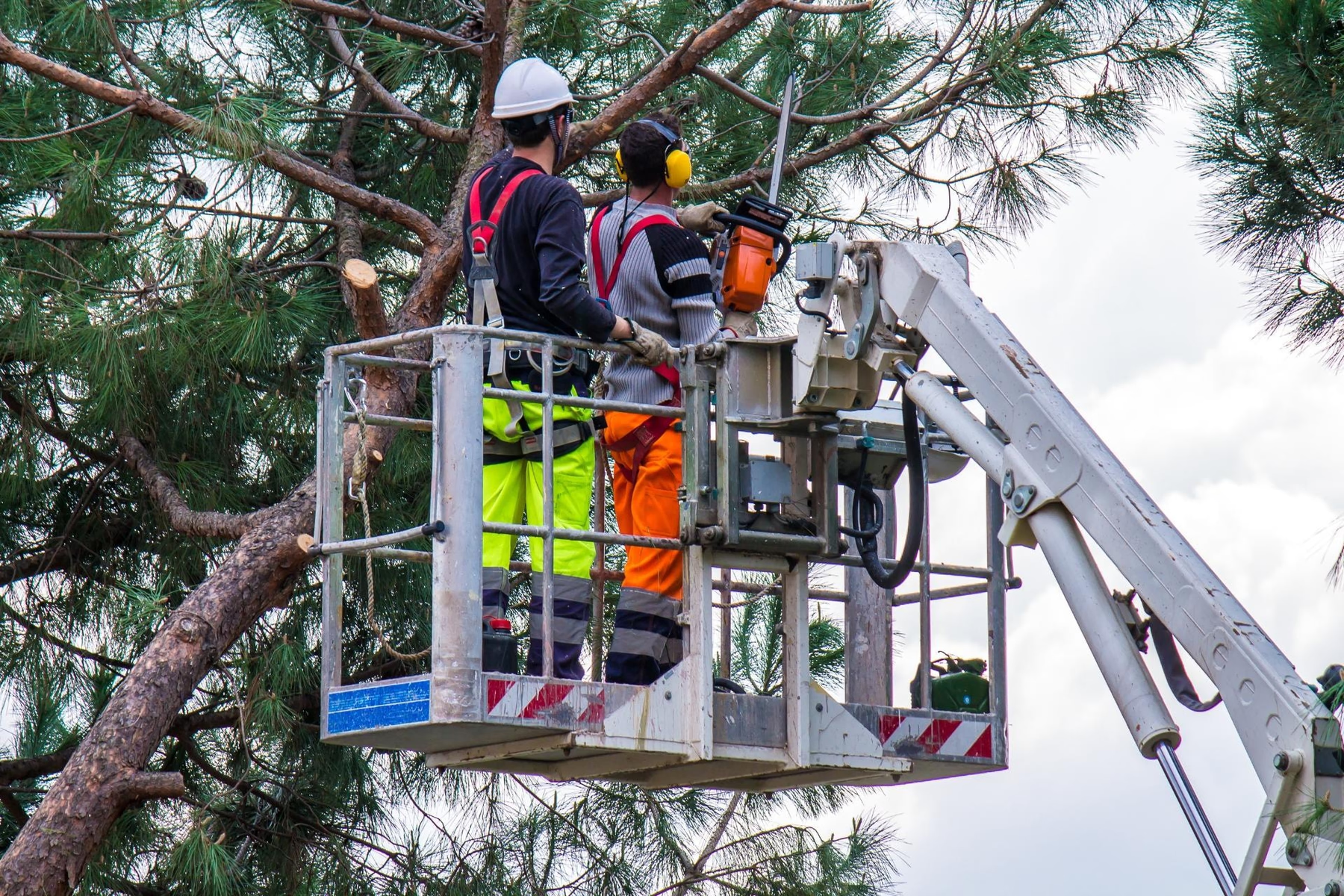
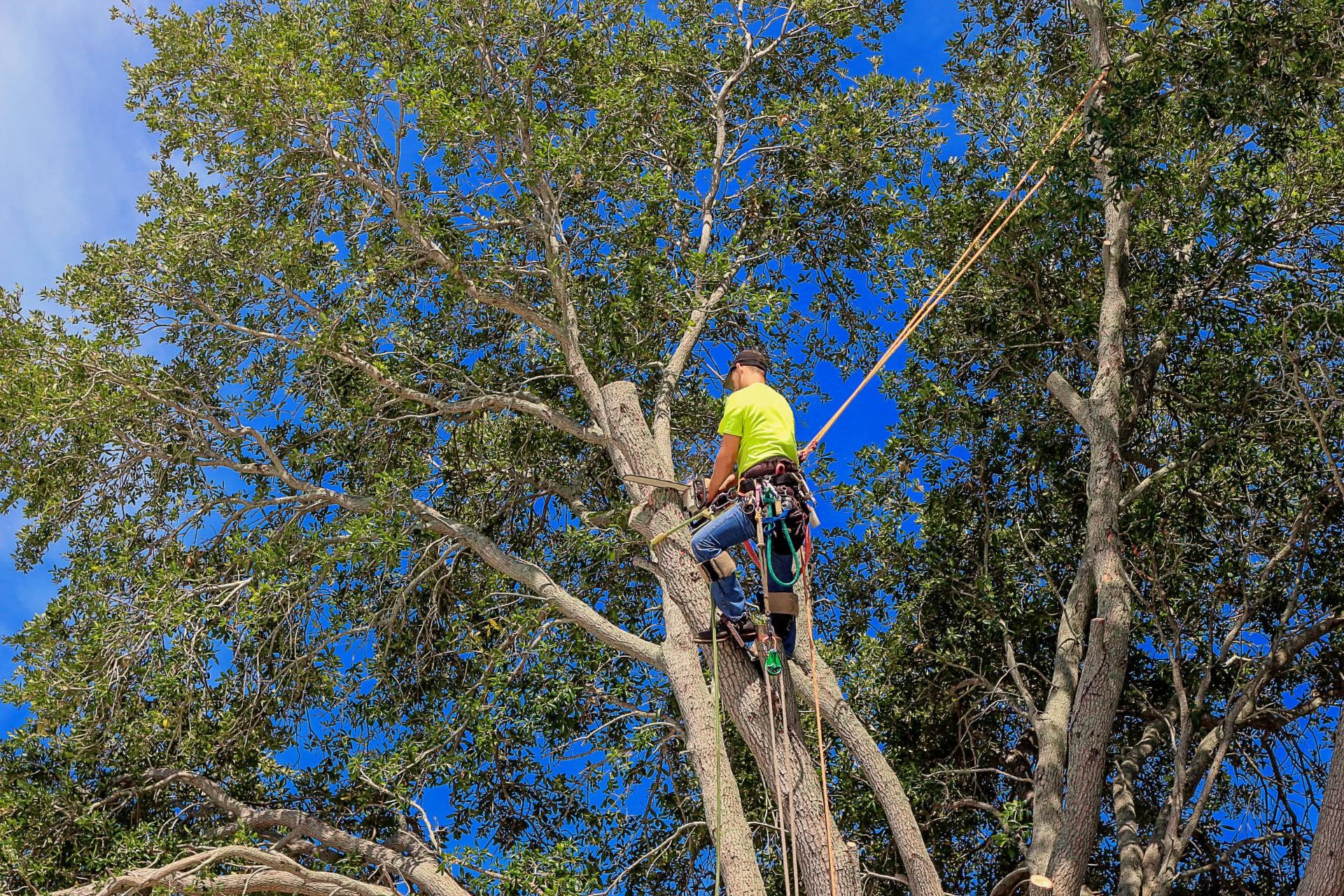
Professional crews handle these jobs with ropes and rigging to lower heavy wood, and with bucket trucks or cranes when a limb has to come out over a house. That equipment, and the training to use it, is most of what you're paying for. The rest is the part that's easy to underestimate: cutting, chipping and hauling away a full load of branches, and leaving the yard, roof and gutters clean. For anything above the ground, our tree trimming service is the safer route. Our post on trimming trees near your house, roof and power lines goes deeper on the highest-risk spots.
Storm Damage Is Never a DIY Job
Branches brought down by wind are often twisted or pinned under tension. When cut, they can spring back hard and fast, which is how experienced people get hurt. Leave broken limbs, uprooted trees and anything hung up in the canopy to a crew, and keep everyone out from under it. Our 24/7 storm damage service handles these calls.
What to Check Before Hiring a Tree Service
After every big storm, people with a chainsaw and a truck start knocking on doors. Some do fine work. Others leave damaged trees, damaged property, or an uninsured injury on your lot. Before you hire anyone, check these things:
- A California contractor license. Ask for the number and look it up on the Contractors State License Board website to confirm it's active.
- Insurance. Ask for proof of liability insurance, and workers' compensation if they have employees. If a worker is hurt on your property and the company isn't covered, you could be dealing with the fallout.
- A written estimate. It should name each tree, describe the work in plain words, and say what happens to the debris, wood and stumps.
- How they'll do it. Ask how heavy limbs over the house will be lowered and what equipment they'll bring.
- What they recommend. Be cautious of anyone who suggests topping a healthy tree, or who plans to climb a tree they're pruning (not removing) with spikes, which wound the trunk.
Other warning signs: pressure to decide on the spot, a price that changes once the crew arrives, and a request for most of the money before any work is done. A good company won't mind any of these questions. Environmental Tree Service is licensed and insured, California contractor license 937241, and every estimate is free. You can see the cities we cover on our service area page.
Get a Free Estimate
If your trimming job has crossed one of the red flags above, call Environmental Tree Service at (916) 870-8154 or send us a request.