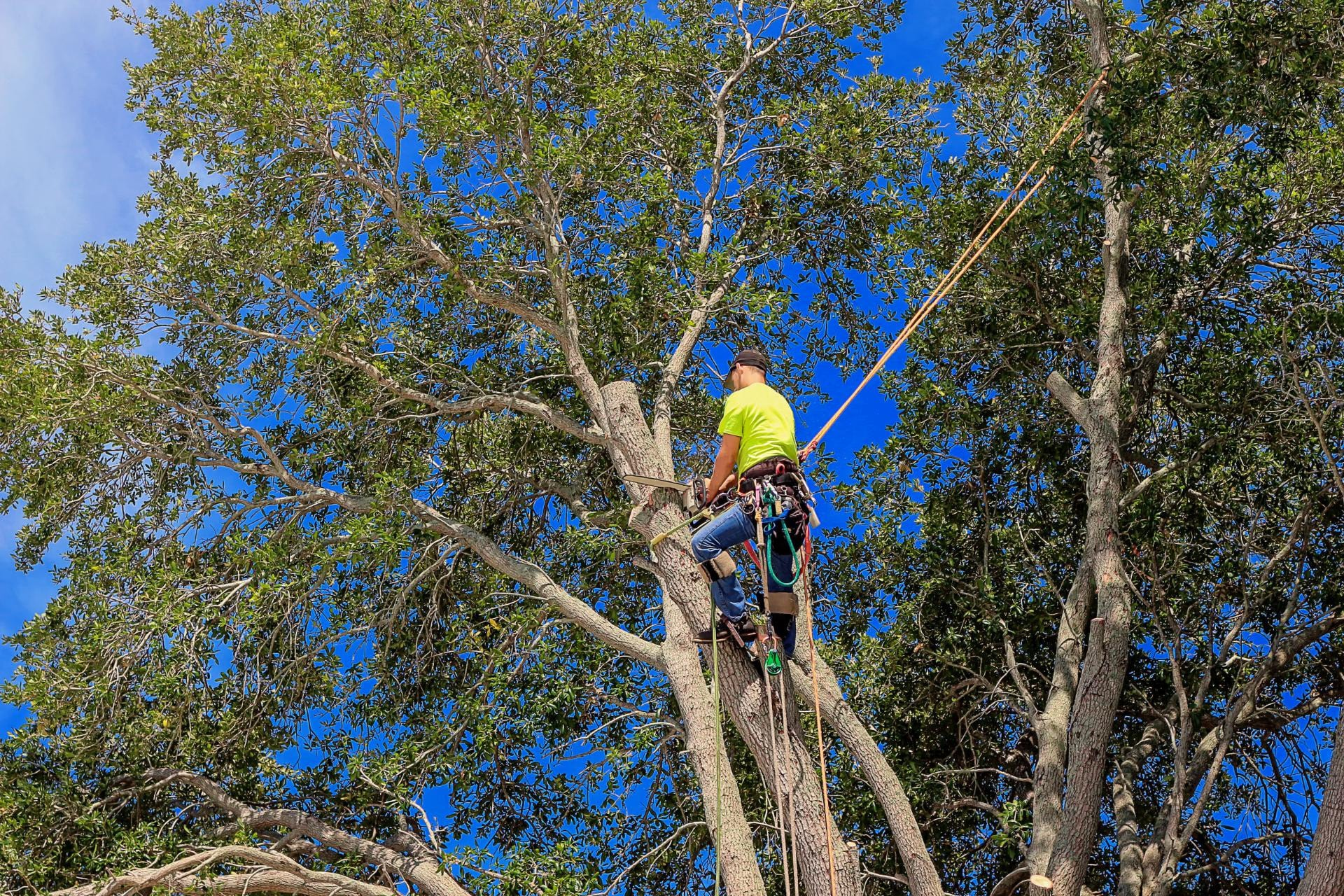
The best time to prune trees in the Sacramento area depends on the tree. Pruning at the right time means fewer disease problems, better flowers and fruit, and less stress on the tree. Here's how the pruning calendar works in the valley, which common trees break the usual rules, and a quick reference list you can come back to.
Key Points
- For most deciduous shade trees, the dormant season from leaf drop in late fall through late winter is the best time for real pruning.
- Prune spring-flowering trees right after they bloom, and crape myrtles in late winter before new growth starts.
- Apricots and cherries are pruned in summer after harvest, in dry weather, rather than in winter.
- Avoid heavy pruning during Sacramento's summer heat on almost any tree.
- Dead, broken or hazardous branches can come off any time of year.
Why Dormant-Season Pruning Is the Default
For most deciduous trees, the dormant season is the best general time to prune. That runs from leaf drop in late fall through late winter, before the buds break. It works well for several reasons:
- With the leaves gone, you can see the branch structure clearly and choose cuts well.
- The tree has already stored energy for spring, so it can begin closing wounds as soon as growth starts.
- Many insects and some fungal diseases are less active in cool weather.
- Sacramento's mild winters rarely bring the hard freezes that make winter work difficult elsewhere.
Light pruning, such as removing deadwood, a broken branch or a small limb that's in the way, can be done any time of year. Dead and hazardous limbs shouldn't wait for the calendar.
Can You Prune Trees in Fall?
Light fall pruning is fine, and fall is a sensible time to take dead or overextended limbs off before winter storms. Heavier pruning is better left until the leaves have dropped. In early fall a tree is still moving energy from its leaves into storage, and cutting a lot of live wood then takes some of those reserves with it. Once the leaves are down, the dormant window is open.
Pruning Before Storm Season
Sacramento's wet, windy winters are when weak limbs fail. If a large tree has deadwood over the house or long, heavy limbs that have outgrown their support, getting that work done in fall or early winter is worth more than waiting for the ideal month. Our post on reducing storm risk in large trees before winter covers what to look for.
When to Prune Flowering Trees
Spring Bloomers After Flowering
Trees that flower in early spring, such as flowering cherries, flowering plums and redbuds, set their flower buds the summer and fall before. Heavy winter pruning cuts those buds off, and the season's flowers go with them. If the bloom matters to you, do your shaping right after the flowers fade. Structural fixes can still be made in winter while the tree is bare, as long as you accept losing some blossoms.
Crape Myrtles in Late Winter
Crape myrtles bloom on new growth made in the current season, so late winter, before growth starts, is the right time to prune them. The tree then has the whole season to produce flowering shoots. Keep it light: remove suckers, crossing branches, weak twiggy growth and old seed heads within reach. Cutting every branch back to the same stubby height each year isn't needed for flowers and weakens the tree. Our crape myrtle page has more on caring for this Sacramento favorite, and our post on how to shape crape myrtle, Japanese maple and more covers shaping it well.
When to Prune Fruit Trees in Sacramento
Most home fruit trees, including apples, pears, peaches, nectarines and plums, are pruned while dormant in winter. That's when you shape the tree, remove crowded wood and set up next year's fruiting branches. A light summer pruning to remove water sprouts or shorten overly vigorous shoots is common too, and can help keep a tree at a size you can pick from the ground.
Apricots and cherries are the common exceptions in California. They're usually pruned in summer after harvest, because a fungal disease that infects fresh pruning cuts spreads during rain. Pruning in the dry season gives the cuts time to close before the wet weather arrives.
Citrus needs much less pruning than deciduous fruit trees. Remove dead wood, suckers from below the graft and branches that get in the way, and do it in late winter or spring once the risk of frost has passed. Avoid opening the canopy heavily, since citrus bark and fruit sunburn easily in valley summers.
Oaks, Evergreens and Other Special Cases
Oaks deserve some thought before any cutting. Many arborists prefer to prune them either in the dormant season or in the dry heat of midsummer, and to avoid spring, when the tree is pushing new growth on stored energy and more pests and diseases are active. Mature valley oaks and live oaks also respond poorly to heavy cuts at any time of year, so light, targeted pruning is the rule. Native oaks are protected in many Sacramento-area cities and the county, so check with your city or county before removing or heavily pruning one. Our valley oak page covers this tree in more detail.
- Pines: avoid pruning from spring into early summer, when fresh cuts and their scent can draw bark beetles. Late fall and winter are safer.
- Redwood and deodar cedar: these need little pruning. Deadwood and light clearance work can be done in the cooler months, and neither tree should ever be topped.
- Palms: remove dead fronds and spent flower or fruit stalks as needed, but leave the green fronds, which feed the palm. On Canary Island date palms, clean tools thoroughly between palms, because a serious wilt disease can spread on pruning tools.
- Chinese pistache, London plane, Chinese elm and Modesto ash: these common street and shade trees follow the dormant-season default.
Is It Bad to Prune Trees in Summer?
Light summer pruning is fine, but heavy summer pruning is a bad idea on most trees. Sacramento summers bring long stretches of triple-digit heat. Removing a lot of canopy at once suddenly exposes bark that has always been shaded, and thin-barked trees can sunburn. The tree also loses leaves it needs to feed itself while it's already stressed by heat and short on water, and fresh cuts have to be sealed with little energy to spare.
If a tree needs significant work, schedule it for the dormant season or a mild stretch of weather. The midsummer window for oaks is for light pruning, not big cuts. Removing a dead or broken limb that threatens people or property is always fine. If a tree that depends on irrigation does need summer work, water it deeply a few days before and keep up deep, regular watering afterward, and keep the work light so the tree holds on to most of its shade. Our post on common tree pruning mistakes covers what else goes wrong when pruning is badly timed.
Best Time to Prune by Tree Type
- Most deciduous shade trees (Chinese pistache, London plane, Chinese elm, Modesto ash): dormant season, late fall through late winter
- Crape myrtle: late winter, before new growth
- Flowering cherry, flowering plum, redbud: right after bloom
- Apple, pear, peach, nectarine, plum: dormant season, with optional light summer pruning
- Apricot and cherry: summer after harvest, in dry weather
- Citrus: late winter or spring, after frost danger
- Valley oak and live oak: dormant season or midsummer, light work only, avoid spring
- Pines: late fall and winter
- Redwood and deodar cedar: cooler months, very little needed
- Palms: dead fronds and old stalks as needed
- Any tree: dead, broken or hazardous limbs any time
For a month-by-month view that includes watering, mulching and storm prep as well as pruning, see our seasonal tree care calendar for the Sacramento Valley.
Book Pruning at the Right Time
Environmental Tree Service can schedule tree pruning in the right season for each tree on your property. Call (916) 870-8154 or request a free estimate.