Thinning your tree canopy is the most direct way to get light and air back into a yard that has slowly gone dark. Trees grow a little denser every year, and eventually the lawn underneath gives up, the vegetable bed stops producing, or the solar panels sit in shade half the afternoon. Careful trimming can fix that without costing you the tree or the shade you rely on in a Sacramento summer. Here's how it works and where the limits are.
Key Points
- Canopy thinning removes selected small live branches evenly through the crown, so light filters through while the tree keeps its shape.
- For most mature trees, remove no more than about a quarter of the live canopy in one season, and never strip the interior.
- Crown raising lets low-angle morning and evening sun reach the ground under the tree.
- For solar panels, find which tree shades them and in which season before cutting anything.
- Thin deciduous trees in the dormant season, and avoid heavy thinning in midsummer.
Why a Dense Canopy Causes Problems
A heavy canopy blocks light from everything below it and traps still, humid air inside it. Over time you tend to see:
- Thin, patchy lawn under and just outside the canopy
- Vegetables and flowering plants that grow leggy and bloom poorly
- Solar panels losing sun for part of the day
- Leaves that stay damp longer, which favors some leaf diseases
- More wind resistance in winter storms, since air can't pass through
None of this means the tree is unhealthy. It just means the tree and the rest of the yard are competing for the same light.
A quick test tells you whether density or low limbs is the real issue. Stand under the tree around midday and look up. If you can barely see patches of sky, the canopy is dense. If the midday light is fine but the lawn still struggles, watch where the shadows fall in the early morning and late afternoon. Low limbs are often the culprit then.
What Canopy Thinning Actually Does
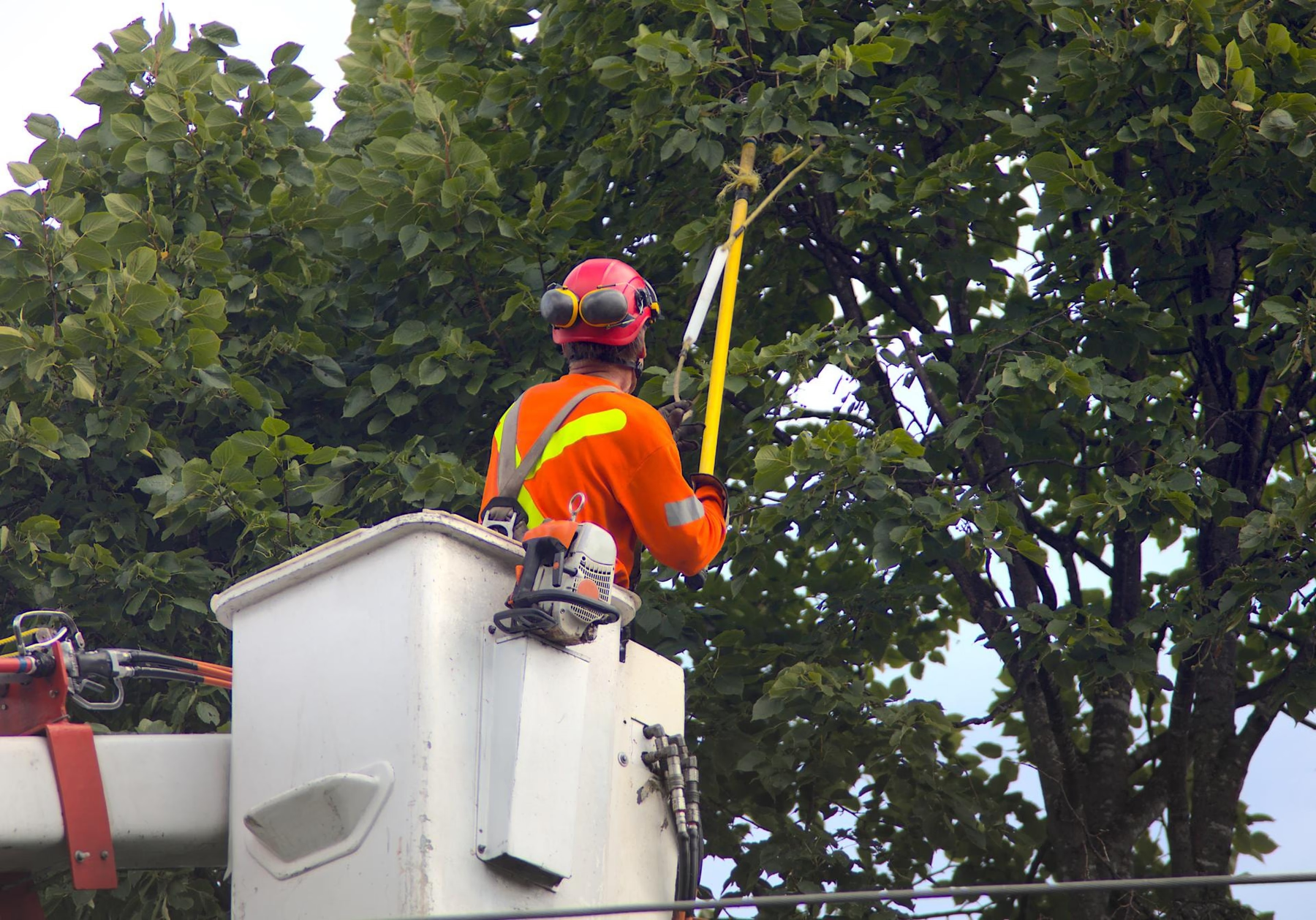
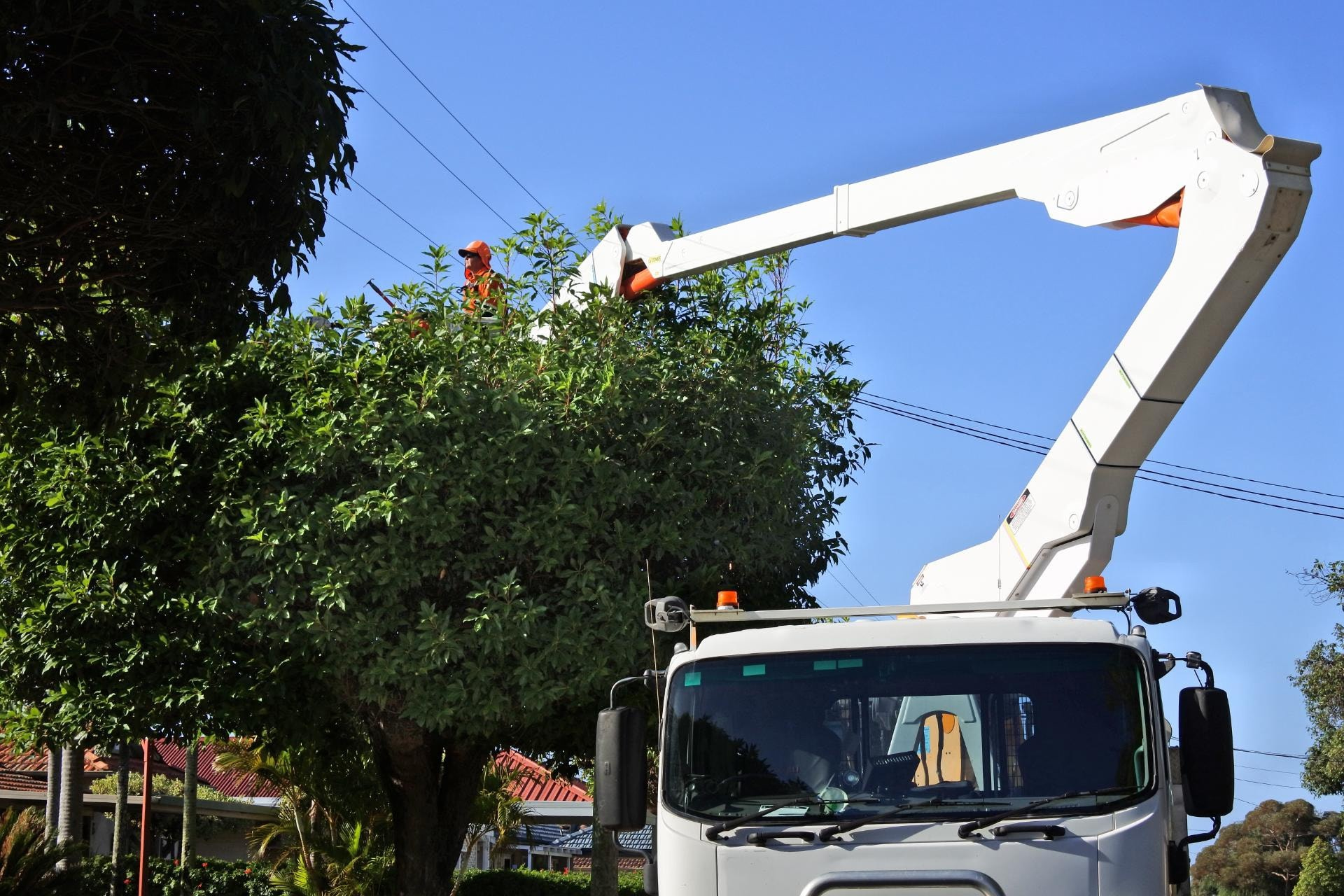
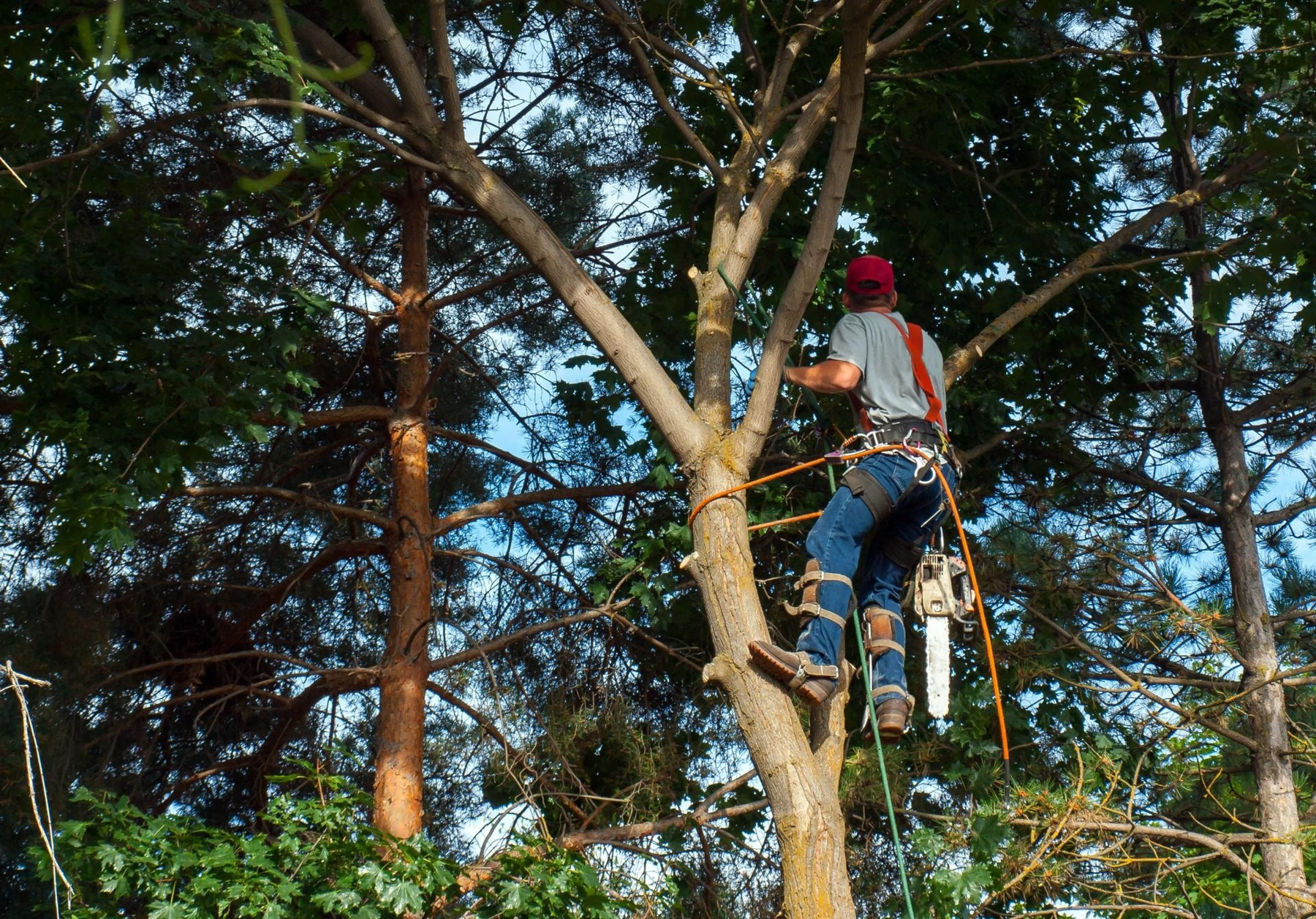
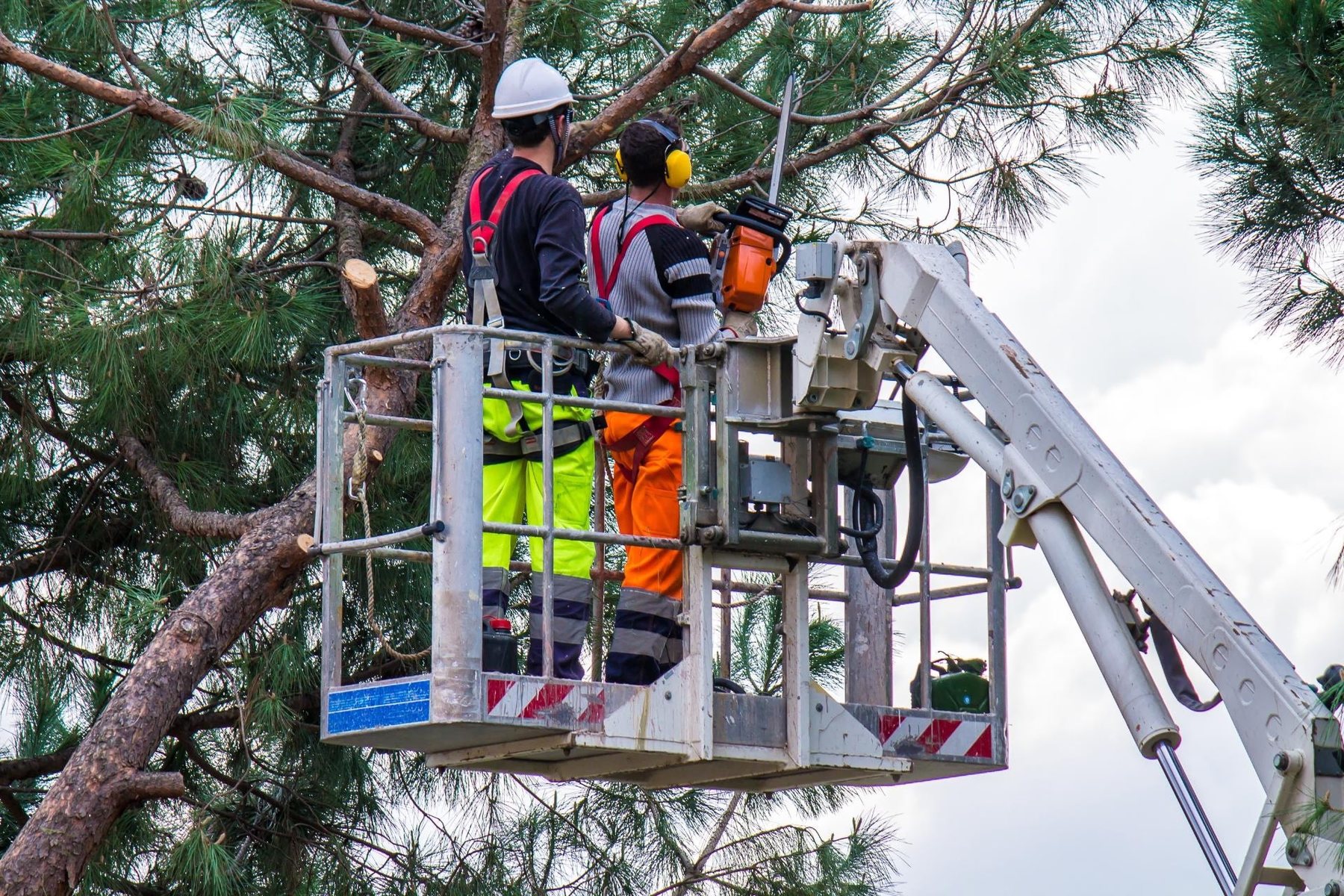
Thinning removes selected live branches, mostly smaller ones, spread evenly through the whole crown. The outline of the tree stays about the same, but light and air pass through the gaps, so you get dappled shade instead of a solid shadow. It's a standard part of our tree pruning work, and it's one of several techniques explained in our guide to trimming, pruning, thinning and crown raising.
The branches that go first are the ones the tree can best spare: dead and crossing branches, branches rubbing each other, and crowded shoots growing toward the center. After that, the crew picks smaller live branches spread evenly from the inside out, so no single area is stripped.
How Much to Remove
Keep it moderate. For most mature trees, that means removing no more than about a quarter of the live canopy in one season, and often less. Taking more at once forces the tree to push out a flush of weak, upright sprouts to replace the lost leaves, which makes the canopy denser within a couple of years. Our post on how trees respond to pruning cuts explains why.
Avoid Lion-Tailing
Don't strip the interior. Clearing out all the inner branches and leaving leaves only at the tips, called lion-tailing, puts all the weight at the ends of the limbs and makes them more likely to break. It also invites sunscald on the bare inner bark. A well-thinned tree still has small branches and leaves along the full length of each limb.
Which Trees Thin Well
Broadleaf shade trees such as Chinese pistache, London plane and Chinese elm respond well to moderate thinning, and so do most fruit trees, where an open center helps light reach the fruit. Native oaks should get light thinning only, focused on dead and crossing wood, and you should check with your city or county before heavy pruning on a protected oak. Pines and cedars are different: branches stripped of needles on the inside generally don't grow new ones, so they're usually limited to dead wood and light work. On a crape myrtle, thinning means removing suckers and crowded or crossing inner stems, not cutting everything back.
Raising the Crown for Light Underneath
Sometimes the problem is the lowest limbs, not the density. Morning and late-afternoon sun comes in at a low angle, and low branches block it before it reaches the ground. Removing a few of the lowest limbs, called crown raising, can let that angled light reach the lawn or beds while keeping the upper canopy that shades the house at midday.
Raise gradually. Taking off too many lower limbs at once leaves a tall, top-heavy tree with a bare trunk, and the lower limbs help the trunk grow strong. A good crew will remove the few branches that matter most for light and leave the rest.
Will Thinning a Tree Help Grass Grow Under It
Often it helps, but it has limits. Thinning and raising can bring a struggling lawn back where the shade is moderate. Right next to the trunk of a big shade tree, grass also competes with tree roots for water, and many turf grasses simply need more sun than any healthy canopy will let through.
- Grasses differ in how much shade they tolerate. Tall fescue generally handles partial shade better than bermudagrass.
- Where grass keeps failing, a wide ring of mulch or a shade-tolerant groundcover is better for the tree and less work for you.
- Under native oaks, skip the lawn entirely. The regular watering turf needs can cause root problems in oaks adapted to dry summers.
- Avoid piling soil over the roots to level or reseed. Even a few inches can harm them.
Trimming Trees Around Solar Panels
Start by working out which trees actually shade the panels, and when. The winter sun sits low in the southern sky, so a tree south of the house that barely touches the panels in June may cover them in December. Watch the shadows at a few times of day, or ask your solar installer for a shade report if they have one.
Once you know the culprit, the options usually run from light to heavy: thin the part of the canopy in the sun's path, reduce the limbs reaching over the roof by cutting them back to healthy side branches (see tree reduction), or, when a tree simply can't be cut back enough without harm, remove it. Topping is never the answer. It creates dense regrowth that shades the panels again within a few years.
If removal is the right call, Environmental Tree Service plants a new tree for every tree it removes at no additional cost. That's a chance to put shade where you want it, such as the west side of the house, away from the panels. When you're weighing that choice, our guide on whether to reduce or replace a tree that has outgrown your yard can help.
Keeping the Shade You Want
In a Sacramento summer, shade on the west and south sides of the house is worth a lot of comfort. Before any thinning, decide which shade you want to keep and say so. Deciduous trees like Chinese pistache, London plane and Chinese elm are especially useful here: thinned lightly, they shade the house in summer and let winter sun through once the leaves drop.
Timing matters too. Most thinning of deciduous trees is best done in the dormant season, when you can see the structure. Avoid opening up a canopy heavily in midsummer, because bark that has been shaded for years can sunburn when suddenly exposed to full afternoon sun.
Questions to Ask Before You Thin a Tree
- Which branches will come out, and how much of the live canopy is that?
- Will the tree keep leaves and small branches along the inside of each limb?
- Is thinning, raising or reduction the best fit for the light I'm trying to get back?
- Which parts of the tree shade the house in summer, and will they stay?
- Is now the right season for this tree, or should the work wait for winter?
Get a Free Estimate
If your yard needs more light, Environmental Tree Service can recommend the right mix of thinning, raising and reduction in a free estimate. Call (916) 870-8154 or contact us.