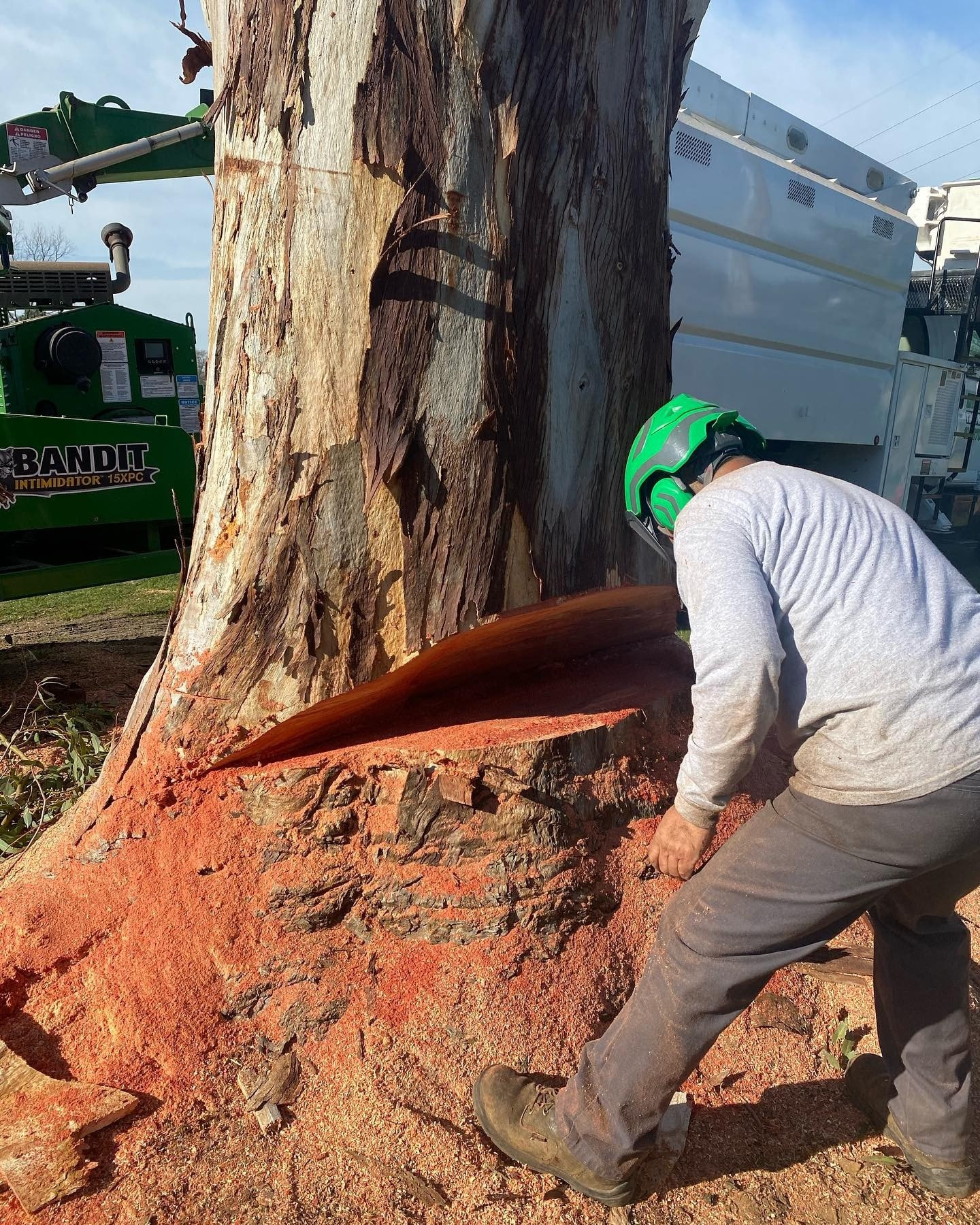
If you've never had a tree removal done, the process can feel like a mystery. This post walks through a typical job from the first estimate to the final cleanup, so you know how to prepare, what you'll see on the day and what's left when the crew drives away.
Key Points
- It starts with a free estimate, which is the time to ask what's included and point out anything you want protected.
- Before the day, clear the work area and the path to the street, tell your neighbors and keep pets inside.
- Expect a marked work zone, loud saws and a chipper, and a crew that stops if anyone walks into the drop area.
- Wood and debris are usually hauled away. The stump stays unless you've arranged grinding.
- Walk the yard with the crew at the end so any concerns are handled before they leave.
The Estimate
It starts with a site visit. The estimator looks at the tree's size, condition and lean, what's underneath it, and how equipment will reach it. This is the time to mention anything that matters to you: a sprinkler system, a septic tank, a fragile fence, plants you want protected, or whether you'd like to keep some of the wood.
Ask what the estimate covers. Good questions include:
- Is hauling away all the wood and debris included?
- Will the stump be left, cut low or ground out?
- Will a bucket truck or crane be needed, and where will it park?
- How will you protect the lawn, driveway and planting beds?
- Does the tree need a permit from the city or county before it comes down?
- What happens if the weather isn't safe on the scheduled day?
Get the scope in writing, including which trees are being removed. If there are several trees, mark the ones that are going with tape or ribbon so there's no confusion on the day. Environmental Tree Service offers free estimates for tree removal, so there's no cost to get these answers before you decide.
How to Prepare for a Tree Removal
Once you approve the work, you'll get a date. Weather can move it, since high wind or heavy rain can make a removal unsafe, especially one that uses a crane. Work through this checklist in the days before.
A Week Before
- Tell your neighbors: let them know the date, especially if the tree is near the property line, its branches hang over their yard or the crew needs to work from their side.
- Check with your HOA: some associations want notice before tree work or have rules about equipment on common areas.
- Mark hidden features: flag sprinkler heads, drip lines, low-voltage lighting, septic lids and anything else buried near the tree or along the path to it.
- Mention any nests: if you know of a beehive or wasp nest in the tree, tell the crew ahead of time.
If the trunk sits right on the property line, the tree may belong to both you and your neighbor. Talk it through and get their agreement in writing before the work is scheduled, rather than on the morning of the job. The same goes for any work that needs the crew to stand, park or drop wood on a neighbor's property.
The Day Before
- Move your things: cars, patio furniture, grills, potted plants, toys and anything else near the tree or along the path to the street.
- Plan parking: the crew needs room for a truck and chipper, and a crane needs more. Ask neighbors to keep the curb clear if you can.
- Open access: open gates and share any gate codes so the crew can reach the backyard without waiting on you.
- Turn off irrigation: soggy ground is harder to protect, and a sprinkler cycle in the middle of the job helps no one.
The Morning Of
Keep pets inside, since the noise and falling debris are stressful and unsafe for dogs and cats. Close windows on the side of the house near the work, and bring in anything you forgot to move the day before.
The Crew's Setup
When the crew arrives, they'll walk the site, confirm the plan with you and set up a work zone. Expect cones or tape around the drop area, ground protection over lawn or pavers where equipment will travel, and the chipper parked near the street. The crew checks the tree and the rigging before anyone climbs or a bucket goes up. If you have questions about the plan, ask them now, before cutting starts.
Do You Need to Be Home
It helps to be there at the start to confirm which trees are coming out and answer questions, and again at the end for a final walkthrough. In between, you don't need to watch. If you can't be home, make sure the crew can reach the work area and has a phone number to call you.
Noise, Chipping and the Work Itself
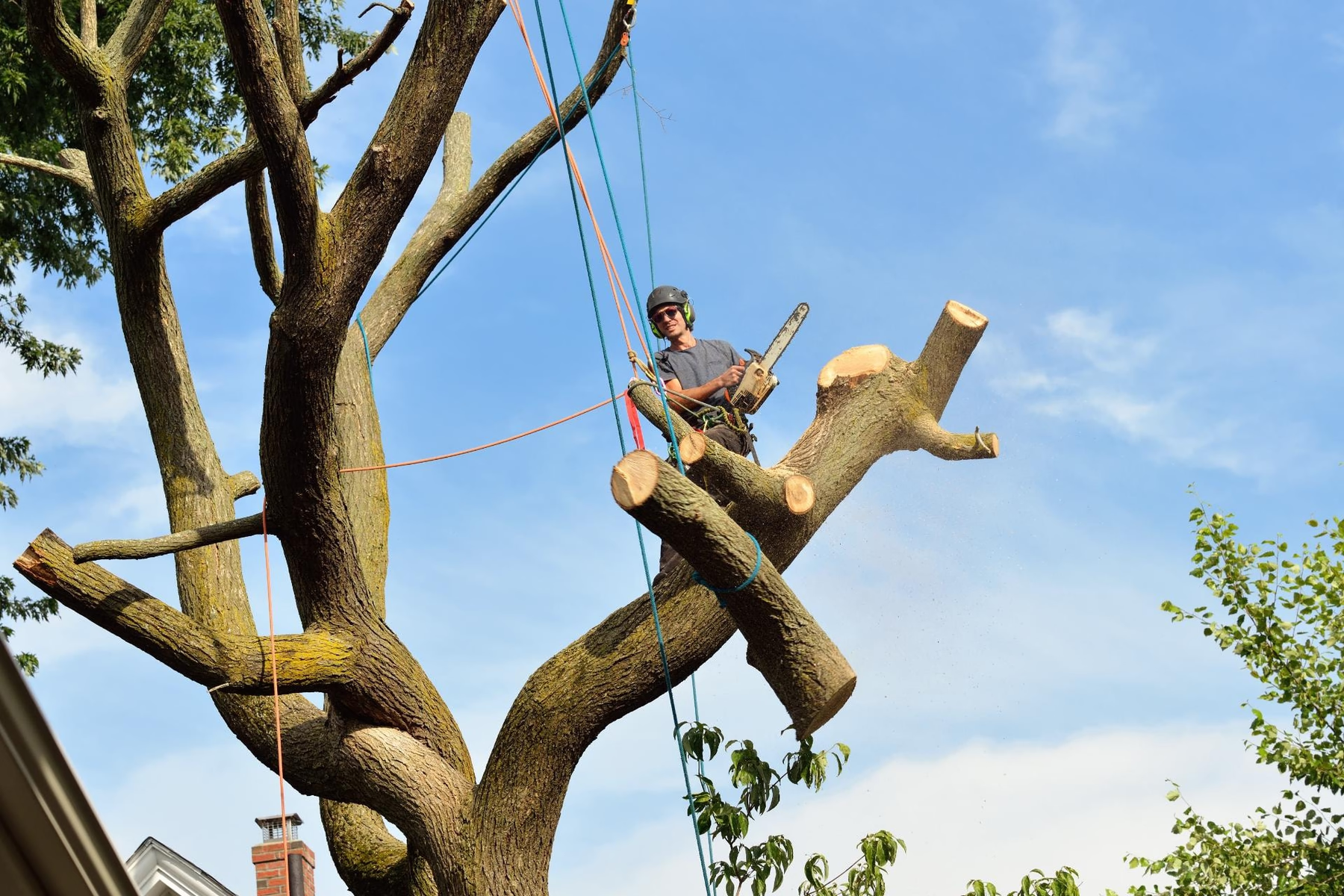
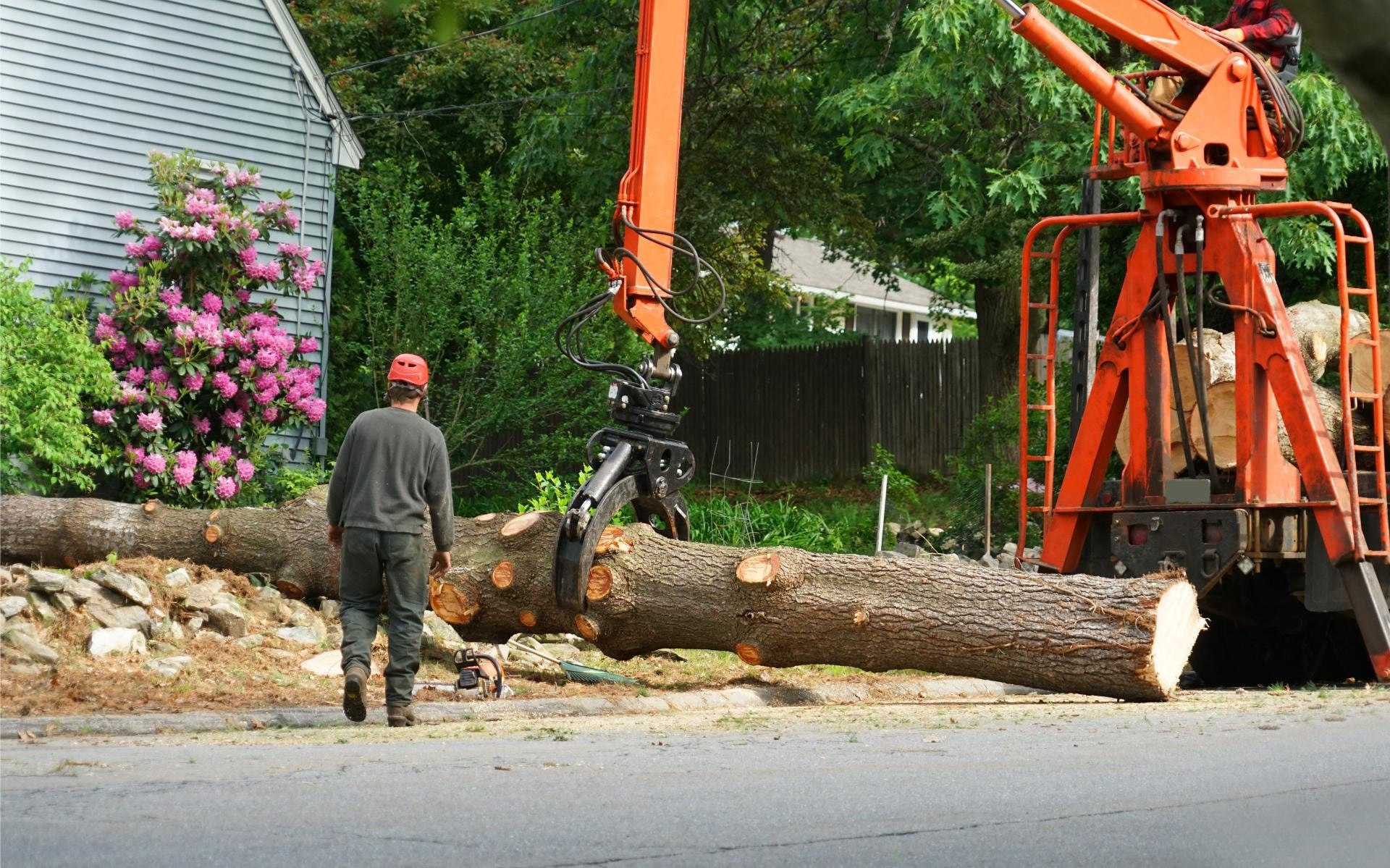
Tree removal is loud. Chainsaws and the chipper run for much of the job, so give a heads-up to anyone working from home nearby. Branches go into the chipper as they come down, and larger trunk sections are cut into rounds to be hauled away or left for you, depending on what you agreed to.
How long it takes depends on the size of the tree, how close it stands to buildings and whether it has to come down in sections. A smaller tree with open access can go quickly. Large trees, trees over roofs and crane jobs take longer, and some jobs run more than one day. If you're curious how the crew decides between felling, rigging and a crane, see how professionals take down a tree safely.
Stay outside the marked area while the crew works, even if you'd like to watch. Falling wood and moving ropes are the real hazards on a job site, and the crew will stop work if someone walks into the zone.
Cleanup and the Final Walkthrough
At the end, the crew rakes and blows off debris, pulls up the ground protection and loads out the wood and chips. If you asked to keep chips, firewood or logs, they'll be left where you agreed. Our post on what happens to the wood after a tree removal covers the options.
Before the crew leaves, walk the yard together and check:
- Lawn, beds and hardscape along the path the crew used.
- Sprinkler heads and irrigation lines near the tree.
- Fences, gates and anything close to the drop zone.
- Gutters and roof edges near where the tree stood.
- Leftover sawdust, twigs or small wood in hard-to-reach corners.
If you spot a problem, point it out while the crew is still there, when it's easiest to fix. A flattened sprinkler head or a patch of scuffed lawn is common on a big job and simple to sort out. Lawn areas that were covered with plywood or mats may look pale or pressed for a week or two, then recover with normal watering. Ruts in wet winter clay can be raked level once the soil dries out a little.
The Stump and Replanting
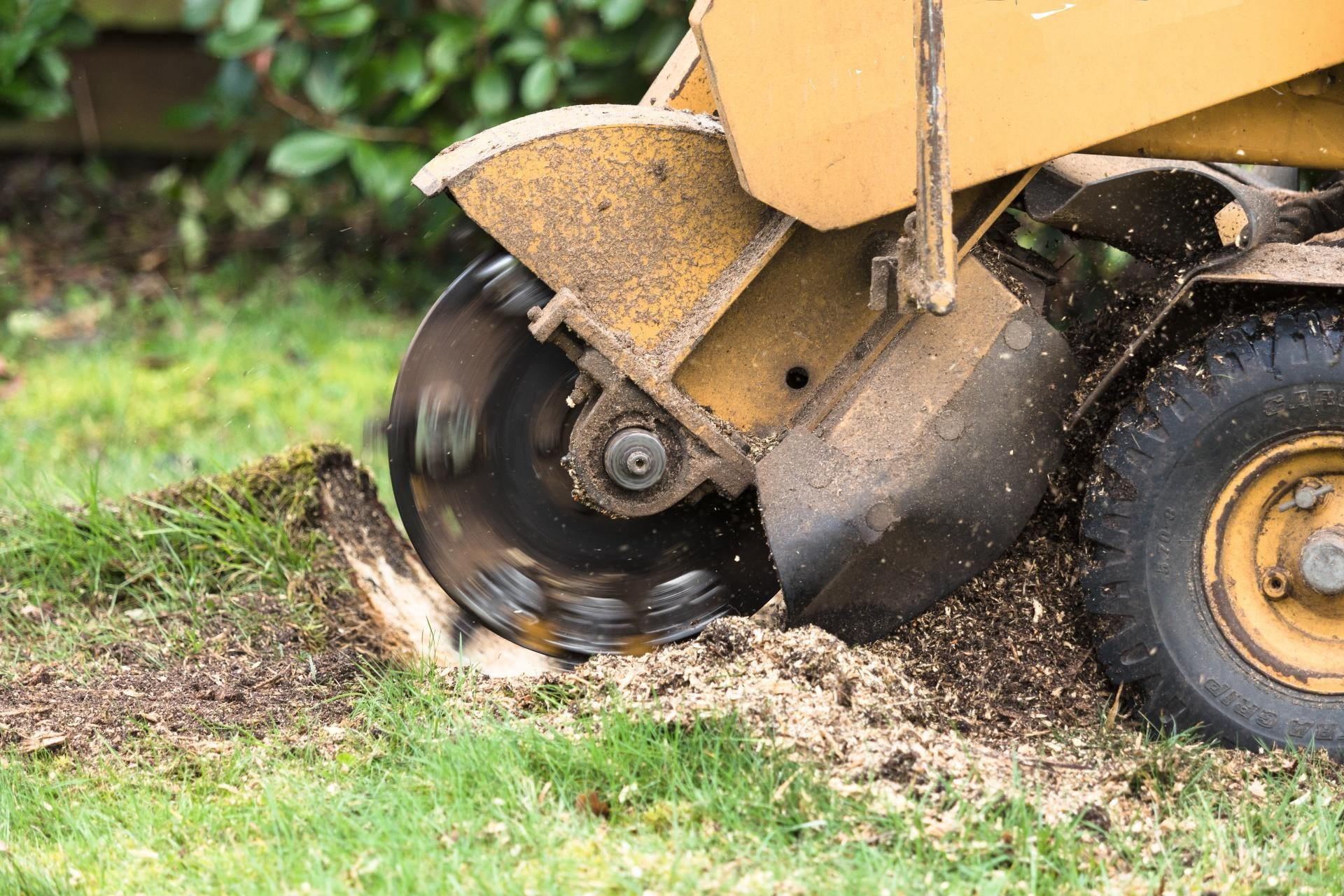
What remains is the stump, cut close to the ground, unless you asked for grinding. A stump can send up new shoots, draws insects as it decays and gets in the way of mowing or replanting, so many people add stump grinding to the same job. The grinder chews the stump and its main surface roots down below the soil line, and the hole is usually backfilled with the grindings. For tips on the yard afterward, read cleaning up after stump grinding.
If you plan to replant, Environmental Tree Service plants a new tree for every tree it removes at no additional cost, so ask about tree planting during your estimate. A new tree usually does better a little away from the old stump. Our guide on how to replant where a tree used to be explains why.
Book Your Free Estimate
Ready to have a tree removed, or just want to know what your job would involve? Call (916) 870-8154 or request an estimate online.