Tree removal before construction goes most smoothly when it's planned alongside the project, not squeezed in the week before the excavator arrives. This post covers how to plan removal for a pool, addition, ADU, solar array or driveway, how to decide which trees to keep, how to protect them, and how to fit tree work into the schedule with your other contractors.
Key Points
- Bring in a tree service while the design is still on paper, so permits, design tweaks and access can be sorted out early.
- A tree outside the footprint can still be badly damaged by digging, trenching, grade changes and compacted soil.
- Fence off the root zones of trees you're keeping before any equipment arrives, and leave the fencing up until the project is done.
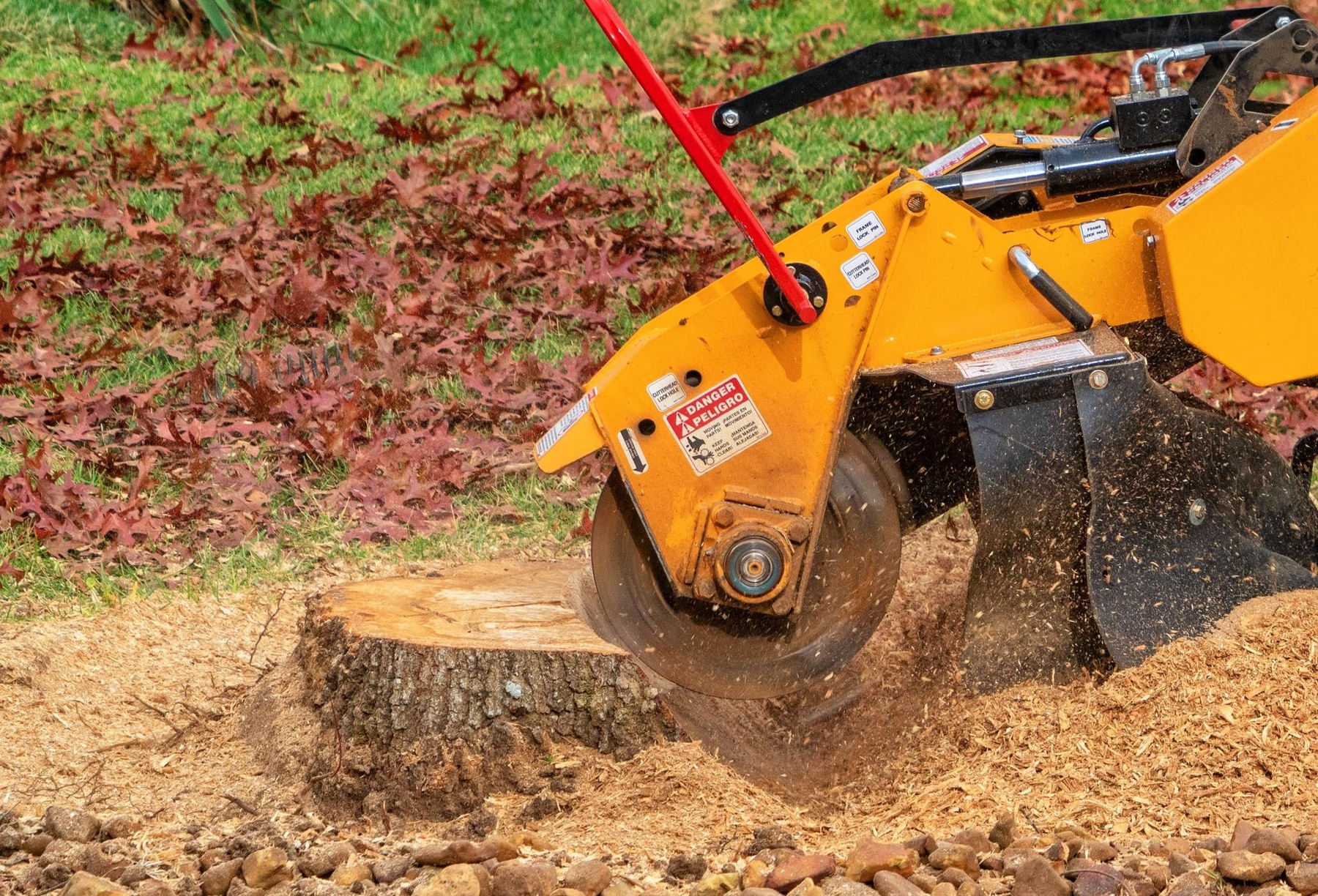
- Remove trees and grind stumps inside the footprint before grading, while there's still open access.
- Plant new trees last, after heavy work and final grading are finished.
Plan Tree Removal Before Construction Starts
The best time to think about trees is while the project is still on paper. Walk the site with your plans and mark which trees sit inside the footprint, which are close enough to be affected, and which will shade the finished project. Bring in a tree service before the design is final, not the week before the excavator shows up.
Early planning helps in several ways:
- Permits: native oaks and some large trees are protected in many Sacramento-area cities and in the county. Check with your city or county before you commit to a design that removes one, since approval can take time. Our guide to tree removal permits and protected trees in Sacramento explains how to check.
- Design changes: shifting a pool or driveway a few feet can sometimes save a tree that's worth keeping.
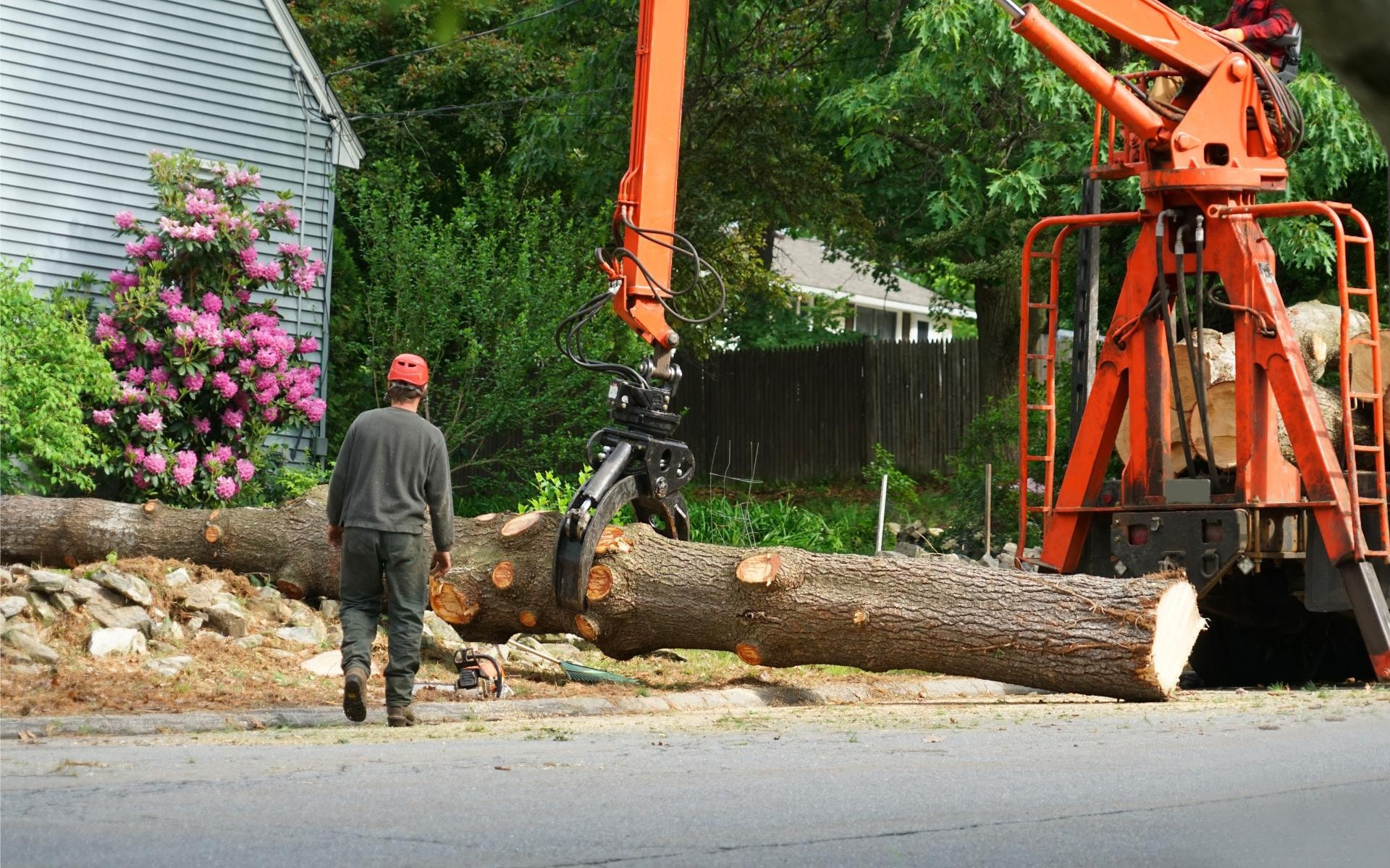
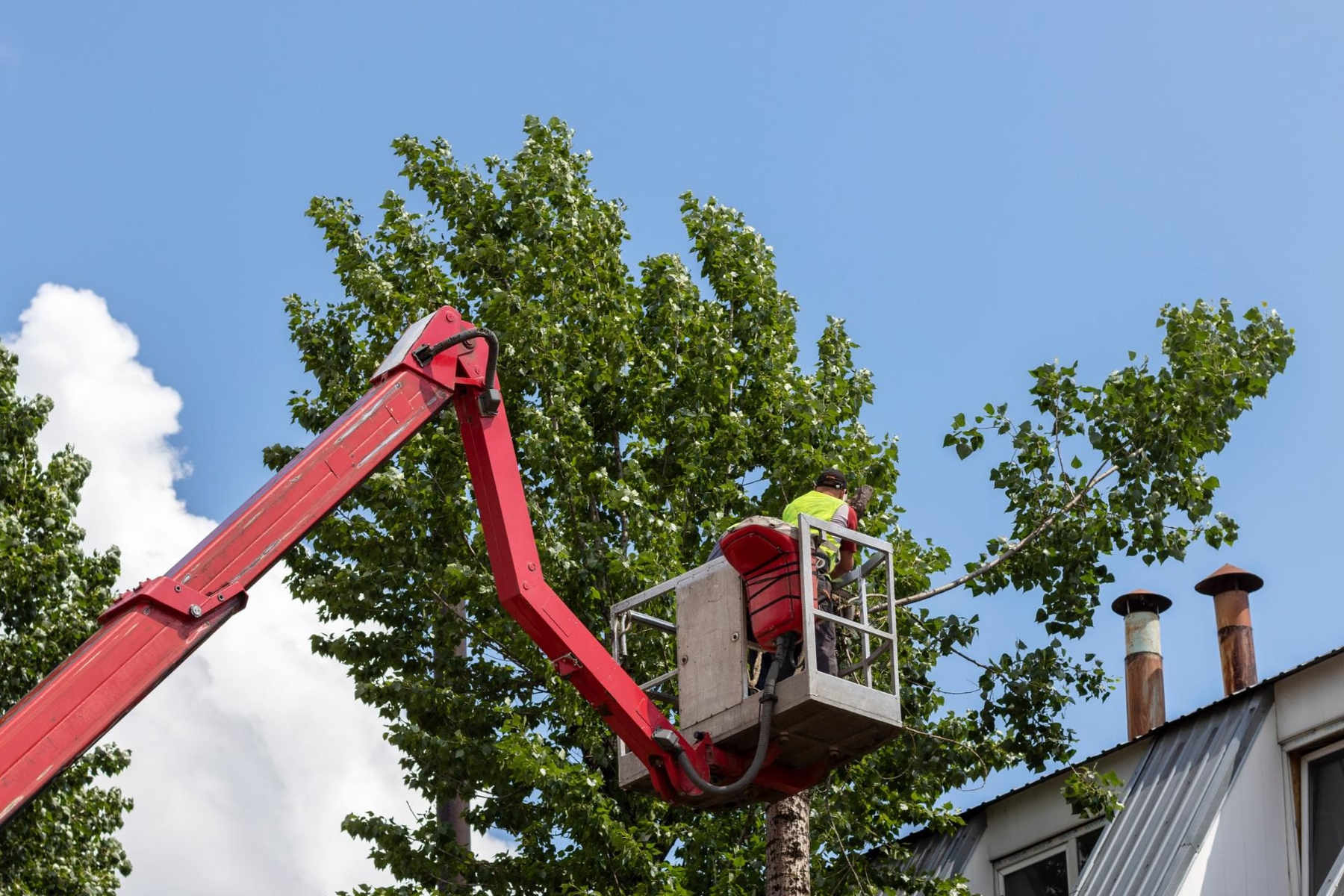
- Access: it's much easier to reach a tree with a crane or bucket truck before fences, forms or new hardscape are in the way.
- Budget: removal, stump work and root protection can be built into the project budget from the start instead of showing up as a surprise.
- Building plans: if your project needs a building permit, the city or county may ask how existing trees are shown on the site plan, so it helps to know which ones are staying.
What Different Projects Need
Pools
Excavation cuts through roots, so a tree near the dig can be damaged even when it's outside the footprint. Stumps inside the footprint should be ground out, and large roots removed where needed, so they don't rot and leave voids under a deck. Think about the finished pool too: a tree that drops leaves, flowers or fruit over the water all season means more skimming and filter cleaning.
Room Additions
Additions bring the house closer to existing trees, so check both roots and branches. Limbs that will hang over the new roof may need to be pruned back or the tree removed, and a large tree close to a new foundation can keep causing trouble as it grows.
ADUs and Driveways
New slabs and paving need firm, compacted ground. Old roots decay and settle, and a tree left too close to new concrete can lift it as its roots grow. Judge a tree by its mature size, not just the size it is today. Backyard ADUs also tend to be built where there's the least access, so removing trees before the new structure blocks the way can make the job much simpler.
Solar
Panels need sun for most of the day. A tree to the south or west of the array may be healthy and well placed, yet shade the panels for years. Sometimes tree reduction or selective pruning solves the shade problem without removal, so ask before you decide. Our post on whether to reduce or replace a tree that has outgrown your yard covers the trade-offs.
Deciding Which Trees to Keep
Not every tree near the work has to go, and not every tree is worth the effort of protecting. A tree service can help you sort them by looking at a few things:
- Health today: a tree already in decline rarely survives construction stress. A vigorous tree has a much better chance.
- How much of the root zone is affected: losing roots on one side is very different from having digging on two or three sides.
- Age and species: young trees usually handle root loss better than old ones. Mature native oaks are especially sensitive to grade changes, compaction and summer watering changes around their roots.
- Mature size: a tree that will outgrow its space next to the new structure is a future problem, even if it survives the build.
- Value to the finished project: shade on a west-facing patio or screening from a neighbor can be worth working around.
Protecting the Trees You Keep
Construction damage is one of the most common reasons a tree declines a few years after a project wraps up. Most of a tree's roots grow in the top foot or two of soil and spread well past the edge of the canopy. Heavy equipment compacts that soil, especially the clay soils found in much of the valley, and trenching cuts the roots a tree depends on to get through a Sacramento summer.
To protect the trees you're keeping:
- Put up fencing around each tree's root zone before work begins, ideally out to the drip line or beyond, and leave it in place for the whole project.
- Keep vehicles, materials, fuel, concrete washout and soil piles out of that zone.
- Route utility and irrigation trenches around root zones, or bore under them, instead of cutting straight through.
- Avoid raising or lowering the grade around the trunk.
- When a large root has to go, have it cut cleanly by hand rather than torn by an excavator.
- Water protected trees through the dry months, since a damaged root system can't keep up with summer heat.
Branches that hang over the work area can be pruned for clearance ahead of time, which is far better than letting equipment break them. Make sure every contractor on site knows the fencing is there for a reason. A single delivery truck parked under a tree for an afternoon can undo weeks of careful protection.
Sequencing Removal With Other Contractors
Tree work usually comes first, but the order within it matters. A typical sequence:
- Confirm permits for any protected trees.
- Install root protection fencing around the trees you're keeping.
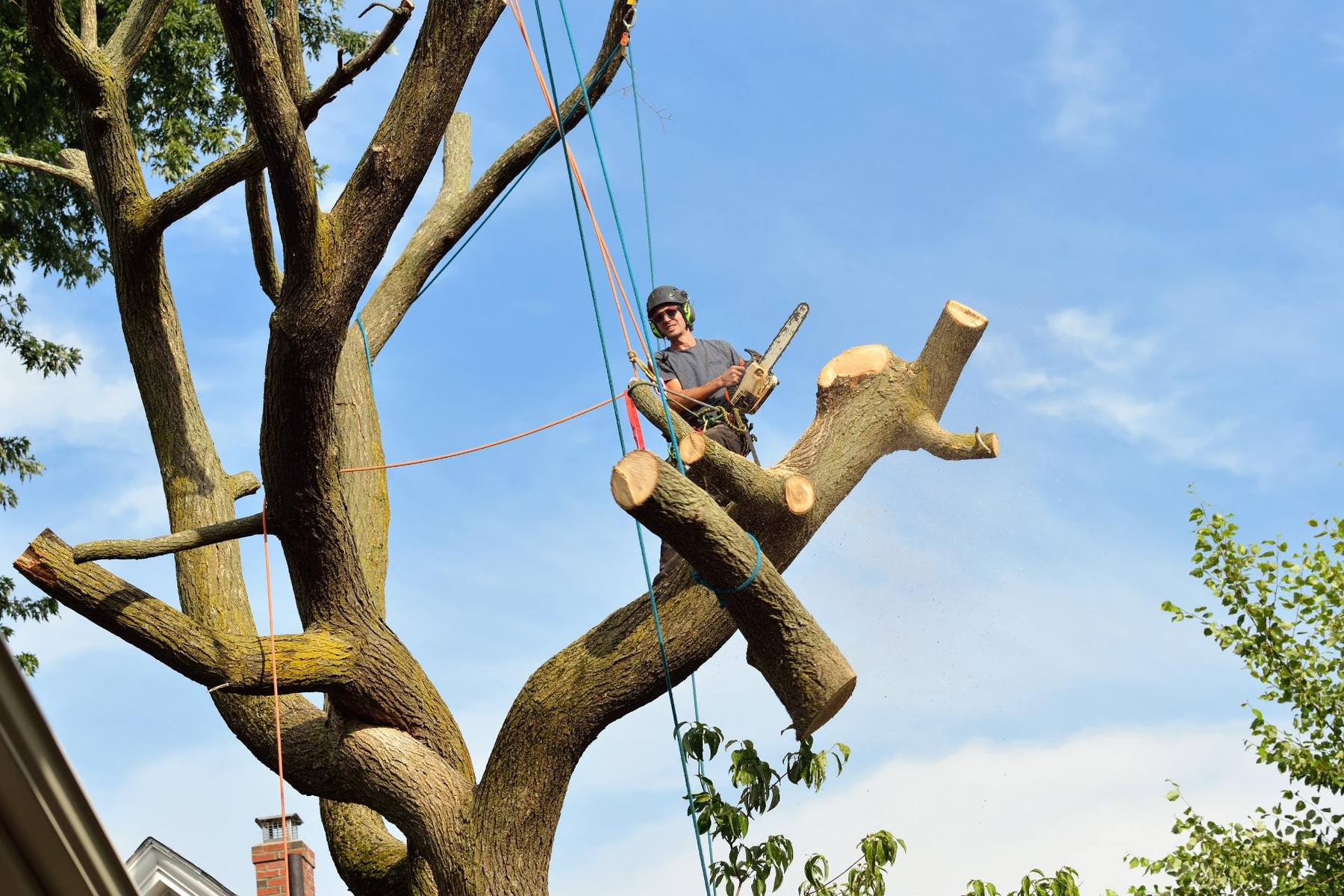
- Remove trees in the footprint while there's still open access for a crane or bucket truck.
- Handle stump grinding and major root removal before grading or excavation.
- Prune the trees you're keeping for clearance before framing or large equipment arrives.
- Plant new trees after heavy work and final grading are done.
Share the schedule with your general contractor, pool builder or solar installer so everyone knows when the tree crew will be on site and which areas are off limits. Winter rains can leave clay soil too soft for heavy equipment, so build some slack into the schedule if tree work falls between November and March.
After the Build
Construction damage often shows up slowly. Watch the trees you kept for thinning leaves, dead twigs at the top of the crown, early fall color or sprouts along the trunk over the next few seasons, and have them checked if you see these signs. Keep watering them deeply through the first few summers after the project.
Because Environmental Tree Service plants a new tree for every tree it removes, at no additional cost, you can plan the replacement into your finished landscape from the start. Pick a spot away from the new foundation, pool or panels and a species that fits it at full size. Our post on how to replant where a tree used to be has more on choosing the spot.
Talk to Us Before You Build
We can walk your site, look at your plans and help you sort out which trees go, which stay and how to protect them. Call (916) 870-8154 or contact us for a free estimate.