To remove a tree safely, a crew has to control where every piece of it goes. Here's how professionals plan the job, pick a method, lower wood without damaging your property, and why this work is best left to people who do it every day.
Key Points
- Safe tree removal starts before any cutting, with a look at the tree's condition, lean, surroundings and access.
- Trees with open ground around them can sometimes be felled whole. Most residential trees come down in sections from the top.
- Ropes, lowering devices, bucket trucks and cranes let a crew lower or lift heavy wood away from roofs, fences and yards.
- Dead trees, storm-damaged trees and trees near power lines carry extra hazards and change the plan.
- Hire a licensed, insured contractor, and ask how they'll protect your property before work starts.
How a Crew Plans a Safe Tree Removal
Most of the safety work happens before a saw starts. During the estimate and again on the day, the crew looks at:
- The tree's condition: decay, cracks, dead wood and weak unions affect whether the tree can be climbed and whether it can hold rigging loads.
- Lean and weight: which way the tree wants to go, and where the heaviest limbs are.
- Targets: the house, roof, fences, cars, pools, neighboring yards and anything else wood could hit.
- Overhead hazards: power lines, service drops to the house and cable lines.
- Access: gate widths, slopes, soft ground and where a truck, chipper or crane can set up.
- Drop zones and escape routes: where pieces will land and where workers will step back to.
- Weather: wind and rain can make climbing, rigging and crane work unsafe, so a job may be rescheduled.
Before cutting, the crew talks through the plan so everyone knows their role, the order of cuts and how they'll communicate over saw and chipper noise.
Felling Versus Sectional Removal
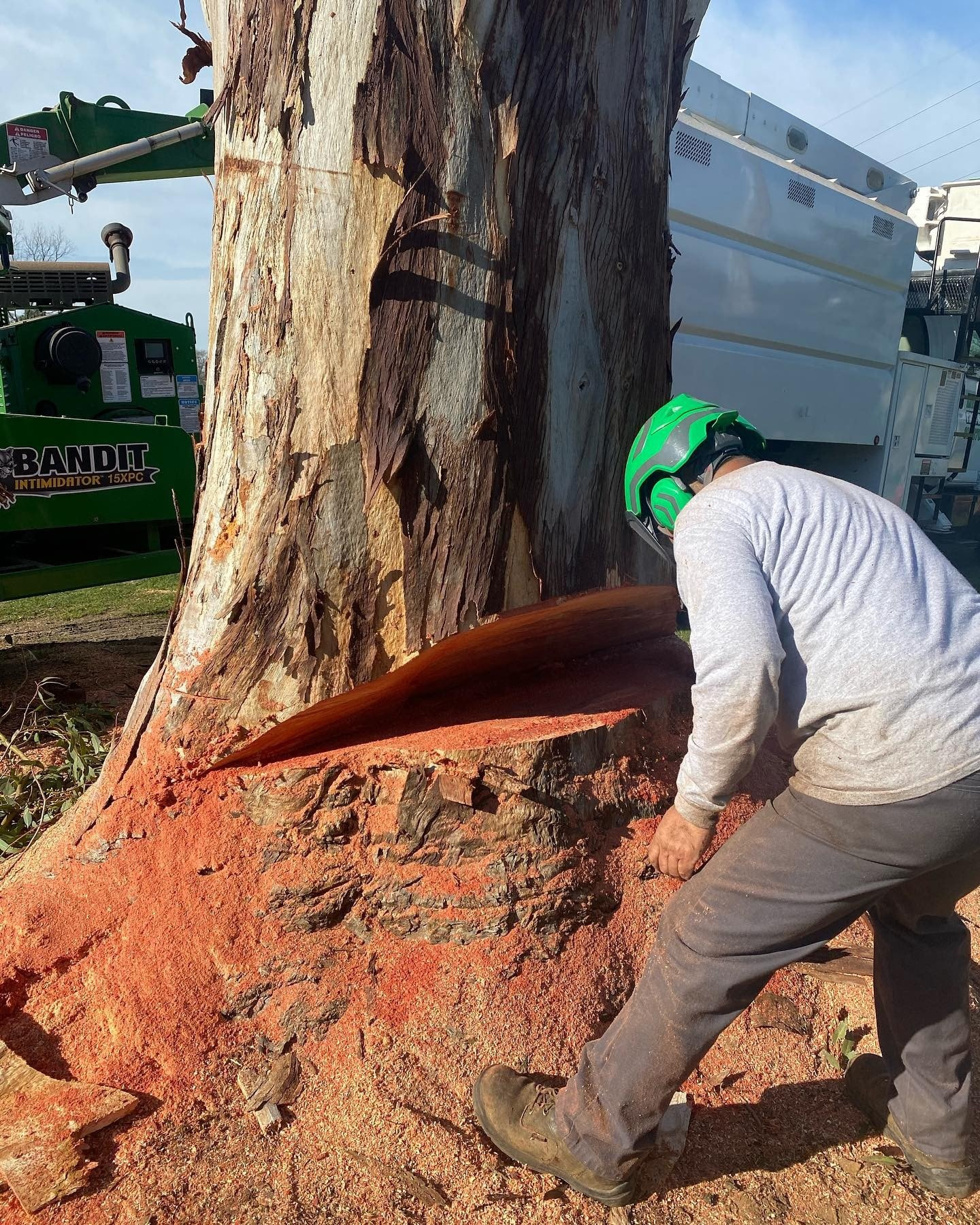
When there's open ground, a tree can sometimes be felled in one piece. The crew studies the lean, the weight of the crown and the wind, then cuts a notch on the side facing the landing zone and a back cut that leaves a strip of uncut wood called the hinge. The hinge steers the tree as it falls. Felling is fast, but it needs a clear space longer than the tree is tall, with room to spare.
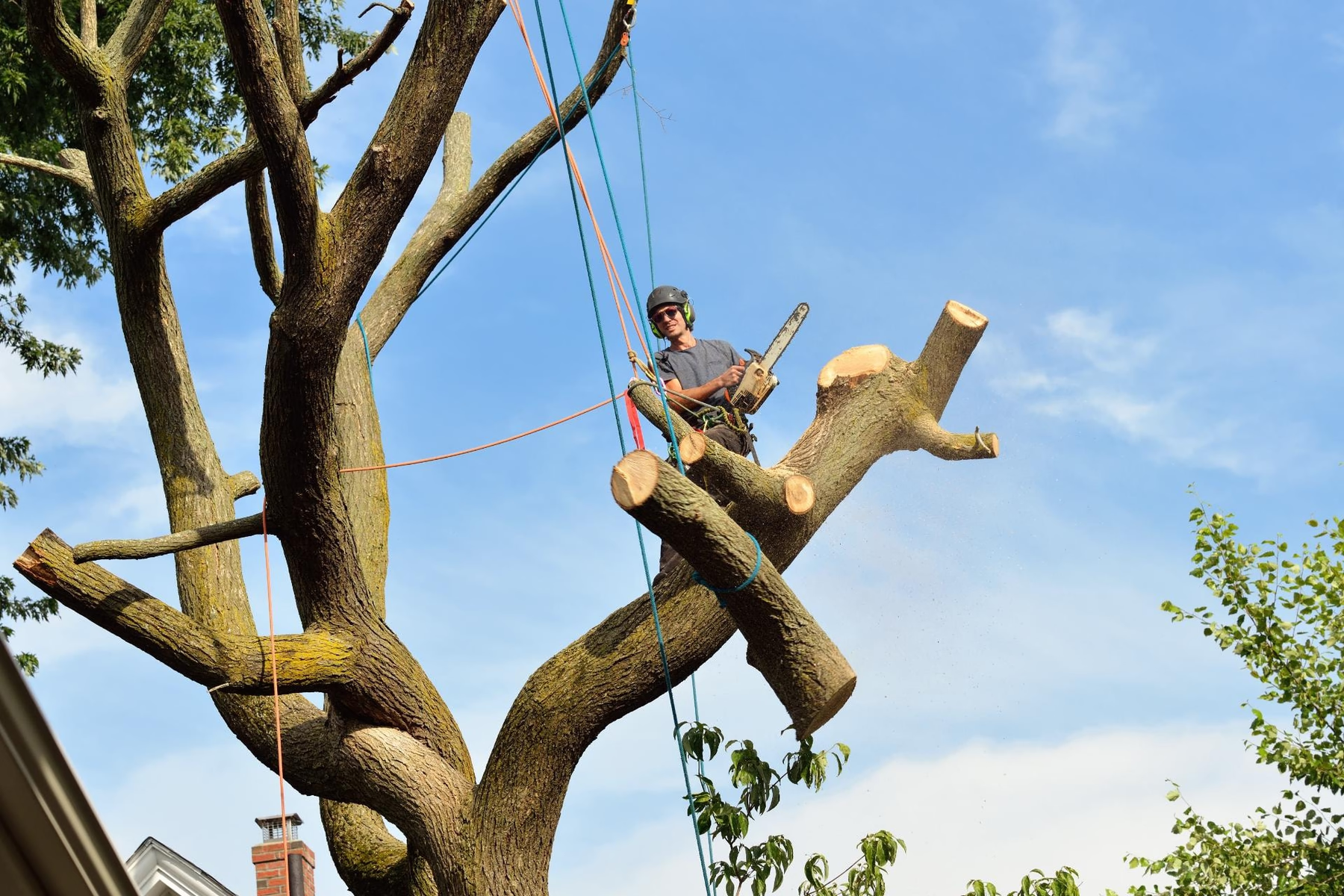
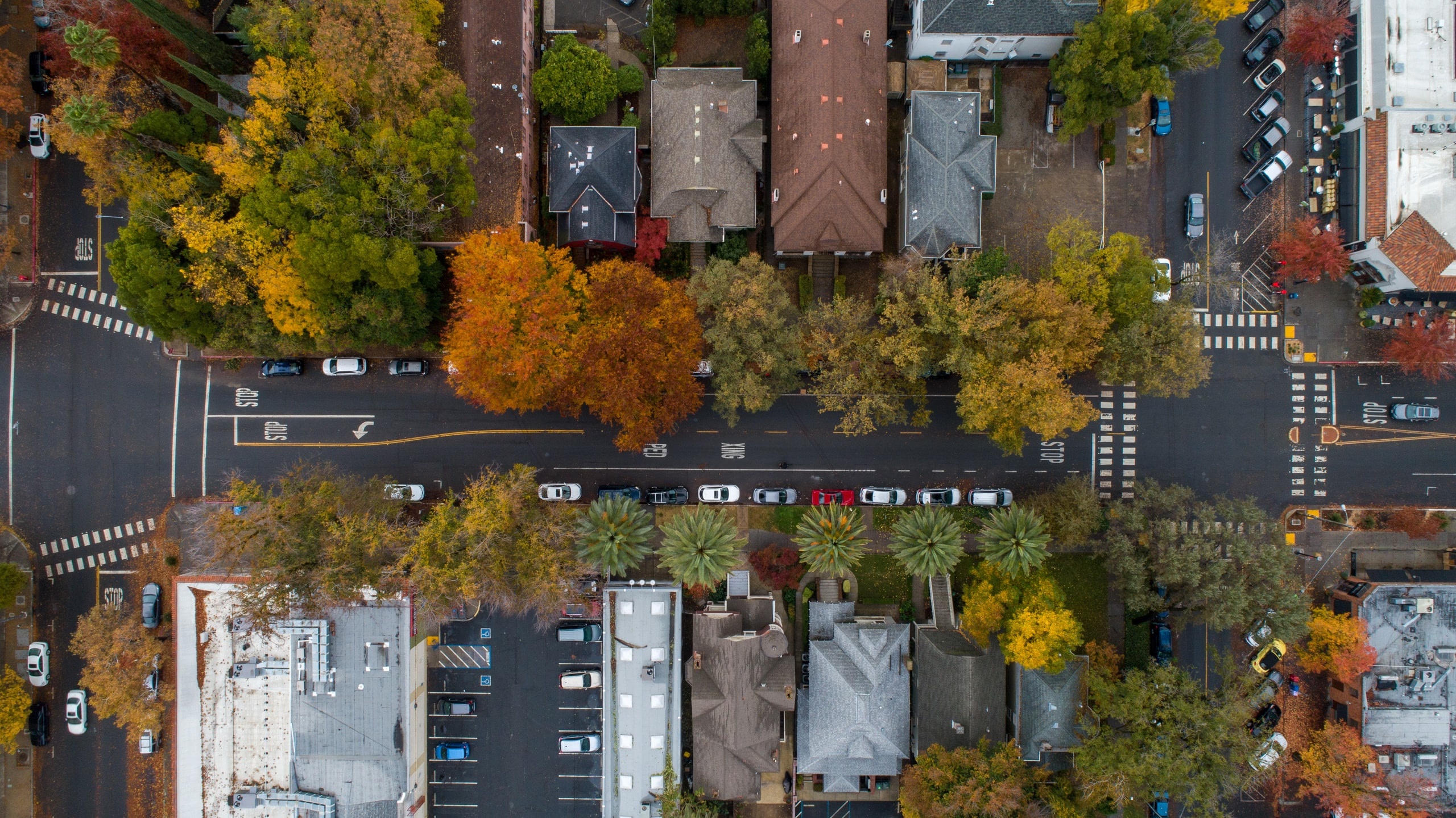
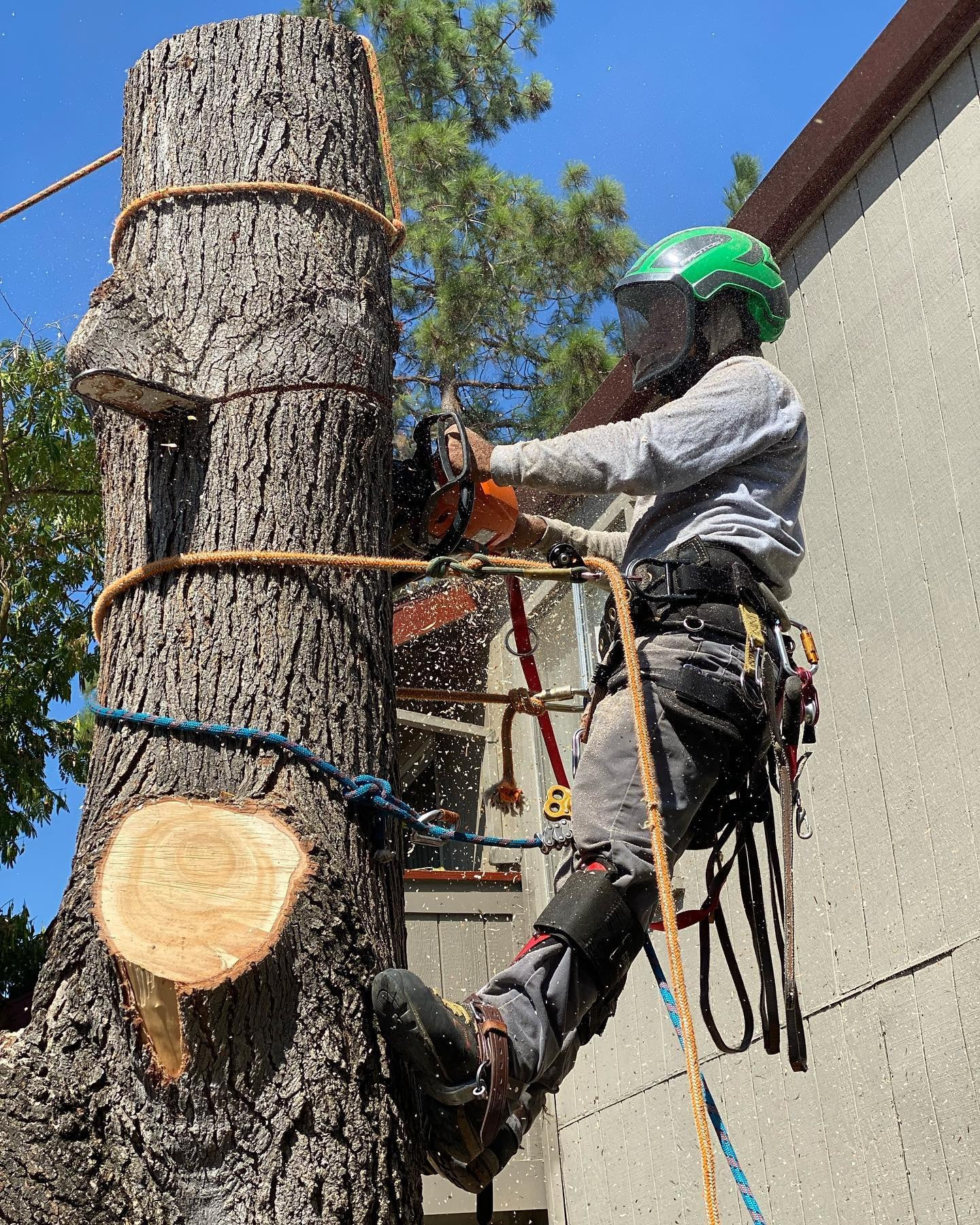
Most residential trees in Sacramento don't have that space. They stand near houses, fences, pools, power lines or a neighbor's yard. For those, the crew uses sectional removal: a climber or a bucket truck works from the top down, taking off limbs first and then the trunk in pieces small enough to control.
Climbers stay tied in to the tree the whole time they're aloft, and they pick anchor points in sound wood well above where they're cutting. When a tree is too weak to climb, the crew switches to a bucket truck or a crane instead.
Rigging and Controlled Lowering
In a sectional removal, pieces that can't be dropped safely are lowered on ropes. The basic setup looks like this:
- A rigging point is set high in the tree, and a lowering device is attached near the base, so the rope can carry the weight of each piece.
- Each limb or trunk section is tied off before it's cut.
- A ground worker controls the rope, using friction to slow the piece and guide it to a clear landing spot.
- The piece is untied and moved out of the way before the next cut.
It's slower than felling, but it lets a crew take down a large tree over a roof or a fence without touching either one. It also depends on the tree being sound enough to hold those loads, which is why a dead or badly decayed tree often changes the plan.
When a Bucket Truck or Crane Makes Sense
A bucket truck lifts a worker into the canopy without anyone climbing the tree. It's a good choice when a truck can reach the tree and the tree is too weak to climb safely. It needs a clear path and firm ground, which rules it out for many backyards.
A crane lets the crew lift large sections up and away instead of lowering them through the tree. That's useful when a tree is dead and too brittle to climb safely, when it leans over a house, or when there's no clear drop zone at all, such as a backyard tree with the home between it and the street. Each section is attached to the crane before it's cut, then swung over to the truck or chipper. Environmental Tree Service uses cranes and bucket trucks for jobs like these. A crane needs a firm, level place to set up with room for its outriggers, and checking for that is part of the estimate visit.
On a crane job, the crew and the operator agree on signals before the first lift, and nobody stands under a suspended load. Each section is sized to what the crane can safely carry at that distance, so a tree farther from where the crane sits comes out in smaller pieces. If a street or sidewalk has to be partly blocked for the setup, that's worked out ahead of time too.
Protecting Your House, Lawn and Hardscape
A good removal leaves the yard looking as if the tree was simply lifted out. Common precautions include:
- Plywood or mats over lawn, driveways and walkways where equipment and heavy wood will travel.
- Landing cut pieces away from patios, pool decks and sprinkler heads, or onto padding when there's no other choice.
- Cutting smaller pieces near roofs, gutters and windows.
- Planning a clear path from the tree to the chipper that avoids fences, planting beds and irrigation lines.
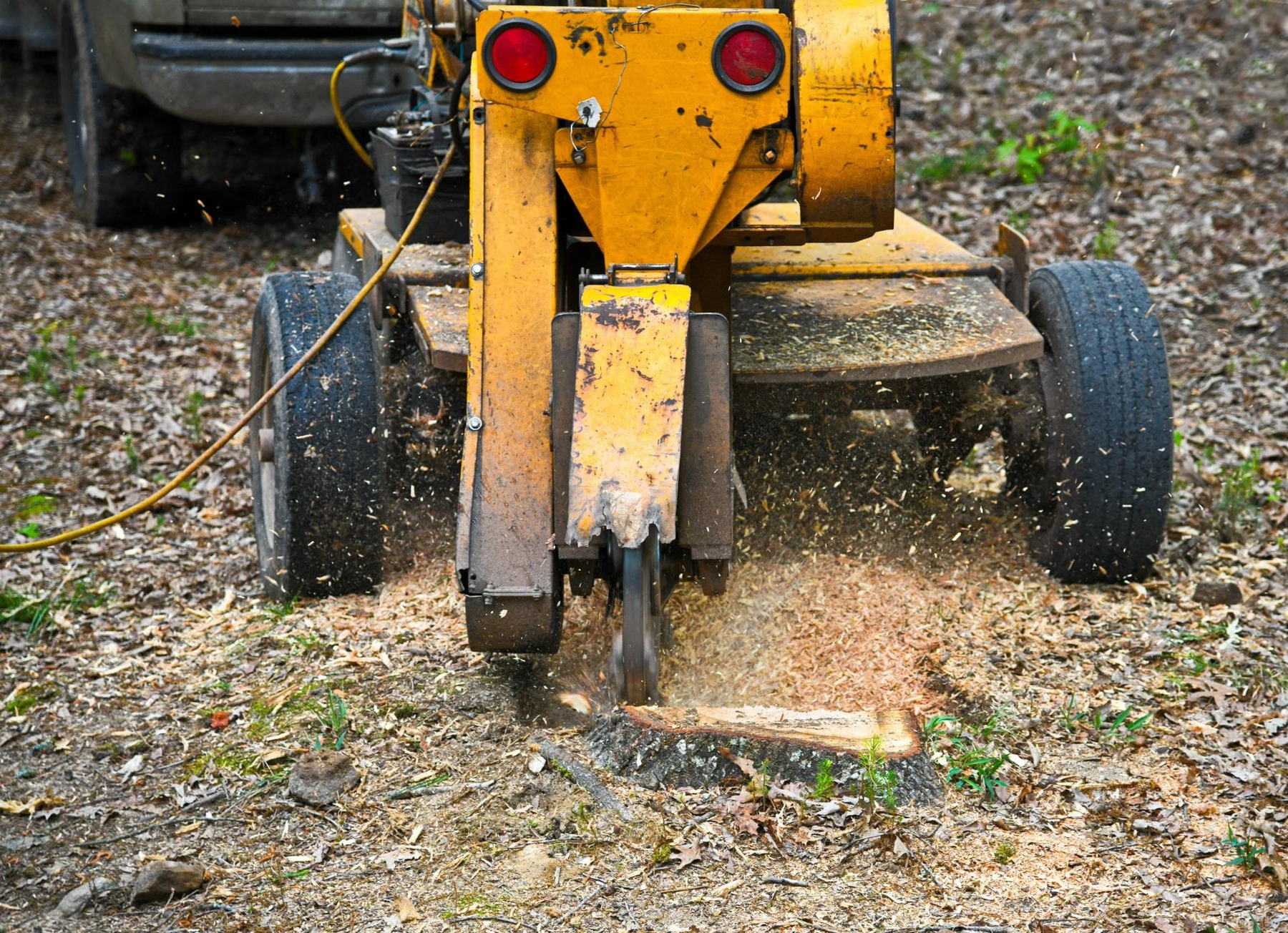
- Locating underground utilities and irrigation before any stump grinding in tight spots or near utilities begins.
Clay soils in much of the valley turn soft and rut easily during wet winter months, so ground protection matters even more at that time of year. If you want to know what the day looks like from your side, see what to expect on tree removal day.
Power Lines, Storm Damage and Other Extra Hazards
Some trees are dangerous even to approach. Treat these situations with extra care:
- Trees near power lines: electricity can jump to a branch, a pole saw or a person without direct contact. Stay away and call SMUD or PG&E, or a qualified line-clearance contractor. Our guide to trimming trees near your house, roof and power lines covers what homeowners should and shouldn't do.
- Wood under tension: a limb pinned under another limb, or a young tree bent over by a fallen one, can spring back with great force when cut.
- Hangers: broken limbs caught in the canopy can drop without warning, even on a calm day.
- Split trunks and uprooted trees: a partly fallen tree is held in place by forces you can't see, and cutting the wrong piece first can release it.
If a storm has already brought a tree down or left one hanging, keep people and pets clear and call for 24/7 storm damage service.
Why Tree Removal Isn't a DIY Job
Running a chainsaw on the ground is dangerous enough. Removing a tree adds height, heavy moving loads and a trunk that can split or kick back without warning. Wood under tension from a lean or a storm can snap violently when it's cut. Most people also underestimate how much even a medium limb weighs and what it does to a ladder, a roof or a person when it swings. Professionals work with helmets, eye and hearing protection, cut-resistant chaps, rated ropes and hardware, and a ground crew that watches every cut.
What to Ask Before You Hire
- What is your contractor license number, and can you show proof of insurance?
- Will the tree be felled, taken down in sections or removed with a crane, and why?
- How will you protect my lawn, driveway, fence and irrigation?
- Is hauling away the wood and debris included, and what happens to the stump?
- Does the tree need a permit from the city or county before it comes down?
Before you hire anyone for tree removal, check that their license is active and their insurance is current. Environmental Tree Service is licensed and insured, California contractor license 937241.
Schedule a Free Estimate
We'll look at the tree and the site and explain the safest way to take it down. Call (916) 870-8154 or contact us online.