What to do after stump grinding is the question most people have once the machine is gone. Grinding gets rid of the stump, but it leaves a hole full of chips and a mound of wood and soil beside it. This post covers what to do with that pile, how to backfill and handle settling, when the chips make good mulch, and how to get grass growing over the spot again.
Key Points
- Stump grindings take up more room than the stump did, so expect a sizable mound of chips and soil.
- For lawn or planting, dig most of the chips out of the hole and refill with topsoil, mounded slightly high.
- The spot will settle as buried roots decay, so plan to top it off with soil a few times in the first year.
- Grindings make a useful surface mulch, but don't reuse them if the tree had a root disease or wood-boring insects.
- Reseed or sod once the fill has settled, timing it to your grass type and the season.
What's Left After the Grinder Leaves
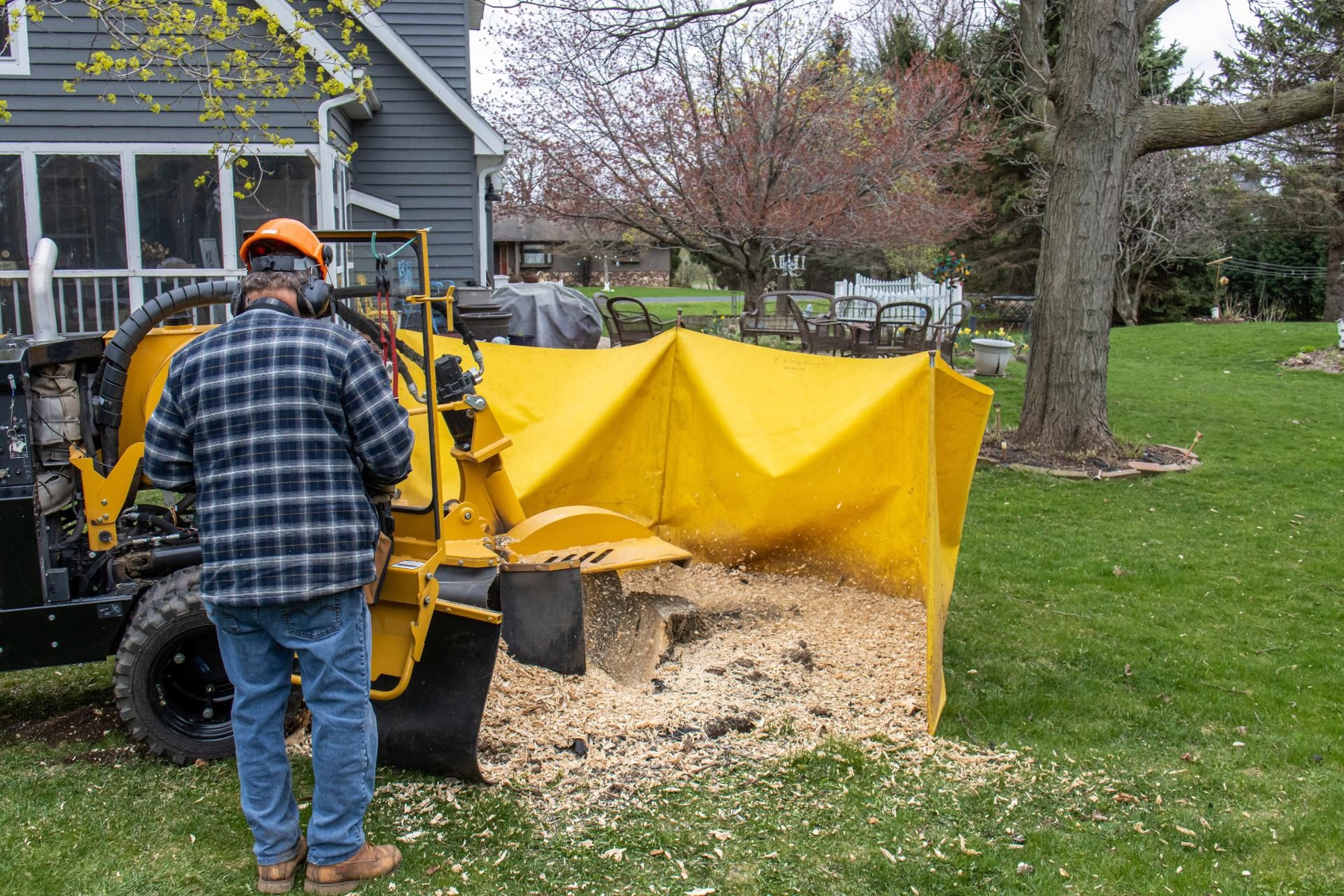
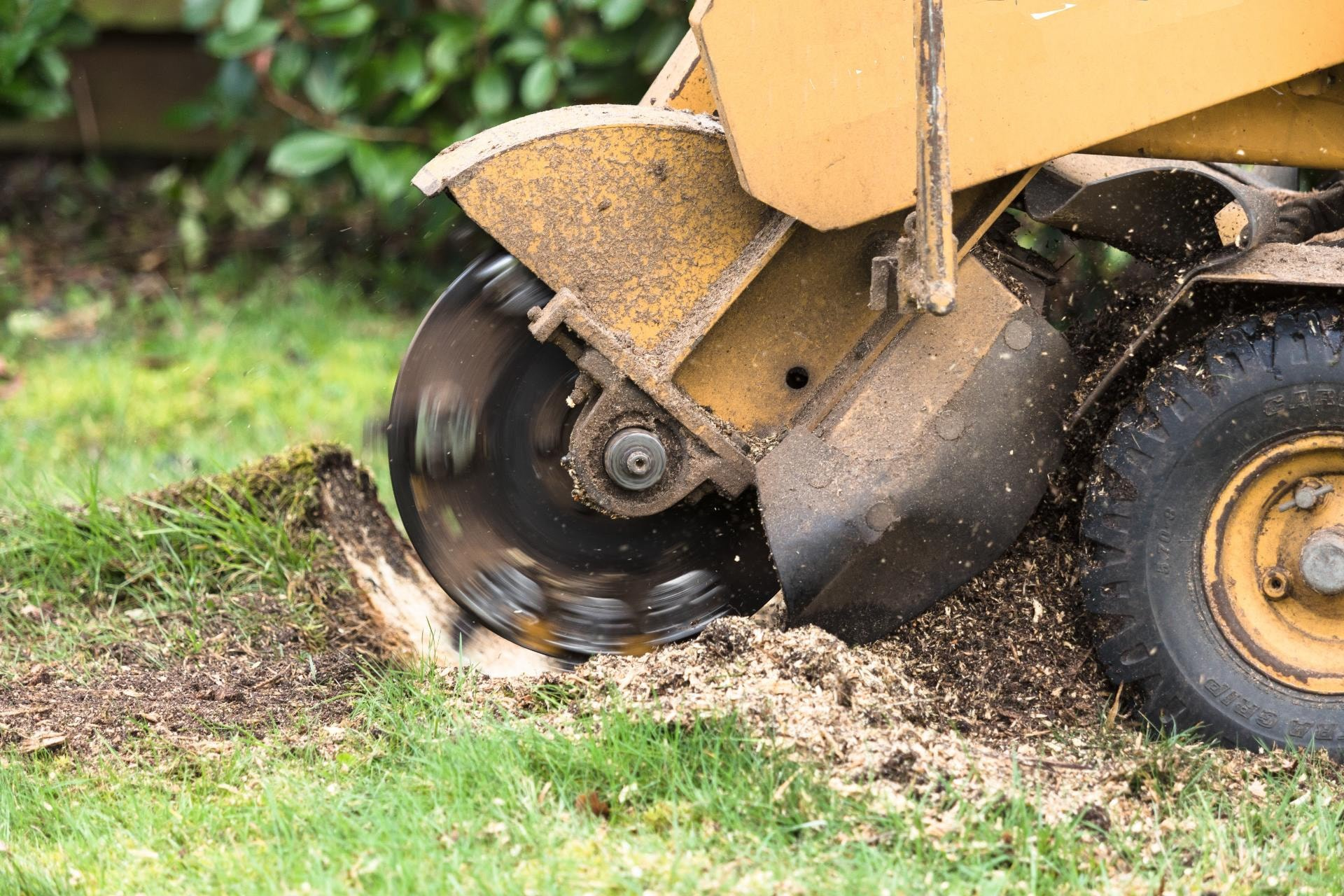
A ground stump turns into a mound of shredded wood mixed with soil, and it's usually bigger than people expect, because a solid stump and its main roots have been turned into loose, fluffy material. The hole underneath is filled with the same mix. Depending on what's been arranged, the grindings may be raked back into the hole, left in a pile for you to use, or hauled away.
Questions to Ask About Cleanup Before the Job
Cleanup is the part of stump work most likely to cause surprises, so settle it when you get your estimate:
- Will the grindings be raked into the hole, left in a pile, or hauled away?
- Will surface roots running away from the stump be ground too, or only the stump itself?
- How deep will the stump be ground, and is that deep enough for what you plan to put there?
- Will the work area be raked and blown clean of chips on patios, paths and beds?
- If the tree is still standing, can the tree removal, stump grinding and cleanup all be planned as one job?
Can You Leave Stump Grindings in the Hole
Sometimes. If the spot will become a mulched bed, a natural area or a place nobody walks or mows, leaving the grindings in the hole is fine. They'll slowly break down and the spot will sink as they do. Top it off now and then and it will eventually blend in.
If you plan to put lawn or plants in that spot, most of the chips need to come out first. Wood chips mixed into soil make a poor base for grass. As soil microbes break the wood down, they draw nitrogen from the soil around them, which leaves new roots short, and the chips keep sinking as they decay. Grass seeded straight over a hole full of grindings tends to come in thin and yellow, then drop into a dip.
Backfilling the Hole Step by Step
Here's a simple approach that works for most stump holes:
- Rake or shovel the grindings out of the hole until you reach mostly soil.
- Pull out any loose root pieces and chunks of wood you can reach.
- Fill with good topsoil or a blend of topsoil and compost. In heavy clay areas, screened topsoil is much easier to work and level.
- Firm the fill lightly with your feet as you go, rather than dumping it in all at once.
- Mound the fill slightly above the surrounding grade to allow for sinking.
- Water it thoroughly to settle the soil, then add more wherever it drops.
If you can't remove every chip, that's fine. Aim for a good layer of real soil where the grass or plant roots will live, and keep the leftover wood deeper down.
Before you backfill, check for sprinkler lines the grinder may have nicked. Run each irrigation zone near the stump for a minute and look for bubbling, pooling water or heads that won't pop up. It's far easier to splice a broken line while the hole is open than to dig it back up after the lawn has grown in. If a line crosses the hole, reroute it around the spot rather than over the soft fill, which will keep sinking.
Expect Some Settling
Even after careful backfilling, the spot will likely sink a little over time. Roots left below the grinding depth decay slowly, and as they do, the soil above them drops. You may even see a shallow line sink across the yard where a big root used to run. Our post on how deep stump grinding goes and what happens to the roots explains why.
It's usually gradual. Keep a bag of topsoil on hand and top-dress the low spot as needed, especially after the first winter rains, when Sacramento's clay soils soak up water and shift. A shallow dip is easy to fix. A deeper one left alone collects water and becomes its own trip hazard, so it's worth checking the area a few times during the first year. Mushrooms popping up over the old root zone after rain are a normal sign of decay, not a problem.
Using the Chips as Mulch
The grindings don't have to go to waste. Spread as a surface mulch, they help hold moisture through hot valley summers and keep weeds down in beds and around shrubs. A few guidelines keep them helpful:
- Use them on top of the soil, not dug in. Surface mulch doesn't tie up nitrogen in the root zone the way buried chips can.
- Spread a layer a few inches deep rather than a tall pile, so water and air still reach the soil.
- Keep mulch pulled back a few inches from the trunks and stems of other trees and shrubs.
- Don't heap fresh chips against a wooden fence, deck or the side of the house.
- Expect some soil and small stones mixed in. That's normal for stump grindings.
A big pile you can't use right away can sit for a while, but spread it out rather than leaving a tall mound against a structure, and keep it away from anything that could catch a spark during fire season. If you're curious what happens to the rest of a tree after it comes down, our post on what happens to the wood after a tree removal covers the options.
When to Haul the Chips Away
Skip reusing them when the tree died from a root disease such as oak root fungus, or when it was infested with wood-boring insects. In those cases, have the grindings hauled off rather than spreading them around plants you want to keep. Also skip them where you need a clean, uniform look, such as a front bed with decorative bark, since grindings are coarse and mixed with soil.
Repairing the Lawn Over the Spot
Once the fill has settled and been topped off, you can reseed or lay sod. Loosen the surface, level it with the surrounding lawn, and match the grass type already growing there so the patch blends in.
Seed or Sod
Seed is cheaper and blends well once it fills in, but it takes longer and needs steady moisture. Sod gives an instant finish and is less likely to wash out on a slope, but the piece has to sit at exactly the same level as the lawn around it, so any settling underneath shows quickly. On a freshly filled stump hole, many people wait until the soil has stopped dropping before laying sod.
Timing for Sacramento Lawns
Cool-season grasses such as tall fescue, common in Sacramento lawns, establish best in fall or spring when temperatures are milder. Warm-season grasses such as bermudagrass fill in best from late spring into summer, when they're actively growing. A cool-season patch started in midsummer will need frequent watering to survive the heat. Keep the new grass evenly moist until it knits into the existing lawn, and fill any low spots that show up during the first year with a thin layer of topsoil the grass can grow through. If you'd rather plant a tree than grass, see our guide to planting a new tree where an old stump was.
Get a Free Estimate
Environmental Tree Service offers free estimates for stump grinding in Sacramento and nearby cities. Call (916) 870-8154 or reach us here to talk through the job and the cleanup.