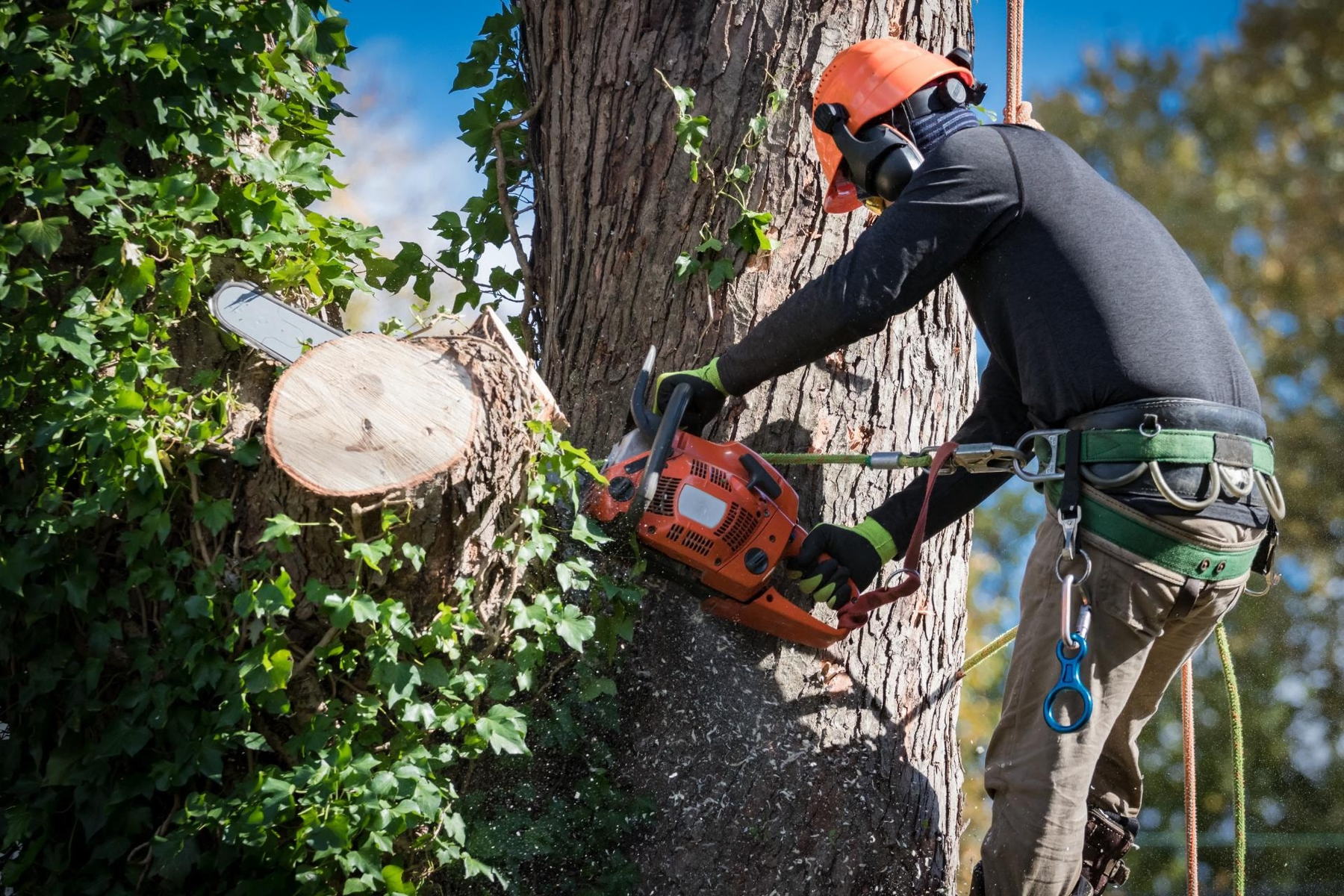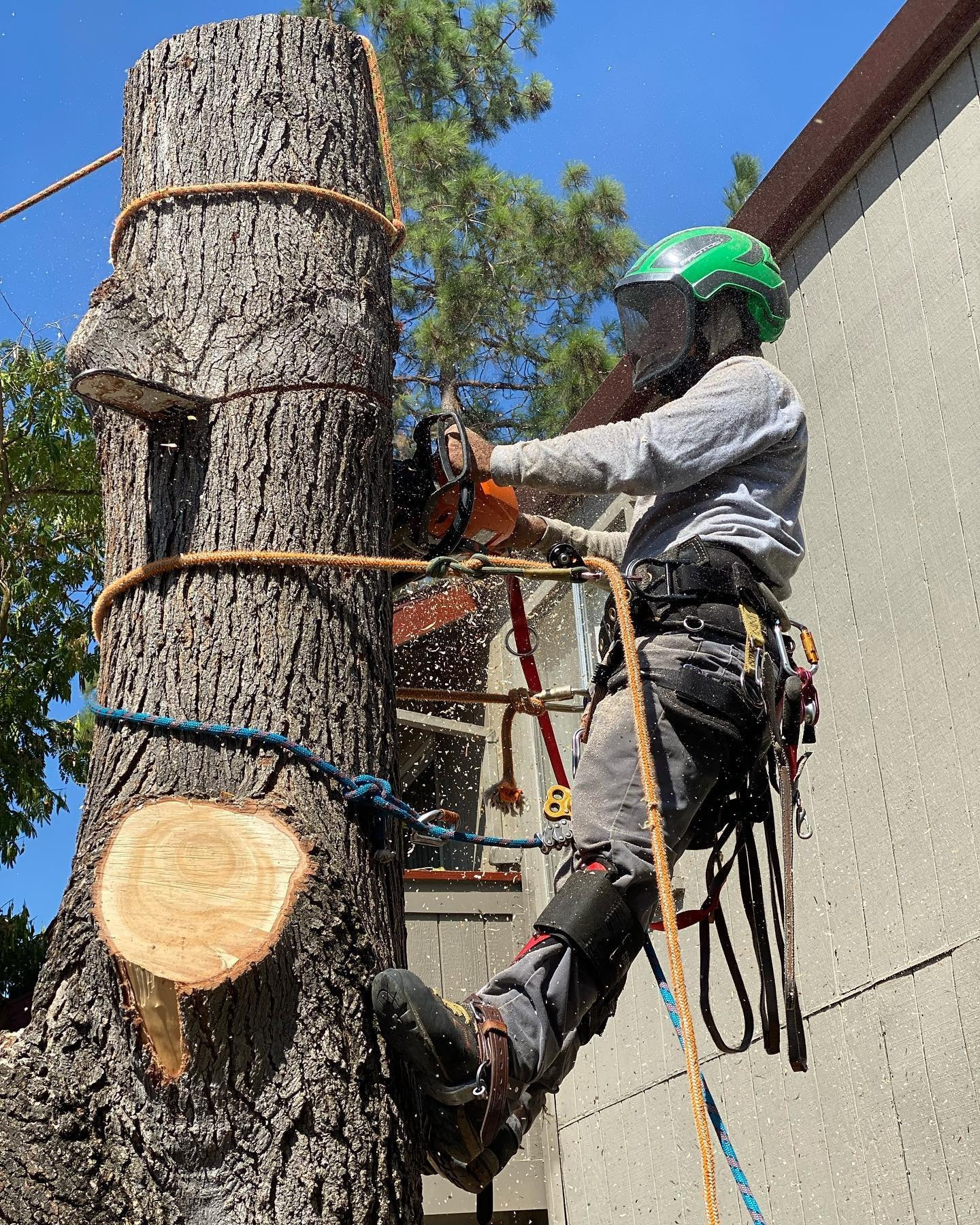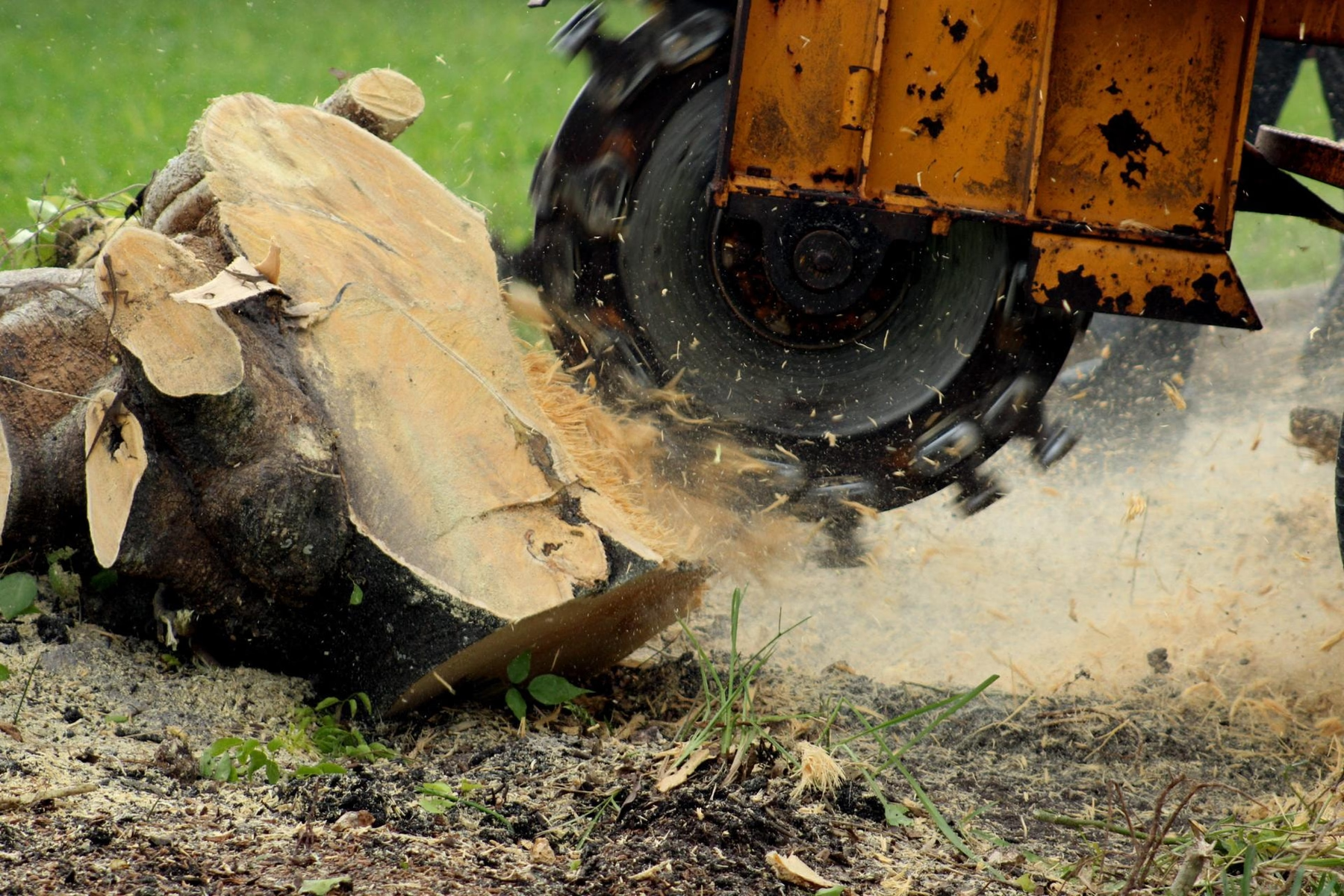
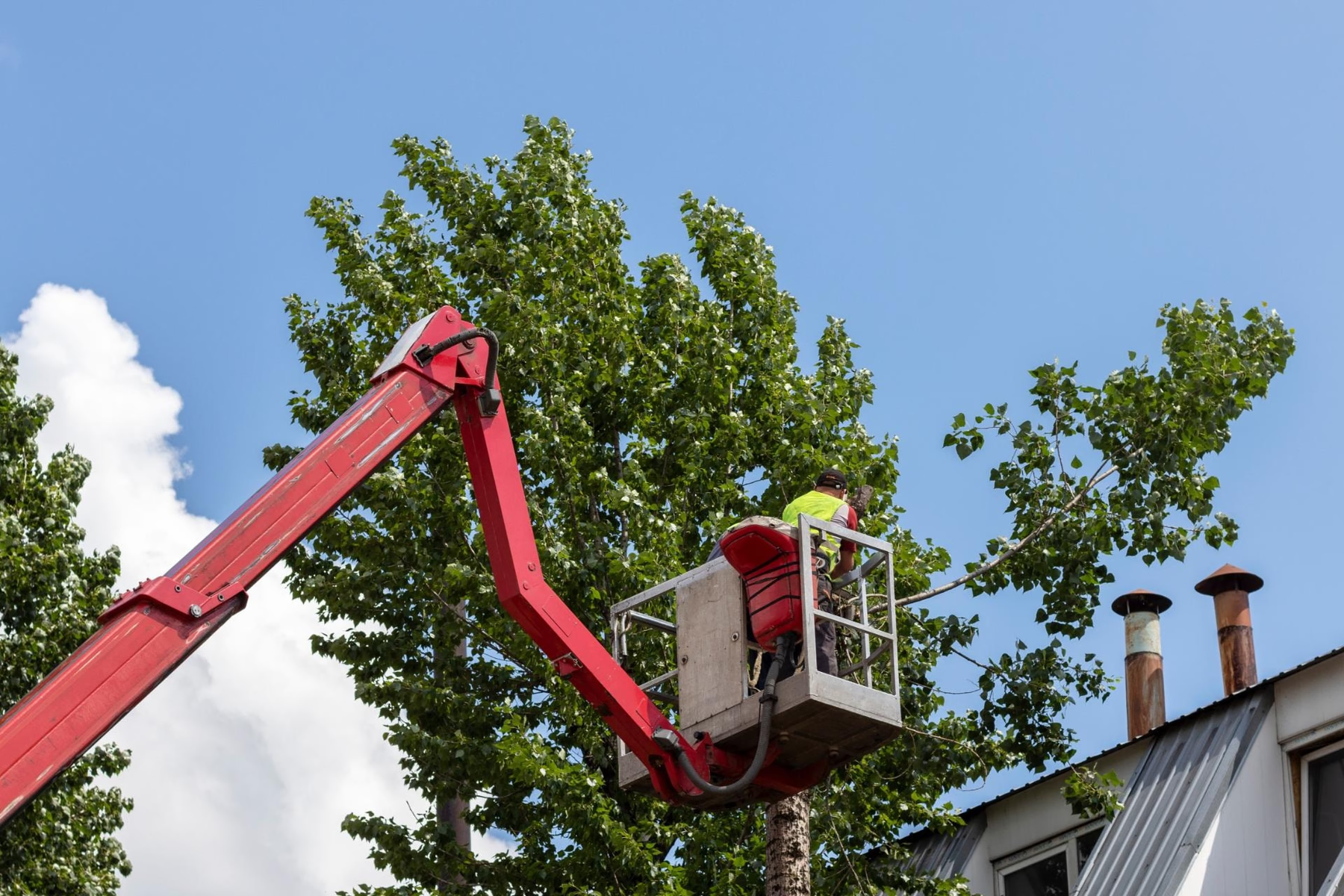
After a tree removal, there's a lot of wood left over, and most of it doesn't have to go to waste. Here are the practical ways to reuse it, from mulch and firewood to milling logs and wildlife habitat, which wood is better left alone, and what to ask for before the crew arrives.
Key Points
- Unless you ask otherwise, branches are usually chipped and the wood is hauled away as part of the job.
- You can keep chips for mulch, rounds for firewood or long trunk sections for milling if you say so at the estimate.
- Chips make good mulch for Sacramento gardens as long as they're kept away from trunks.
- Firewood needs time to season, and some wood is better not burned at all.
- Diseased wood, treated or painted wood and anything tangled with poison oak need extra care.
Can You Keep the Wood From a Tree Removal
Yes. You can usually keep as much or as little as you want, but the crew needs to know before the job starts. The form the wood is left in depends on what you plan to do with it, and it affects how the tree is cut.
- Chips: tell the crew where to dump them, ideally on a driveway edge or a tarp near where you'll spread them.
- Firewood rounds: ask for rounds cut to a length that fits your fireplace or fire pit, and think about whether you can move them. Rounds from a large trunk are very heavy.
- Logs: long, straight trunk sections for milling have to be planned before the removal, since the crew normally cuts wood into shorter pieces.
- Nothing: if you don't want any of it, confirm that hauling everything away is included in the estimate.
Our post on what to expect on tree removal day covers the rest of the process, from setup to cleanup.
Wood Chips and Mulch
Branches and small limbs usually go straight into the chipper, and those chips make good mulch for landscape beds and around trees. A layer a few inches deep helps soil hold moisture through hot, dry Sacramento summers, keeps weeds down and slowly breaks down into organic matter, which heavy clay soils benefit from.
- Keep mulch a few inches away from trunks and the base of shrubs. Mulch piled against bark holds moisture and invites rot.
- Spread fresh chips on top of the soil. Don't mix them into planting holes, where they can tie up nitrogen as they break down.
- Spread the mulch out wide rather than in a tall ring around a tree, so it covers more of the root zone.
- If the tree was diseased, ask whether its chips are safe to use around other trees of the same kind.
A big pile of fresh chips can heat up in the middle as it starts to break down, so spread it out within a few weeks rather than leaving it against a fence or the house. If you'd like to keep some or all of the chips, say so during the estimate so the crew can leave them where you want them instead of hauling them away. Grindings from stump grinding can be used the same way, and our post on how deep stump grinding goes and what happens to the roots explains what's in them.
Firewood
Larger limbs and trunk sections can be cut into rounds for firewood. Not every tree burns the same:
- Burns well: dense hardwoods such as oak, almond, walnut and many fruitwoods burn hot and long once they're dry.
- Good once seasoned: ash and elm burn well when dry, though elm can be stubborn to split.
- Use with care: pine, cedar and other softwoods light fast and burn quickly. Resinous wood should be well seasoned to limit creosote buildup in the chimney.
- Skip it: palms, which are fibrous and burn poorly, and any wood that has been painted, treated or sprayed.
Seasoning and Storing Firewood
Green wood needs to season before it burns cleanly. Split it, stack it off the ground, leave the ends open to the air and cover only the top of the pile. The dry valley summer helps, but dense oak can still take a year or more. Seasoned wood is lighter, shows cracks across the end grain and sounds hollow when two pieces knock together.
Stack firewood away from the walls of your house and fences, where it can hide pests and adds fuel close to the building. Burn it close to where it was cut, too. Moving firewood long distances can carry insects and tree diseases to new areas. Before you light a fire in winter, check whether it's a no-burn day for air quality in your area.
Logs for Milling and Projects
A straight, clear trunk section from a tree like oak, walnut, sycamore or redwood can be worth milling into lumber or slabs for a table, a bench or shelves. Smaller rounds make stools, chopping blocks or garden edging. If you're interested:
- Tell us before the removal, so the trunk can be cut in the longest sections the job safely allows.
- Line up a sawyer or woodworker ahead of time, since logs start to crack and stain if they sit too long.
- Plan on moving and storing the logs yourself, with space for the wood to dry slowly.
- Know that yard trees often hide nails, fence wire or old hardware, which some mills won't cut.
Freshly cut wood dries from the ends first, which is where most cracks start. Sealing the cut ends soon after the removal slows that drying and helps keep more of the log usable. Once it's milled, lumber needs to be stacked flat with spacers between the boards and left to air-dry in the shade, which takes much longer than most people expect.
Leaving a Snag or Log for Wildlife
Where it's safe, part of a dead trunk can be left standing as a wildlife snag. Woodpeckers, owls, bats and other cavity nesters use dead wood for food and shelter. This only works well away from homes, driveways, play areas, fences and anywhere people gather, and the snag should be cut short enough that it can't reach anything if it falls. It suits larger rural or open lots better than a typical city backyard. A log laid on the ground in a back corner does some of the same work with less risk.
A loose pile of larger branches does something similar, giving lizards, quail and other small animals cover. Keep it well away from the house, and skip it in areas where you need to keep dry fuel down around buildings. If you notice an active bird nest in a tree that is scheduled to come down, tell the crew before the work starts. Nesting birds are protected, and the timing of the removal may need to change.
Wood That Shouldn't Be Reused
Some wood is better hauled away than kept:
- Wood from a diseased tree: ask before using chips or logs near other trees of the same kind, and don't move it far from where it was cut.
- Anything with poison oak: vines climbing the trunk carry the same oil as the leaves, and smoke from burning poison oak can cause serious reactions.
- Painted, treated or sprayed wood: old fence posts, treehouse lumber and wood with paint or chemical treatment shouldn't be burned or used as garden mulch.
- Wood full of hardware: nails, wire and bolts are dangerous in a chipper or saw and make wood hard to reuse.
If a stump is staying in the ground for now, read why leaving a tree stump can cause problems before you decide.
A New Tree for Every Tree Removed
Reusing the wood is only half of it. Environmental Tree Service plants a new tree for every tree it removes, at no additional cost to you. That replacement is a chance to put the right tree in the right spot, one that fits the space and handles the Sacramento climate. Learn more about our tree planting pledge and our tree removal service.
Plan Your Removal
Tell us during your free estimate what you'd like to keep, whether that's chips, firewood or logs. Call (916) 870-8154 or contact us to get on the schedule.