Seasonal tree trimming and care in the Sacramento Valley comes down to two hard seasons: long, hot, dry summers and wet, windy winters. Timing your tree work around those two stresses does more for your trees than any single job. Here is what to focus on in each season, what to leave alone, and a month-by-month checklist you can keep on the fridge.
Key Points
- Winter, while deciduous trees are dormant, is the best time for structural pruning on most shade and fruit trees.
- Spring is for training young trees and inspecting new growth. Avoid heavy pruning while the leaves are expanding.
- Summer calls for deep, infrequent watering and light trimming only. Keep irrigation away from the trunks of native oaks.
- Fall is the time for pre-storm checks and gutter cleanup, and it's the best planting season in the valley.
- Dead, broken and hazardous branches can come out in any season.
When Is the Best Time to Trim Trees in Sacramento
For most deciduous trees, the best time is late fall through winter, after the leaves drop and before buds break. You can see the whole branch structure, the tree isn't spending energy on new leaves, and many pests and diseases are less active. The honest answer, though, depends on the goal. Removing a dead or cracked limb shouldn't wait for the calendar, and light clearance work can happen in almost any month.
Trees With Their Own Timing
- Apricots and cherries: many growers prune them in late summer, because some fungal diseases spread through fresh cuts in wet weather.
- Native oaks: are best pruned in the dormant season or the dry heat of summer, depending on the concern. Check with your city or county before heavy pruning on a protected oak.
- Pines: are usually pruned in late fall and winter, when bark beetles drawn to fresh cuts are less active.
- Crape myrtles: get a light cleanup in late winter, before new growth starts.
- Palms: need dead fronds and old flower stalks removed, not seasonal shaping.
For a species-by-species look, see our guide to when to prune common Sacramento-area trees.
Winter: Dormant Pruning and Storm Season
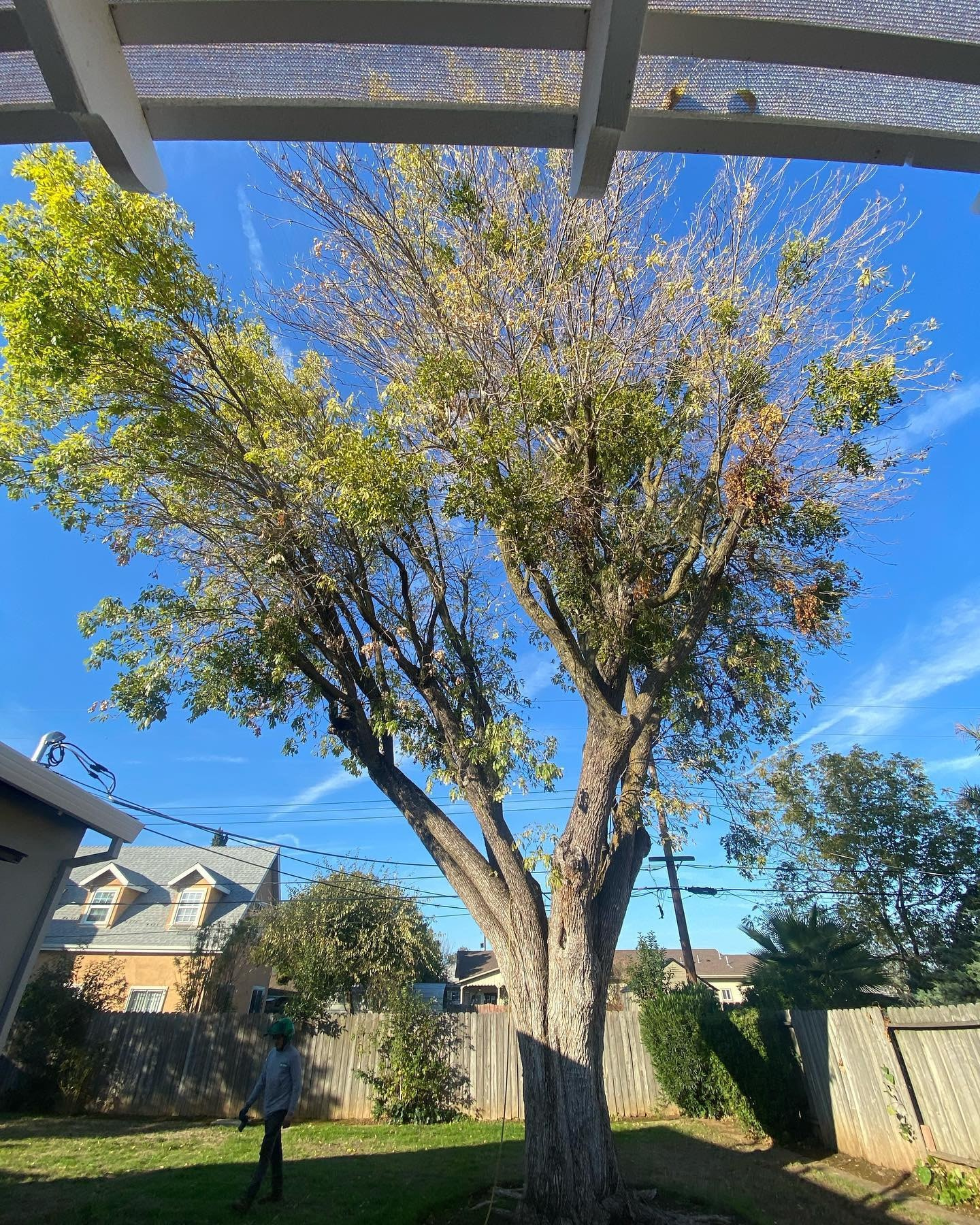
Once deciduous trees drop their leaves, you can see every branch. That makes winter the best time for structural work on trees such as Chinese pistache, Chinese elm, London plane and most fruit trees. Cuts made while a tree is dormant close up well when growth starts in spring. It's also the right time to shorten long, heavy limbs that hang over the house before the worst of the wind arrives.
Winter is also storm season. Heavy rain soaks the valley's clay soils, roots lose their grip, and wind finds every weak limb. Before and after each big storm:
- Look for broken branches hung up in the canopy and keep people out from under them.
- Check the base of large trees for cracked or lifted soil, a sign roots have moved.
- Watch for new cracks where major limbs join the trunk.
- Stay well away from any line brought down by a falling limb and call the utility.
If a dry spell lasts several weeks in winter, give young trees an occasional deep watering. If a storm drops a tree or a large limb on your house, car or fence, our 24/7 storm damage team can handle the cleanup safely.
Spring: Training Young Trees and Watching New Growth
Spring is when young trees are easiest to steer. Light structural pruning in the first several years, such as choosing one main leader and removing a competing top, prevents the weak forks that split apart decades later. Keep these cuts small. A young tree needs its leaves to grow roots and trunk.
On established trees, avoid heavy pruning while the new leaves are expanding. The tree has just spent stored energy on that flush of growth. Instead, use spring as your inspection season:
- Branches that never leafed out are likely dead and should come out.
- Thin, small or yellowing leaves on one side of the tree can point to root trouble.
- Sticky residue on cars and patios often means aphids in the canopy.
- Mushrooms at the base of a tree can be a sign of decay in the roots or trunk.
Check for Nesting Birds
Spring through early summer is nesting season. Active nests of most native birds are protected by federal and state law, so look through the canopy before any trimming and hold off on branches with an active nest. A good tree crew checks for nests as part of the job.
As the rains taper off, start watering young trees before the soil dries out completely.
Summer: Heat, Deep Watering and Light Trimming Only
Summer heat is the biggest stress most valley trees face. Water deeply and less often, so moisture reaches down to the roots instead of wetting only the top few inches. Soak the area out toward the edge of the canopy, not right against the trunk, and spread a layer of mulch over the root zone while keeping it pulled back from the bark. A slow soaker hose does this far better than a quick pass with lawn sprinklers.
Watch for signs of heat and drought stress: leaves browning at the edges, wilting that doesn't recover by morning, and leaves dropping early in midsummer. Young trees show it first, because their roots haven't spread far yet.
Mature native oaks are the big exception to summer watering. They are adapted to dry summers, and regular irrigation close to the trunk can encourage root rot. If you have a valley oak in a watered lawn, keep sprinklers well away from the trunk.
Summer Limb Drop and Sunscald
Large trees sometimes drop a healthy-looking limb on a hot, still afternoon with no wind at all. It is not fully understood, but long, heavy, horizontal limbs are the usual candidates. Don't park or set up seating under them, and have an arborist look at whether the end weight can be reduced.
Keep summer trimming light: dead wood, clearance from the house, and branches in the way. Opening up a canopy heavily in July exposes bark that has been shaded for years to full sun, and it can scald.
Fall: Pre-Storm Checks, Leaf Cleanup and Planting
Fall is the window to get ready for winter. Walk your property before the first big storm and look up. Dead limbs, branches over the roof, and trees with cracks or a new lean are much easier and safer to deal with on a calm, dry day than in the middle of a storm. Our post on reducing storm risk in large trees before winter goes deeper on the big ones.
- Clear leaves from gutters, downspouts and storm drains before the rain starts.
- Rake heavy leaf piles off the lawn so the grass underneath doesn't smother.
- Use shredded leaves as mulch under trees and in planting beds.
- Schedule any removal or major pruning so it's done before storm season.
Fall is also the best planting season here. The soil is still warm, the air is cooler, and winter rain does much of the watering while new roots settle in. If you've been meaning to add shade on the west side of the house, now is the time. Learn more about our tree planting service.
Month-by-Month Tree Care Checklist
- December to February: structural pruning of deciduous shade and fruit trees, pine pruning, storm checks after every big blow.
- March and April: train young trees, remove branches that didn't leaf out, look for nests before cutting, start watering young trees as rains end.
- May and June: deep watering on a regular schedule, refresh mulch, light clearance trimming only.
- July and August: keep watering young and non-native trees, watch for heat stress and heavy limbs, prune apricots and cherries after harvest.
- September and October: walk the property before the rains, book any major pruning or removal, plant new trees.
- November: clear gutters and drains as leaves fall, finish storm prep, keep planting while the soil is warm.
How often each tree needs real trimming is a separate question from when. Our guide to how often trees should be trimmed covers the schedule side.
Plan Your Next Season
Environmental Tree Service offers free estimates for seasonal trimming, storm preparation and planting across the Sacramento area. Call (916) 870-8154 or contact us online.