A good tree shaping project starts before anyone picks up a saw. This post walks through how to plan one with a professional tree service: deciding on the look you want, getting ready for the estimate, the questions worth asking, what happens during the first and follow-up visits, and what ongoing care looks like.
Key Points
- Decide what you want the shaping to achieve and whether you want a natural or formal look.
- Walk the yard before the estimate and note each tree, your goals and any access issues.
- Ask how much canopy will come off, where cuts will be made and whether any tree needs a permit.
- Big changes happen over several visits, and formal shapes need ongoing upkeep.
Decide the Look You Want
Start with the purpose. Shaping is easier to plan when you know what problem you're solving or what you're hoping to see. Common goals include:
- A tidier, more balanced look for a tree that has grown uneven.
- More light and a better view through a dense canopy.
- Clearance over a roof, driveway, walkway or patio.
- A privacy screen or hedge with a clean, even outline.
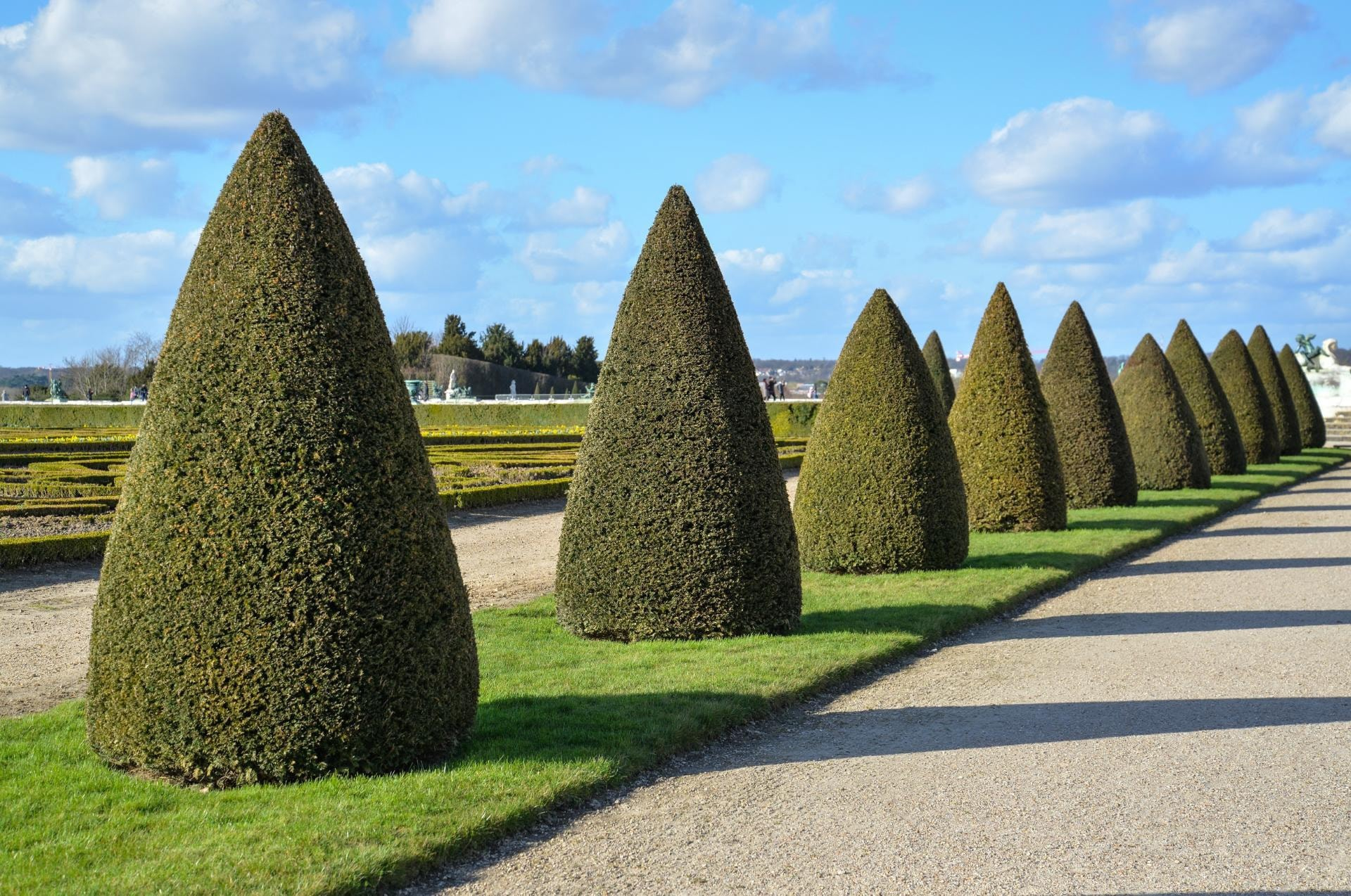
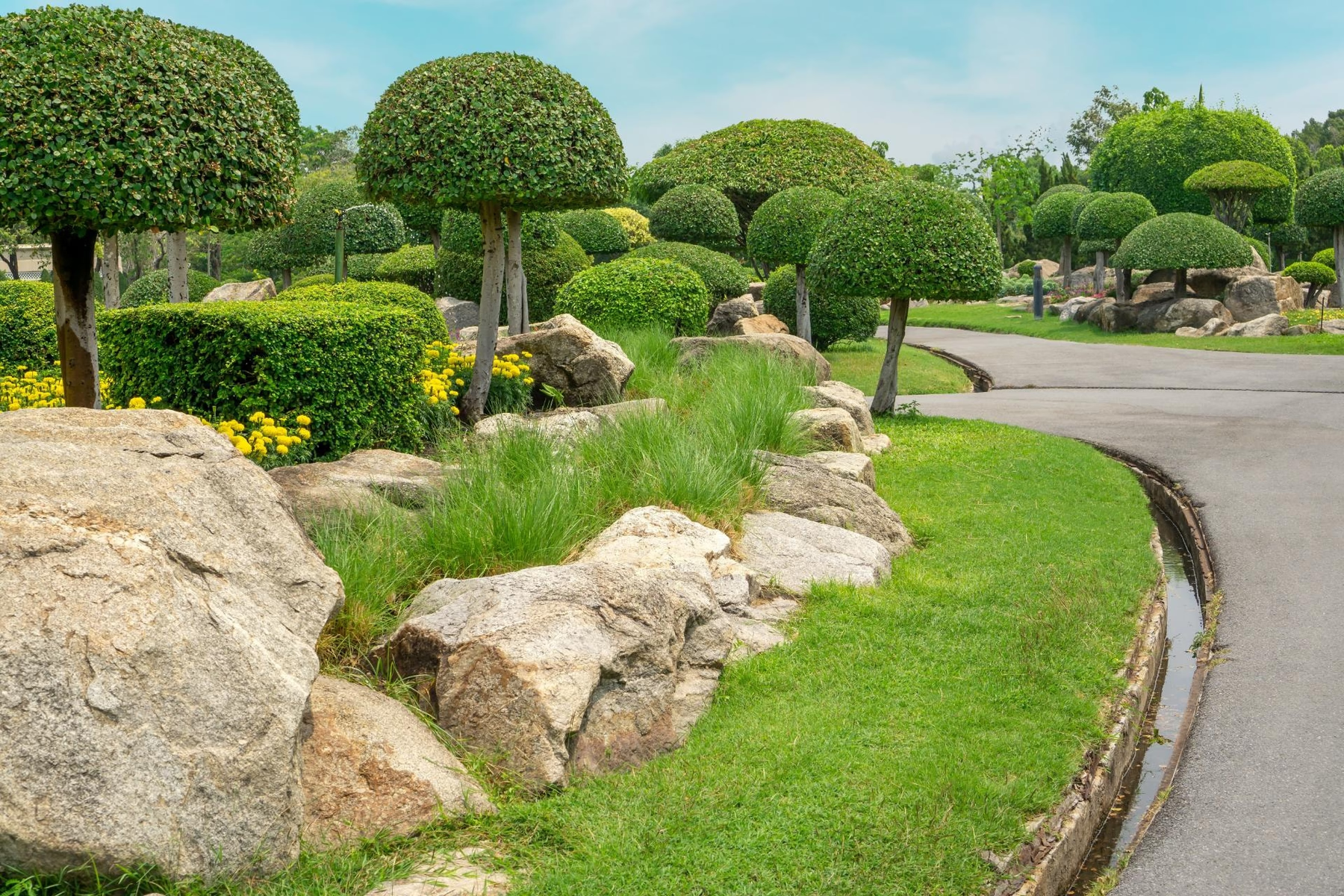
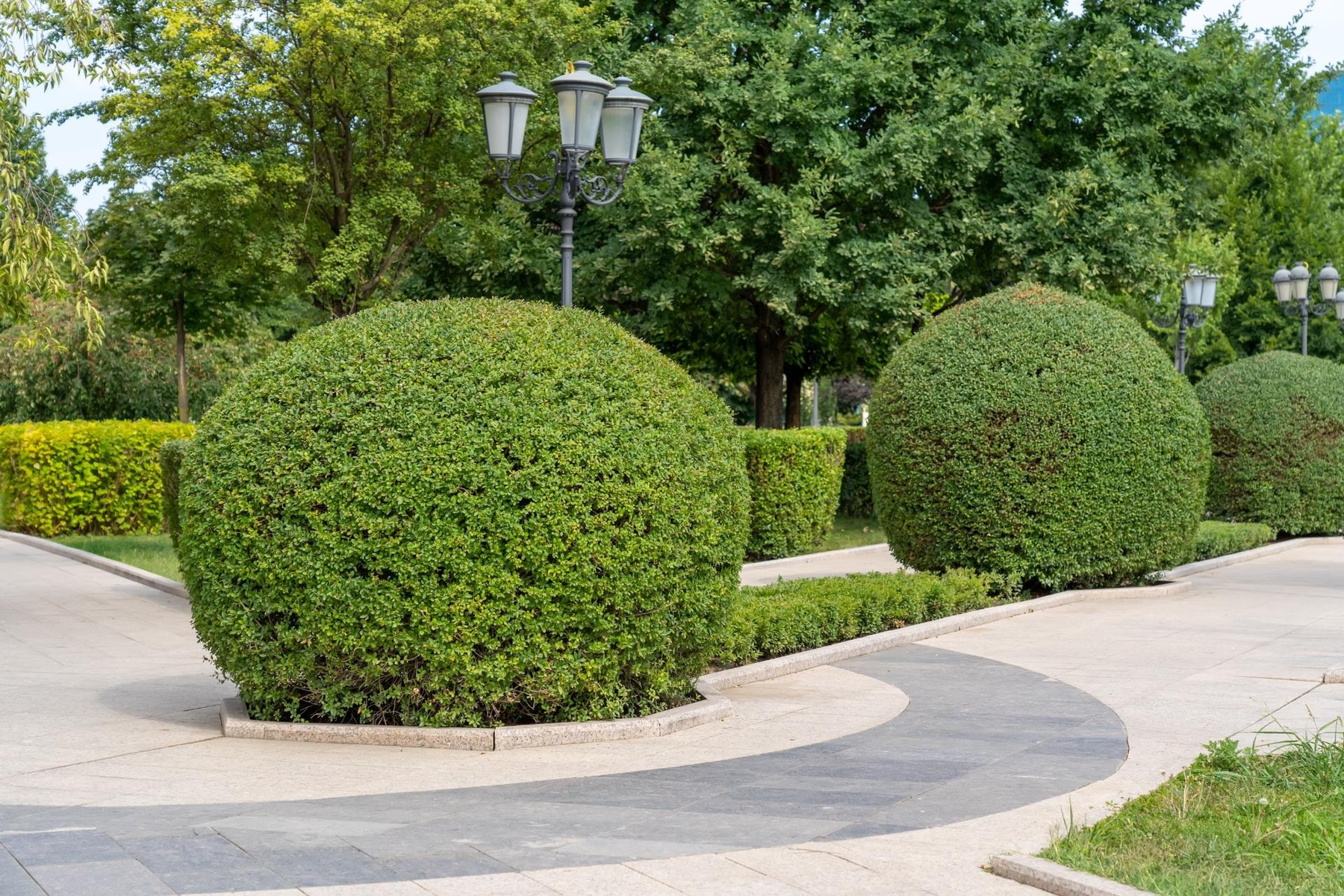
- An accent plant with a formal shape, such as a globe, cone or espalier.
Next, decide between a natural look and a formal one. Natural-form shaping works with the tree's own growth habit and needs attention less often. Formal shapes look crisp but need regular clipping, often several times a year, for as long as you want to keep them. Be honest about how much upkeep you want to pay for or do yourself. If you're not sure where the line falls between shaping and ordinary pruning, our post on what tree shaping is and how it differs from pruning is a good place to start.
It helps to walk the yard and note which trees and shrubs you want shaped, and to save a few photos of looks you like. A professional can then tell you which ideas suit your plants and which would mean fighting the plant's nature.
Get Ready for the Estimate
A little preparation makes the estimate visit faster and the quote more accurate. Before the visit, gather this information:
- A list of the trees and shrubs you want shaped, with a note on what bothers you about each one.
- Access details: gate widths, side yard space, overhead wires, and where a truck could park.
- Things under the trees: sprinkler heads, landscape lighting, fragile plants, play equipment or a septic area.
- Ownership questions: any tree on or near the property line, or one that hangs over from a neighbor's yard.
- HOA rules if you have them, since some associations have guidelines for front yard trees and hedges.
- Timing limits such as an upcoming event, a home sale or a pool project.
For a tree that straddles the property line or belongs to a neighbor, talk with your neighbor before any work is planned. It avoids disputes and often lets both sides be shaped at once so the tree stays balanced.
Questions to Ask a Tree Service
The answers to a few simple questions tell you a lot about how the work will be done.
- How much of the canopy will you remove this visit? For most mature trees, the answer should be no more than about a quarter of the live canopy in one season.
- Will you top the tree? The answer should be no. Topping is not shaping, and it weakens trees.
- Where will you make the cuts? Look for cuts outside the branch collar or back to a healthy side branch, not flush cuts or stubs.
- When is the right time to shape this species? Timing varies. Some trees are best shaped in winter, some after they flower.
- Does this tree need a permit? Native oaks and certain other trees are protected in many Sacramento-area cities and the county. A good tree service will tell you to check with your city or county first. Our post on tree permits and protected trees in Sacramento explains what to look into.
- Are you licensed and insured? Environmental Tree Service is licensed and insured, California contractor license 937241.
- What does cleanup include? Ask whether branches and debris are hauled away.
Comparing Estimates
If you collect more than one estimate, make sure you're comparing the same job. Check that each one names the same trees, describes the kind of work on each (thinning, reduction, raising or shearing), and says what happens to the debris. A quote that seems much lower sometimes covers less work or relies on heavier, faster cuts that cost the tree later.
What the First Visit Involves
The first visit is usually an assessment and estimate. Expect the arborist to walk the property with you, look at each tree's health and structure, and talk through your goals. This is when you'll hear what's realistic. A large shade tree can be thinned and balanced but not turned into a formal shape, and a conifer may not regrow if it's cut back past its green foliage.
The first shaping session typically sets the framework. Dead, broken, crossing and rubbing branches come out first. Then comes the structural work: reducing branches that stick out too far, thinning crowded areas and raising low limbs where needed. On a tree that needs a big change, this session only goes part of the way, because taking too much at once stresses the tree. See our tree shaping page for more on this service.
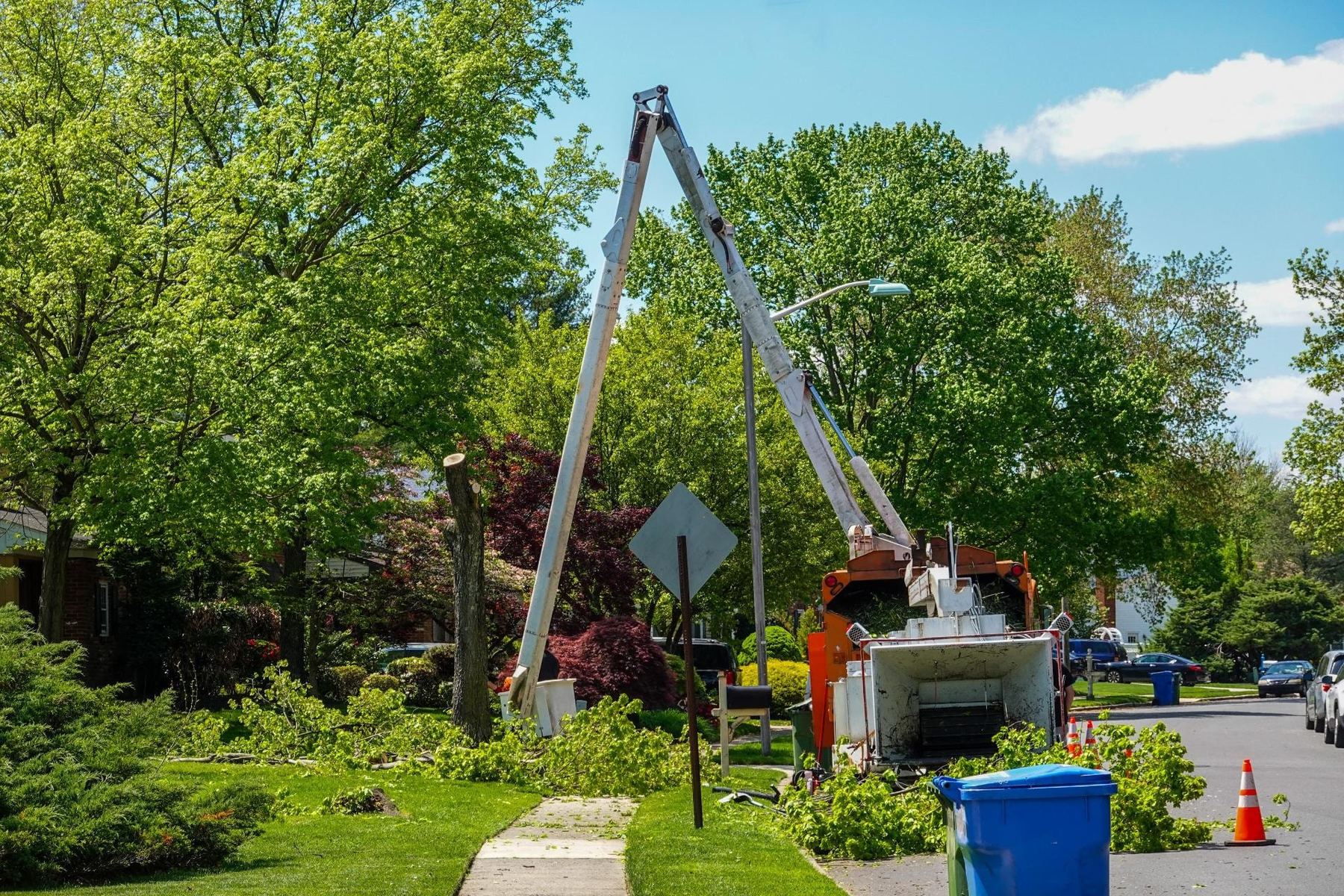
On the day of the work, move cars out of the driveway if the crew needs the space, keep kids and pets inside, and let the crew know about anything fragile in the work area. Larger jobs may involve a bucket truck or other equipment, so it helps to leave clear access.
Follow-Up Visits and How Long a Shape Takes
How quickly you get the finished look depends on the plant and the style.
- Natural-form shaping on a healthy tree often looks good right after the first session. If the tree needs a larger change, the work is spread over a few seasons.
- Balancing a lopsided tree takes several growing seasons, since the thin side has to grow in while the heavy side is reduced.
- New hedges and topiary take several years to fill out as the plant thickens with each light clipping.
- Trained styles such as espalier and pollarding take years to establish and need regular visits throughout.
Follow-up visits check how the tree responded, remove unwanted regrowth and continue the shape one step at a time.
What to Watch for Between Visits
You can learn a lot by looking at the tree over the next growing season. A few new shoots near the cuts are normal. A dense crop of upright sprouts along the branches, on the other hand, usually means too much was removed or the cuts were heading cuts in the wrong places. Well-placed cuts gradually form a rounded ring of new wood around their edges as the tree seals them over. Note anything that surprises you, such as dieback on a branch, leaves that scorch after the canopy was opened, or a hedge that isn't filling in, and mention it at the next visit so the plan can be adjusted.
Ongoing Maintenance
A shape lasts longer when the tree stays healthy. Between visits:
- Water deeply and less often during the long dry summers, especially in the clay soils common across the valley.
- Keep a layer of mulch over the root zone, pulled back from the trunk.
- Skip heavy fertilizer after shaping, which mostly pushes soft new growth you'll just be cutting off.
- Watch for dead branches, cracks or pests, and check trees after winter storms.
- Keep a regular schedule. Many trees do well with a check every year or two, while formal hedges need much more frequent clipping.
Our post on how often trees should be trimmed goes into scheduling by tree type and age. If you'd like the rest of your trees looked after at the same time, we also handle tree pruning for health and structure.
Schedule Your Free Estimate
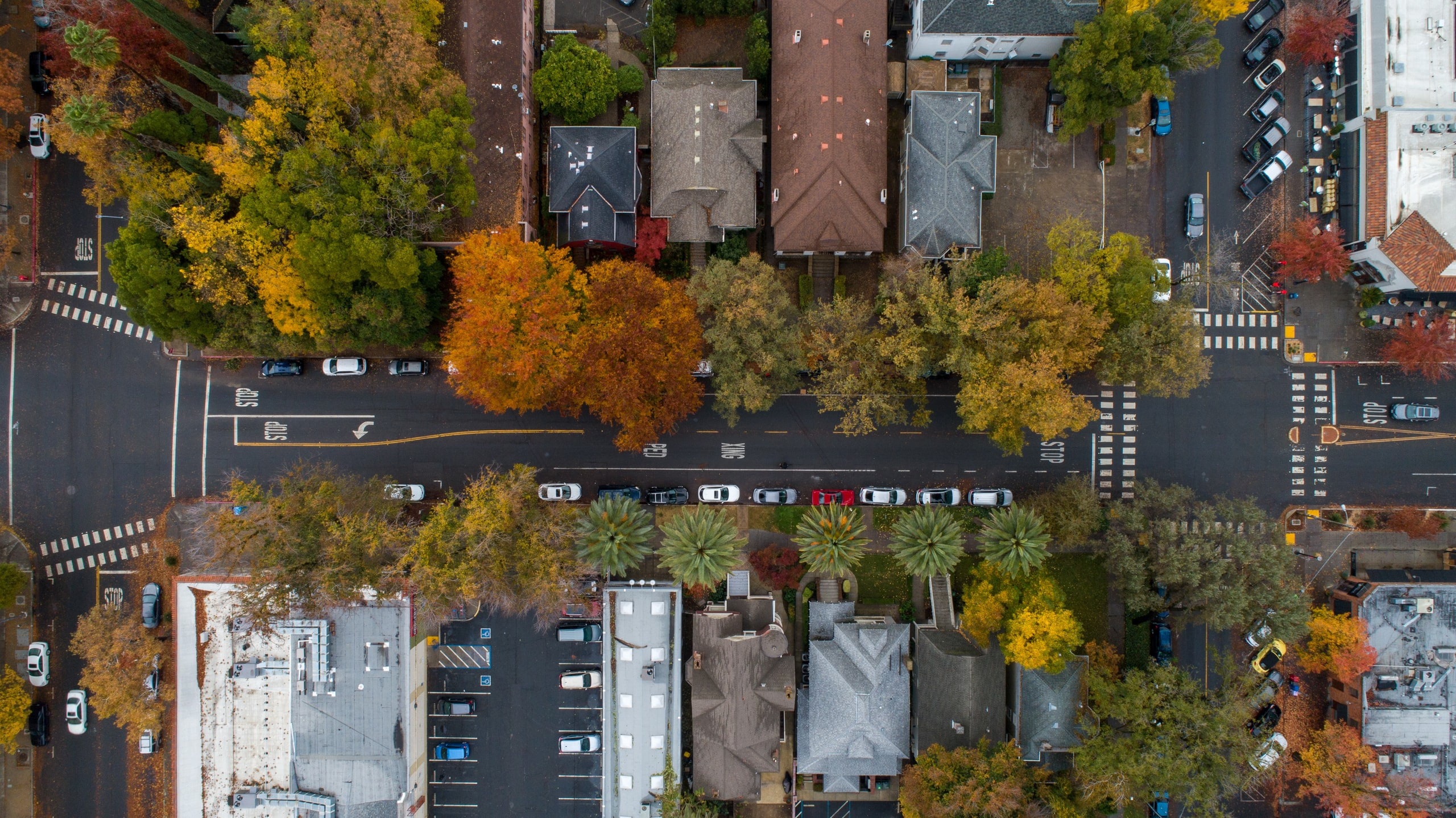
Environmental Tree Service plans and carries out shaping projects across Sacramento and nearby cities. Call (916) 870-8154 or send us a message to set up a visit.