Reducing storm risk in large trees is fall work, because Sacramento's winter storms bring soaked ground and strong gusts, and that's when weaknesses tend to show up. This post covers the tree features that raise the risk of a failure, what crown reduction can and can't do about them, the warning signs worth having checked, and what to do if a storm gets there first.
Key Points
- Winter combines water-heavy canopies, softened clay soil and gusty wind, which is why structural flaws tend to fail then.
- Crown reduction lowers risk from long, end-heavy limbs, weak forks and limbs over the house by shortening them back to side branches.
- Reduction can't fix decay in the trunk or problems in the roots. Those may call for cabling, monitoring or removal.
- Late summer through fall, before the rains, is the time to walk your property and have large trees checked.
- After a storm, stay away from downed lines and hanging limbs, and let a professional crew handle the cleanup.
Why Winter Is the Test
Most of the year, the valley is dry and calm enough that a tree with a structural flaw can go years without trouble. Winter changes the math. Rain loads the canopy with water weight, especially on evergreens like live oaks, redwoods and deodar cedars that keep their foliage. Clay soils hold water and soften around the roots. Then a storm front pushes wind through a crown that's heavier and less firmly anchored than it was in August.
That combination is why fall, before the first big storms, is a sensible time to have large trees near the house looked at. It's also easier to schedule planned work before a storm than after one, when many homeowners are calling at once.
Structural Risks That Reduction Can Help With
Crown reduction shortens limbs back to healthy side branches, which shrinks the canopy and takes weight off the ends. It's a good tool for these problems:
- Heavy end weight. When most of a limb's leaves sit in a clump at the tip, the limb acts like a long lever. Shortening it moves the weight closer to the trunk and reduces the leverage at the attachment.
- Long horizontal limbs. Big side limbs that reach far out over a yard or street carry a lot of load with little support underneath. Reducing their length lowers the strain on the joint where they meet the trunk.
- Codominant trunks. Two trunks of similar size growing from the same point often have bark pinched into the joint, which makes a weak union. Reducing one or both stems lowers the load on that joint. Sometimes the crew will recommend a cabling system as well, installed by a professional.
- Limbs over the house. Pulling limbs back from the roof reduces what could come down on it and keeps branches from rubbing shingles and gutters in the wind.
- Sail effect. A tall, full crown catches more wind. A modest reduction lowers the height and spread the wind has to work on.
The work has to stay within what the tree can handle. Most mature trees shouldn't lose more than about a quarter of their live canopy in one season, and a tree that needs a lot of weight taken out may have the work split across two seasons rather than done in one push before the rains.
Why Thinning Alone Isn't the Answer
A common request before winter is to "thin it out so the wind blows through." Light thinning can help a very dense crown, but for a long, heavy limb, shortening it usually does more than thinning it. Heavy thinning that strips the inside of the limbs, called lion-tailing, pushes weight out to the tips and can make failure more likely. If you want to know how the different types of pruning compare, see our post on crown thinning, raising, reduction and cleaning.
What Reduction Can't Prevent
Reduction helps with a tree's structure above ground. It won't fix everything, and it's worth being clear about the limits:
- It doesn't strengthen a trunk or limb that's already hollow or decayed.
- It doesn't address root problems, such as roots cut during trenching or construction, or rot at the base.
- It won't stop a whole tree from uprooting in saturated soil if the root system is compromised.
- It can't make a tree immune to an unusually severe storm. It lowers risk; it doesn't remove it.
- Done badly, as topping, it increases risk by creating weak sprouts and decay.
Cabling can add support to a weak fork, but it works alongside pruning rather than replacing it, and the hardware needs periodic inspection. When the problem is in the trunk or roots, the honest recommendation may be removal rather than pruning. Our guide to signs a tree should come down and when it can be saved covers how that call gets made.
Warning Signs to Have Checked
Walk around your large trees this fall and look for these signs. Any one of them is a reason to call for an inspection:
- A new lean, or soil that is cracked, heaved or lifted on one side of the base
- Mushrooms or other fungi growing on the trunk, root flare or the ground right around it
- Cracks or splits in the trunk, or a split running down from a fork
- Cavities, soft wood or sawdust-like material at the base or in limb joints
- Dead branches in the upper canopy, or hangers left from an earlier storm
- Large limbs that sag noticeably lower than they used to
- Peeling or missing bark in patches, or sap bleeding from wounds
Also think about what has changed around the tree. Trenching for a new sewer line, a driveway poured over the root zone, or a new patio or pool can damage roots in ways that don't show in the canopy for years. A tree that was topped in the past deserves a closer look too, since its regrowth is often weakly attached.
If a tree is near power lines, don't prune it or climb it yourself. Call SMUD or PG&E, or a qualified line-clearance contractor. And if you have native oaks, check with your city or county before heavy pruning, since many are protected.
A Fall Storm Prep Checklist
Work through this in late summer or early fall, before the first real storm:
- Walk the property and note every large tree within reach of the house, garage, driveway, fences and play areas.
- Check each one against the warning signs above, from the base up to the top of the crown. Binoculars help.
- Look up for dead branches and broken hangers, especially over the roof and walkways.
- Schedule an inspection for any tree that worries you, and ask what the crew would reduce, clean or cable, and why.
- Clear leaves and debris from gutters and drains so heavy rain doesn't pool around the base of trees near the house.
- Move vehicles and outdoor furniture out from under suspect limbs when a big storm is forecast.
For a year-round view of what to do when, see our seasonal tree care calendar for the Sacramento Valley.
What to Do After a Storm
If a limb or tree does come down, safety comes first:
- Stay well away from any downed or sagging power line, and anything touching one. Assume it's live and call the utility, or 911 if anyone is in danger.
- Don't walk under a tree with broken limbs still hanging in the canopy. They can drop without warning.
- Don't try to cut a limb that's bent, pinned or resting on a structure. Wood under tension can spring back violently when cut.
- Take photos of the damage before anything is moved, for your records and your insurance company.
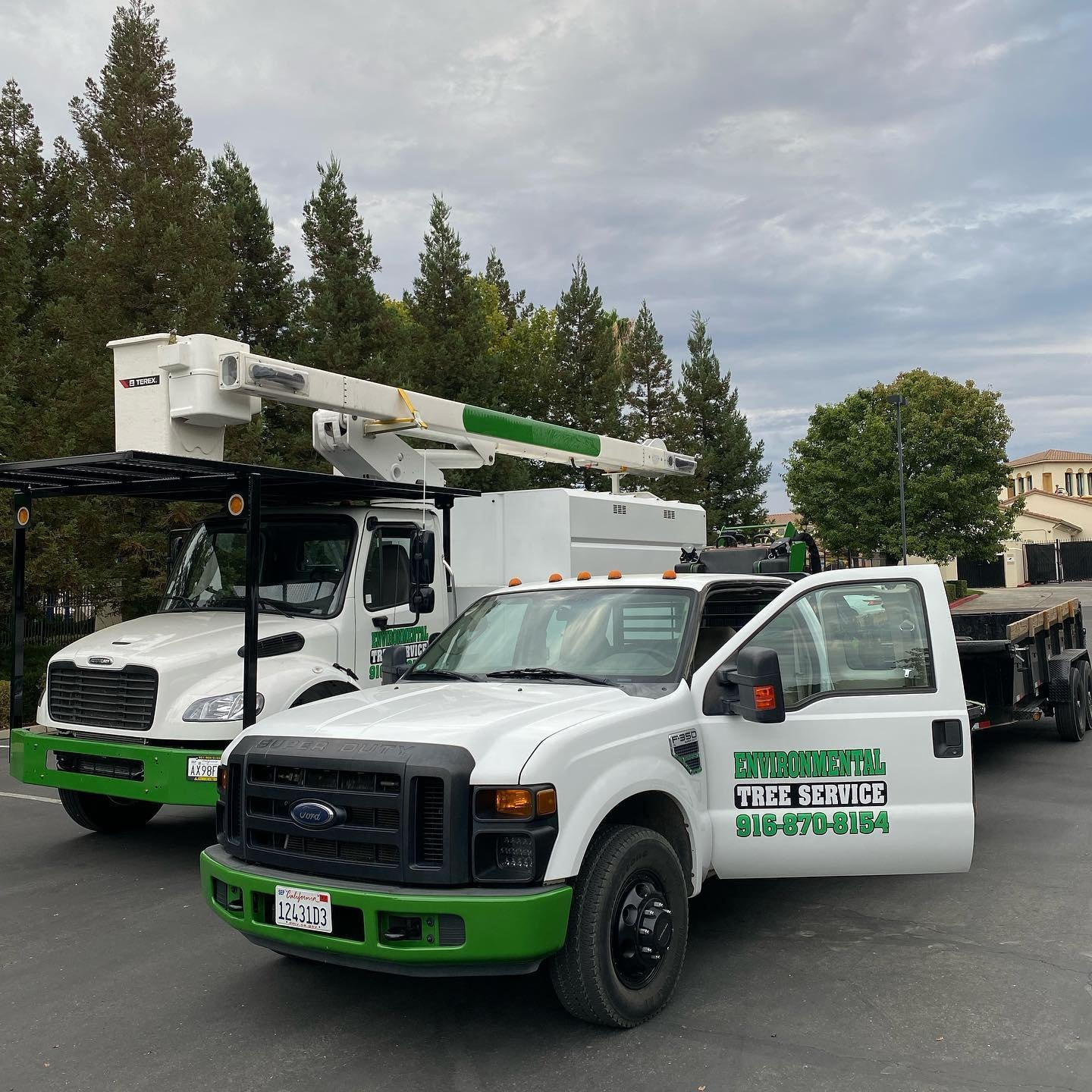
Environmental Tree Service offers 24/7 emergency storm damage service if a tree or limb comes down on your property.
Schedule a Pre-Storm Check
We can look over your large trees and recommend only the work that lowers real risk. Call (916) 870-8154 or request a free estimate.